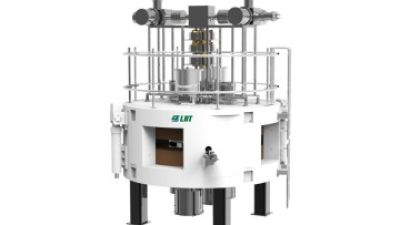
Picking out the right cyclotron equipment isn’t something to take lightly, especially if you’re running a medical or research facility. These machines actually play a pretty crucial role in fields like nuclear medicine and particle physics. Honestly, the options out there can feel pretty overwhelming at first — so it helps to really understand what each product offers. For example, taking a look at Cyclotron Lbt can give you a better idea of what's out there.
Of course, your decision depends on a bunch of factors — like what isotopes you need, how big your operation is, and your budget. Bigger cyclotrons can produce multiple isotopes, but they might also require more maintenance. On the flip side, smaller ones like Cyclotron Lbt can be just as effective for certain applications. The key is to carefully consider what your facility really needs and what your team can handle.
Getting advice from experts can make a huge difference here. Chatting with manufacturers or folks who've been in the game for a while can give you a lot of clarity. Also, don’t overlook how important reliability and track record are—they matter way more than you might think. And, of course, post-purchase support and service are just as important as the machine itself. Remember, buying cyclotron equipment isn’t just a one-and-done deal — it’s more like a journey, so make sure you choose wisely and think long-term.
Understanding Cyclotron Equipment: A Brief Overview
Cyclotron equipment plays a crucial role in a variety of applications, particularly in the fields of medicine and research. To better understand this technology, it is pertinent to explore the fundamental aspects of cyclotrons. Typically, these devices accelerate charged particles to high energies, such as 7 Mev Cyclotron systems, which are common in producing radioisotopes for medical diagnostics and treatment. The ability to generate isotopes efficiently can significantly impact patient care and treatment outcomes.
Recent industry reports suggest that the cyclotron market is projected to grow at a compound annual growth rate (CAGR) of around 6.5% through 2026. This growth is driven by increasing demand for positron emission tomography (PET) scans. With advancements in cyclotron technology, facilities are now able to produce isotopes in-house, reducing reliance on external suppliers and improving turnaround times. However, the initial investment in a 7 MeV Cyclotron can be substantial, raising questions about cost-effectiveness for smaller institutions.
Moreover, facility requirements for safety and maintenance are critical considerations. Many facilities struggle to adhere to regulatory standards, often facing challenges in staff training and equipment upkeep. As organizations navigate these complexities, investing in the right cyclotron equipment requires careful analysis of both technical specifications and operational needs. Understanding the nuances of cyclotron technology can empower institutions to make informed decisions that align with their long-term goals.
Types of Cyclotrons: Choosing Between Fixed and Variable Energy
When selecting cyclotron equipment, understanding the differences between fixed and variable energy options is crucial. Fixed-energy cyclotrons are designed to operate at a single energy level. They are often more straightforward and less expensive, making them ideal for specific applications. For instance, they are commonly utilized in medical settings for producing isotopes like fluorine-18. Research indicates that these types of machines can achieve 90% efficiency in isotope production. However, this efficiency comes with limitations regarding flexibility.
On the other hand, variable-energy cyclotrons offer adaptability, allowing users to switch energy levels as needed. This feature is particularly beneficial in research environments, where diverse particle energies might be required for different experiments. Some studies suggest that variable-energy cyclotrons can handle up to 40 different energy levels, enhancing their application potential significantly. Yet, the complexity and cost associated with these machines can pose challenges for smaller facilities. Evaluating these factors is essential before making a decision. Both options present unique advantages and disadvantages, reflecting the diverse needs of users in the cyclotron community.
How to Choose the Right Cyclotron Equipment for Your Needs?
| Type of Cyclotron |
Energy Range (MeV) |
Applications |
Cost (USD) |
Maintenance Level |
| Fixed Energy Cyclotron |
10 - 30 |
Radioactive Isotope Production |
500,000 - 1,500,000 |
Low |
| Variable Energy Cyclotron |
15 - 70 |
Radiopharmaceutical Development |
1,000,000 - 3,000,000 |
Medium |
| High Energy Cyclotron |
50 - 150 |
Nuclear Physics Research |
3,000,000 - 5,000,000 |
High |
| Microtron |
1 - 10 |
Educational and Small-Scale Research |
50,000 - 200,000 |
Very Low |
Key Specifications to Consider in Cyclotron Selection
When selecting cyclotron equipment, several key specifications are crucial. First, consider the energy range your applications require. Cyclotrons vary in output energy, which affects the types of isotopes produced. For instance, a lower energy cyclotron may suffice for certain medical applications but fall short for advanced research needs. Assessing this energy requirement can radically influence performance and efficiency.
Another significant factor is the size and weight of the cyclotron. Larger models often deliver higher outputs but may require extensive infrastructure. Space constraints in your facility may limit options. Evaluate your lab's available space carefully to determine what fits without compromising function. Additionally, the cooling systems and ventilation requirements can influence the choice of cyclotron. Proper heat management is essential to maintain optimal performance and safeguard longevity.
It is also critical to examine the system's automation capabilities. Advanced automation can improve operation efficiency. However, this might increase complexity, posing a potential learning curve for staff. Balance needs for technological advancement with operational simplicity. Take time to reflect on the training and support necessary for optimal use. This analysis will guide you toward making an informed, reliable decision and ensure that the selected cyclotron meets all operational demands efficiently.
Comparing Key Specifications in Cyclotron Equipment
Assessing the Size and Space Requirements for Cyclotrons
When assessing space requirements for cyclotrons, several factors come into play. The size of a cyclotron varies significantly based on its intended use. A typical clinical cyclotron occupies approximately 150-200 square meters. This size includes the machine itself and additional space for necessary equipment, like cooling systems. Reports indicate that over 70% of facilities underestimate the required footprint. This mistake can lead to logistical complications post-installation.
Consideration for ceiling height is also crucial. Many cyclotrons are around three meters tall, necessitating adequate clearance. Facilities must account for maintenance space around the unit. Experts recommend at least one meter of clearance on all sides. When looking at the placement, issues like radiation shielding should not be overlooked. Reports suggest that poorly planned layouts can lead to safety hazards, especially in densely populated centers.
Strategically planning the space for a cyclotron is essential. A common oversight is failing to include areas for patient flow and staff access. A well-designed layout can enhance operational efficiency. In an environment where 60% of cyclotron facilities face inefficiencies, getting the layout right could save time and resources. Integrating the right technology and considering the "Pet + Cyclotron" approach can optimize space utilization for better patient outcomes.
Evaluating Safety Features and Regulatory Compliance
When evaluating safety features for cyclotron equipment, one must consider various aspects. A leading principle is the equipment's ability to protect operators and the environment. Inspections of radiation shielding are crucial. Ensure the materials used in the cyclotron provide adequate protection. Inadequate shielding could lead to harmful exposure.
Regulatory compliance is another key factor. Research federal and local regulations governing cyclotron operations. Each region may have different standards. Knowing these regulations fosters a safer working environment. Always keep documentation readily available for inspections.
User training is often overlooked but essential. Proper training can minimize risks. Teach staff to handle emergencies effectively. Reflect on previous accidents and learn from them. Continuous education in safety practices can be invaluable. Selecting the right Proton Cyclotron is not just about specifications; it’s about maintaining a safe and compliant operational framework.
Budget Considerations: Cost vs. Value in Cyclotron Purchases
When considering the purchase of cyclotron equipment, understanding cost versus value is essential. Budget constraints often lead to tough decisions. It’s vital not to sacrifice quality for a cheaper price. Higher initial costs can lead to better performance and reliability. Investing wisely can save money on maintenance and repairs over time.
Assess your specific needs. Do you require high output or versatility? The right equipment should align with your intended applications. A thorough comparison of features against requirements can guide your decision. It’s easy to get tempted by low prices, but features can vary significantly. Evaluate the long-term benefits of each option.
Remember to factor in ongoing expenses like operational costs and energy consumption. Ask critical questions about efficiency and potential return on investment. Consider this: cheaper equipment may not meet your needs over time, leading to costly upgrades. Reflect on how each piece of equipment aligns with your goals. Familiarize yourself with the implications of your choices, both immediate and future.
Consulting Experts: When to Seek Professional Guidance
When selecting cyclotron equipment, expert guidance can be invaluable. Consulting with professionals can help clarify your unique requirements. Different applications demand specific features and powers, such as those offered by an 11 Mev Cyclotron. Knowing when to seek expert insight is crucial.
Professionals bring years of experience. They understand the nuances of cyclotron technology and can advise on options that align with your needs. They consider factors like facility space, budget constraints, and intended use. This tailored approach can save time and resources.
Consider reaching out to specialists when you feel overwhelmed. You may lack technical knowledge or feel unsure about what specifications to prioritize. Engaging with doctors or physicists can also provide clarity. Their perspectives elevate the decision-making process, ensuring that your investment meets long-term goals. Balancing your needs with their expertise often leads to smarter choices in cyclotron equipment.
Maximizing Your Audio Experience: A Comprehensive Review of the Cyclotron LB-30 Speaker System
In the realm of audio technology, the integration of high-performance features has become essential for maximizing sound experiences. The Cyclotron LB-30 Speaker System stands out as a revolutionary product designed to elevate audio quality through advanced engineering principles. At its core, the LB-30 series boasts a sophisticated acoustic environment, ensuring that users enjoy rich and immersive soundscapes, perfect for both casual listeners and serious audiophiles.
One of the standout aspects of the LB-30 system is its high-current multimode functionality. This feature enhances the efficiency of sound production, allowing it to deliver a full spectrum of audio frequencies with remarkable clarity. Additionally, the multi-particle compatibility design ensures seamless integration with various audio sources, enabling users to enjoy diverse media with consistent quality. The continuous adjustable energy feature allows for precise control over audio output, making it easy to tailor the listening experience to individual preferences, whether for a lively party atmosphere or a more subdued listening session.
Overall, the Cyclotron LB-30 Speaker System exemplifies a commitment to innovation in audio technology. By focusing on high stability and efficiency, it maximizes the audio experience, providing users with exceptional sound quality and versatility across various applications. With these advancements, the LB-30 series represents a significant leap forward in speaker system design, making it an appealing option for anyone looking to enhance their auditory environment.
FAQS
: Cyclotrons are primarily used in medicine and research to accelerate charged particles and produce radioisotopes.
A typical clinical cyclotron requires 150-200 square meters of space, including equipment and safety areas.
Over 70% of facilities underestimate the space required, causing logistical complications after installation.
Cyclotrons are around three meters tall, so adequate clearance is necessary for maintenance and safety.
Effective layouts should include areas for patient flow and staff access to enhance operational efficiency.
Important safety aspects include radiation shielding quality and compliance with regional regulations to protect users.
Proper user training minimizes risks and prepares staff for emergencies, enhancing overall safety.
Research local regulations, keep documentation ready for inspections, and continuously educate staff on compliance.
Advancements allow facilities to produce isotopes in-house, reducing external dependence and improving turnaround times.
The initial investment is often substantial, leading smaller institutions to question cost-effectiveness and resource allocation.
Conclusion
Choosing the right cyclotron equipment requires a comprehensive understanding of the various types of cyclotrons available, notably fixed and variable energy models. Potential buyers should consider essential specifications, including performance capabilities and operational parameters. Adequate space for installation and adherence to safety standards are crucial factors in decision-making.
Moreover, budget considerations play a significant role; it's important to balance cost with the value offered by the cyclotron equipment. Seeking professional guidance can further assist in navigating complexities and ensuring compliance with regulations. By thoroughly assessing these aspects, users can make informed choices that align with their specific needs in cyclotron applications.