When you're choosing an FDG production system, it really all comes down to understanding what your imaging service actually needs — not just flipping through a product brochure. The system should match your expected workload, the facilities you have, and the skills of your team who'll be running it. For instance, a busy department might care most about consistent, repeatable runs and knowing they'll get results quickly. On the other hand, a smaller site could be more focused on simple workflows and quick tech support. Little details can make a big difference.
So, it's super important to compare different systems based on practical needs. Take a close look at things like batch capacity, how long synthesis takes, automation features, quality control steps, maintenance requirements, and whether there are validated procedures available. Make sure the setup you're considering fits with your existing space, utilities, and safety measures related to radiation. Also, it's a good idea — no, a must — to have qualified professionals review your local regulations and the specifics of your site before making a purchase. Sure, reading a spec sheet helps, but it doesn’t give you the full picture of how the system works during an actual shift.
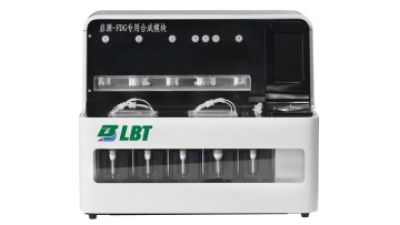
Don’t hesitate to ask suppliers to walk you through the Fdg-Dedicated Synthesis Module in plain language. Find out what tasks are automated and which steps still need some operator input. Also, ask how faults are flagged and what kind of support is available if something goes wrong during a run. The answers should be specific and something you can verify — not just vague reassurances.
And don’t forget to consider training, documentation, service access, and long-term costs. Whenever possible, try to see a demo or chat with users who are working in a setup similar to yours. Their real-world insights can reveal practical issues that brochures just can’t cover. Honestly, no checklist will make this decision completely simple, and your priorities might shift once you’ve got the system up and running. But doing a transparent comparison really helps your team pick a system that truly fits your workflow. It supports consistent operation and can be maintained properly over the long haul.
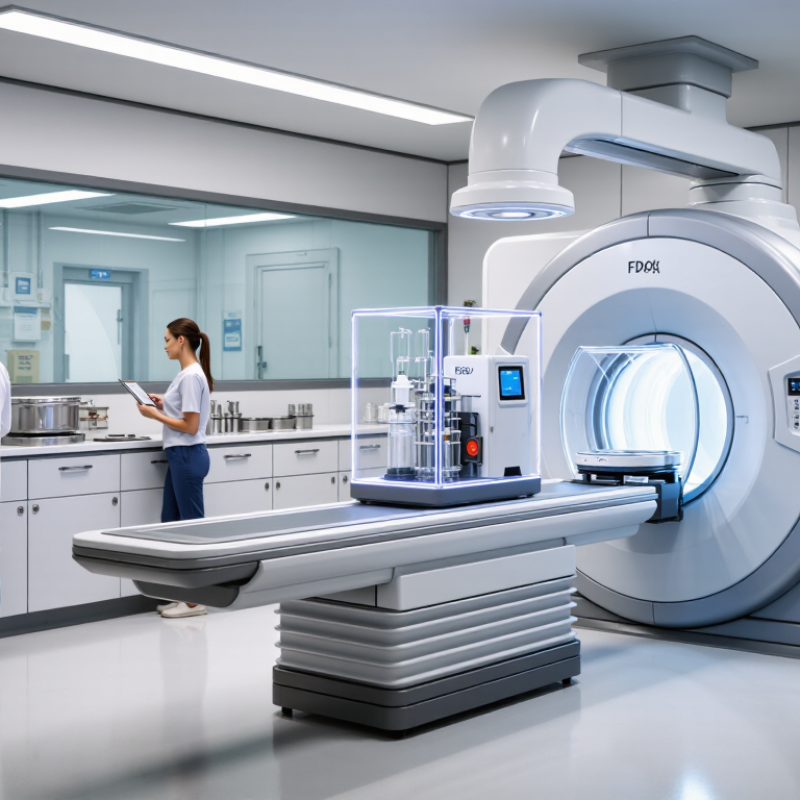
An FDG production system is more than a synthesis module. It combines shielded containment, automated processing, reagent supplies, utilities, and quality-control equipment. Each part affects the next. A synthesis module runs a programmed process, while a hot cell provides shielding and a controlled workspace. Single-use cassettes and prepared reagents help make routine handling more consistent. Reliable temperature control, power, and ventilation also matter.
Quality control is a separate but connected component. Instruments and validated procedures help teams assess identity, purity, and other release criteria before clinical use. The exact configuration depends on facility needs, staffing, and applicable standards. Fdg Isotope production also relies on clear records, routine maintenance, and staff training. A neat equipment diagram can hide practical issues, such as awkward access for servicing or limited room for supplies. Those details deserve attention.
Tips: Map the full workflow before selecting equipment. Check service access, documentation, and compatibility between components. Ask how faults are detected and recorded. Small details matter. Revisit assumptions with qualified personnel; the ideal setup on paper may need adjustment in the actual room.
Choosing an FDG production system begins with the patients your facility expects to serve. Estimate daily scan volume, appointment patterns, and seasonal peaks. Include the distance between production and imaging rooms, or between your site and an external supplier. Fluorine-18 has a half-life of about 109.77 minutes, according to the NIST Chemistry WebBook. Every minute matters. Transport delays and late appointments can reduce usable activity.
The EANM procedure guideline for FDG PET/CT tumour imaging uses an uptake period of about 60 minutes as a standard clinical framework. This helps translate appointment schedules into production and delivery windows. Map the actual sequence: synthesis, quality control, dispatch, patient preparation, and injection. Check how many doses must arrive together, and whether your service needs early-morning or staggered deliveries. A busy scanner does not automatically justify in-house production.
Compare expected demand with realistic batch capacity, staffing, maintenance, and quality-control time. Ask suppliers or technical teams for documented delivery performance and contingency procedures, not only nominal output. Model a delayed batch and a quieter-than-expected day. A spreadsheet can still miss a real-world bottleneck: one lift, one loading bay, or one late patient. That detail matters.
Sources: NIST Chemistry WebBook; EANM FDG PET/CT procedure guideline for tumour imaging.
Assessing Cyclotron, Synthesis, and Quality Control Needs
Start with the daily patient schedule, not the equipment catalogue. The IAEA’s Cyclotron Produced Radionuclides: Physical Characteristics and Production Methods lists fluorine-18’s half-life as about 109.8 minutes. That clock makes production timing, synthesis duration, and delivery distance practical design factors. A nearby clinic may value flexible, smaller batches. A regional supplier may need higher output and dependable distribution. Neither setup wins automatically. Map real appointment times, expected dose demand, and downtime coverage before sizing a cyclotron.
The synthesis module should match the chosen target activity and the facility’s staffing and maintenance capacity. Review batch records, failed-run recovery, and how easily operators can spot a clogged line or unusual pressure reading. Small details matter.
Quality control also needs room in the workflow. The European Pharmacopoeia monograph for fludeoxyglucose (18F) specifies radiochemical purity of at least 95%; release testing also considers identity, radionuclidic purity, and other product attributes. Plan for validated test methods, trained reviewers, and delays when results need investigation. A fast system is not useful if release checks become the bottleneck.
I would challenge one assumption: projected demand often looks cleaner on a spreadsheet than it does during staff absences or scanner maintenance. Build in a modest buffer, then revisit it with actual production and QC records.
Choosing an FDG production system starts with actual demand, not the largest capacity on a specification sheet. Estimate daily doses, delivery windows, and time needed for maintenance. A system sized for peak demand may sit underused on quieter days. Too little capacity can create pressure when production or delivery is delayed. Match output to your facility’s schedule and growth plans.
Automation can reduce repetitive handling and help make production steps more consistent. Still, more automation does not remove the need for trained staff, clear procedures, and routine checks. With a Cyclotron Fdg setup, compare how easily operators can monitor key process stages and respond to alarms. Reliability also depends on service access, spare parts, and documented maintenance. Ask how downtime is tracked; a polished demonstration may not reflect a difficult week. That deserves a closer look.
Tips: Compare usable output, not just rated capacity. Ask for maintenance and downtime records. Check whether staff can complete routine tasks without unnecessary steps. Walk through a typical production day, including a failed check or delayed run. The small details matter.
Compare batch capacity, workflow automation, and operational availability when evaluating system configurations.
Illustrative planning values only—not measured vendor specifications. Actual capacity and availability depend on the synthesis process, facility, maintenance practices, and operating conditions.
Choosing an FDG production system requires more than comparing output capacity. Review applicable local regulations, licensing conditions, and quality requirements with qualified regulatory and radiation-safety professionals. Requirements differ by jurisdiction and facility. Ask how the system supports documented checks, equipment qualification, maintenance records, and traceable production data. For Fdg Radiopharmaceutical production, reliable records help demonstrate that procedures were followed and deviations were reviewed. Clear documentation matters.
Radiation safety should be assessed in the actual work area, not only in a supplier’s specification sheet. Examine shielding design, access controls, interlocks, warning indicators, and provisions for routine radiation surveys. Staff training, personal dosimetry, maintenance planning, and clear emergency procedures also deserve careful review. Small details matter. A door interlock that is awkward to test may be overlooked during busy shifts. That deserves reflection. Ask who verifies safety features, how often checks occur, and where results are recorded. The right system should fit the facility’s workflow while supporting independent review by its radiation-safety team. No single feature replaces competent oversight.
| Evaluation Dimension | What a Suitable System Should Support | Evidence to Review | Radiation Safety and Compliance Considerations |
|---|---|---|---|
| Production approach | For routine fluorodeoxyglucose (FDG) production, a cyclotron-based process commonly produces fluorine-18 from oxygen-18-enriched water, followed by synthesis and formulation. | Process flow diagram; validated production recipe; defined starting materials, intermediates, and final product specifications. | Confirm the facility’s authorization covers the radionuclide, production activities, and intended distribution or use. Requirements depend on jurisdiction. |
| Regulatory framework | The quality system should align with applicable radiopharmaceutical manufacturing requirements and the site’s authorized operating scope. | Regulatory applicability assessment; current licenses or permits; inspection history; procedures for change control, deviations, and corrective actions. | Examples include 21 CFR Part 212 for PET drug current good manufacturing practice in the United States, and EU GMP Annex 3 for radiopharmaceuticals. Local rules take precedence. |
| Automated synthesis and process control | Automated, recipe-controlled synthesis can help standardize repeatable steps, record process parameters, and reduce direct handling of radioactive materials. | Equipment qualification; validated software and recipes; batch records; alarm handling; maintenance and calibration records. | Assess shielding, interlocks, remote operation, fault recovery, and the consequences of a power or equipment failure. Automation does not replace operator training or process validation. |
| Shielding and facility layout | Shielding and room design should be engineered for the site’s maximum planned activity, workload, occupancy, and adjacent-area use. | Shielding design calculations; room survey results; area-monitoring plan; controlled-area layout and access controls. | Fluorine-18 positron annihilation produces two 511 keV photons. Shielding thickness should be calculated for the specific facility; there is no single thickness suitable for every installation. |
| Containment and contamination control | Use appropriately shielded, maintainable enclosures and defined procedures for aseptic operations, surface monitoring, and contamination response. | Enclosure qualification; cleaning and disinfection records; environmental and surface-monitoring results; documented spill procedures. | Design work practices to limit external exposure and prevent radioactive contamination. Verify that monitoring instruments are suitable for the radiation fields and maintained in calibration. |
| Product quality control | The release program should include applicable tests for identity, strength, radiochemical purity, pH, appearance, and other registered or compendial specifications. | Approved specifications; validated or qualified analytical methods; representative batch records; documented review of out-of-specification results. | Include radionuclidic identity or purity and residual-solvent testing where required by the applicable specification. Acceptance criteria are product- and jurisdiction-specific. |
| Sterility and endotoxin assurance | Manufacturing controls should protect the product from microbial contamination and include bacterial endotoxin testing. | Aseptic-process qualification; sterilizing-filter validation and integrity testing; environmental monitoring; endotoxin and sterility test procedures. | Sterility testing takes time; any release before final sterility results must be specifically permitted by applicable requirements and supported by validated controls and procedures. |
| Radiation monitoring and personnel protection | Provide appropriate personal dosimetry, workplace monitoring, training, and procedures for minimizing occupational exposure. | Dosimetry records; instrument calibration records; radiation-protection procedures; training records; investigation and follow-up of unusual readings. | Apply the relevant local dose limits and ALARA principles. Monitoring needs should reflect the tasks performed, expected exposure, and facility risk assessment. |
| Waste and radioactive effluents | Provide controlled handling, segregation, storage, and disposal routes for radioactive liquids, solids, and contaminated consumables. | Waste procedures; inventory and decay-in-storage records where applicable; disposal authorizations; spill and effluent records. | Fluorine-18 has a physical half-life of approximately 109.8 minutes, but decay-in-storage and release practices must follow applicable authorization and local rules. |
| Emergency readiness and maintainability | The system should support safe shutdown, access control, fault reporting, routine maintenance, and recovery after equipment or utility failures. | Emergency procedures; service and preventive-maintenance records; spare-parts strategy; alarm and interlock test results; staff drill records. | Plans should address spills, contamination, loss of shielding or ventilation, and unexpected equipment failure, with clear escalation and notification responsibilities. |
| Overall selection decision | Choose a system that fits the required production capacity, product specifications, facility design, staffing, and intended operating schedule. | Documented gap assessment covering regulatory, quality, engineering, radiation-safety, installation, qualification, and lifecycle costs. | Obtain review from qualified radiation-safety, quality, engineering, and regulatory personnel before purchase or installation. Vendor claims alone do not establish compliance. |
Note: This table is a general evaluation aid, not a substitute for current regulations, an approved product specification, or a facility-specific radiation-safety and quality assessment.
Choosing an FDG production system is a capital decision and a route-planning decision. A low purchase price can hide costs for staffing, maintenance, shielding, utilities, quality control, and downtime. Small sites differ. Estimate weekday demand, then test the plan against peak days and service outages. Include the cost of trained operators and routine quality checks, not just equipment.
IAEA Technical Reports Series No. 468 gives fluorine-18 a physical half-life of 109.8 minutes. After about 3 hours and 40 minutes, roughly one-quarter of the starting activity remains, before processing losses. Delivery radius and batch timing therefore affect the budget.
A hospital serving a compact local network may need less capacity than a regional supplier. IAEA Technical Reports Series No. 471 covers facility planning, including workflow and supporting infrastructure; cost these alongside production equipment. Compare projected demand with realistic operating hours, available staff, and service support. Do not assume growth arrives on schedule. It may not. Leave space and budget for upgrades, but avoid paying now for capacity that may sit idle.
Nuclear imaging is gaining importance as healthcare systems place greater emphasis on earlier diagnosis, personalized treatment planning, and precise monitoring of disease. Grand View Research’s nuclear medicine market report points to a field shaped by advances in imaging technology, broader clinical applications, and continued demand for dependable radiopharmaceutical production. As imaging services expand, providers are also looking for workflows that support consistent quality while making effective use of staff time and facility resources.
Automated, FDG-dedicated synthesis systems can help address these operational needs. A modular design paired with integrated programmable logic control can coordinate key steps in the production workflow, supporting efficient synthesis of fluorodeoxyglucose under compliant conditions. Industry-leading product purity and an integrated workflow are important considerations for facilities seeking reliable output, while automation can reduce hands-on labor and shorten processing time. These capabilities align with the wider direction of nuclear medicine: combining robust production processes with imaging services that can adapt to growing clinical demand. As the market develops, dependable systems for radiopharmaceutical preparation will remain a practical part of supporting access to nuclear imaging.
Estimate daily scans, appointment times, seasonal peaks, and delivery distances. A busy scanner alone does not justify in-house production.
Fluorine-18 has a half-life of about 109.8 minutes. Every delay reduces usable activity. Even a slow lift can matter.
Map synthesis, quality checks, dispatch, patient preparation, and injection. An uptake period of about 60 minutes can help shape delivery windows.
No. Compare expected demand with staffing, maintenance, batch capacity, and delivery reliability. Neither local production nor external supply wins automatically.
Check target activity, batch records, maintenance needs, and recovery after failed runs. Operators should notice a clogged line or unusual pressure quickly.
Testing considers identity, radionuclidic purity, and other product attributes. Radiochemical purity should be at least 95%. Results may need investigation.
Model delayed batches and quieter days. Check practical details, such as one loading bay, limited staff, or scanner maintenance. Spreadsheets miss things.
Build in a modest buffer, then review real production and quality-control records. I might still underestimate staff absences; the schedule can look too neat.
Choosing the right FDG production system begins with understanding how its main components work together, from the cyclotron and synthesis equipment to quality control instruments. A facility should first define its expected production volume, operating schedule, and supply needs. These requirements help determine the system’s appropriate capacity and whether it can support current demand without creating unnecessary complexity or cost.
Next, compare options for automation, reliability, maintenance, and workflow efficiency. Consider how easily the system can be integrated into the facility and whether its quality control processes support consistent production. Regulatory compliance and radiation safety should also be central to the evaluation, including suitable procedures, training, and facility design. Finally, balance the initial budget with ongoing operating costs, future growth, and service needs. A well-matched FDG production system should meet present requirements while remaining practical, dependable, and adaptable over the long term.