Picking out a cyclotron facility isn’t just about comparing beam energy or the sticker price. It’s really a practical decision—thinking about safety, reliability, the kind of isotopes you need, and how well it can support you long-term in clinical settings.
A solid Medical Cyclotron Facility should align with your production goals, target materials, and delivery deadlines. You’ll want to check out things like beam current, target capacity, shielding design, the setup of radiochemistry rooms, and quality control gadgets. Don’t forget to ask, how often does the system run smoothly without stops? Missing just one production cycle can really mess things up—not just for patients, but for research groups and nearby hospitals too. Little details count—review maintenance logs, spare parts availability, operator training programs, and emergency protocols. And make sure to talk to current users, not just sales reps.
Dr. Peter Schmor, a well-known accelerator expert linked with TRIUMF, once pointed out, “Reliability is the key to any accelerator facility.” Honestly, that’s a rule of thumb you should keep in mind during any comparison. A facility might look amazing on paper, with all those fancy specs, but if their service team is slow or unresponsive, it can tank performance around the clock. When you’re evaluating options, consider names like IBA, Best Theratronics, and GE HealthCare—but always compare each proposal against actual past performance data, not just marketing hype.
Cost can be tricky, too. Often, a lower upfront price hides extra expenses—complex installation, staffing needs, or future upgrade costs. I also recommend giving some thought to how much weight you give to local expertise and transport logistics—those are easy to underestimate but make a huge difference. Honestly, no checklist can cover everything perfectly.
This handy guide, titled “10 Tips to Choose the Best Cyclotron Facility,” walks you through technical readiness, compliance with regulations, operational reliability, and overall ownership costs. The goal is to help decision-makers ask smarter questions before signing on the dotted line. Remember, the biggest or most expensive facility isn’t always the best one. The real winner is the one that can deliver safely, reliably, and transparently—day in and day out.

Define Your Cyclotron and Radiopharmaceutical Requirements
A cyclotron facility should fit the radionuclides, production volumes, and delivery distances your program actually needs. The IAEA’s LiveChart of Nuclides lists fluorine-18’s half-life as about 110 minutes, while carbon-11’s is about 20 minutes. Those differences shape practical scheduling. A nearby imaging center may support short-lived products; a distant one may not. Model travel time, synthesis, quality-control testing, and likely delays before choosing beam energy or target capacity. A spreadsheet helps. It will not predict every disruption.
Tip: List each intended radiopharmaceutical, weekly dose demand, peak-day demand, and required delivery window. Then ask whether the facility can support the target materials, synthesis modules, hot cells, and validated quality-control methods involved. The IAEA’s technical guidance on cyclotron-produced radionuclides emphasizes matching production methods to radionuclide properties and intended applications. Translate that into specifics: ask for realistic batch yields, maintenance downtime, staffing coverage, and contingency plans—not only maximum output. Maximums can be seductive.
Also define your development horizon. A facility serving routine fluorine-18 production may need different capabilities from one supporting several research pathways. Review the applicable pharmacopeial and national requirements with qualified radiopharmacy and radiation-safety professionals. Compare vendors’ figures using the same assumptions, including targetry, synthesis losses, and release criteria. Small omissions matter. My own planning instinct would be to leave room for demand growth, but not to buy capacity based on optimistic forecasts alone. IAEA technical reports and radionuclide data provide a sound starting point, not a substitute for site-specific assessment.
10 Tips to Choose the Best Cyclotron Facility: Define Your Cyclotron and Radiopharmaceutical Requirements
The chart shows representative proton-energy windows commonly used to produce selected cyclotron-based PET radionuclides. Short-lived radionuclides such as oxygen-15 and nitrogen-13 require rapid synthesis, quality control, and nearby clinical use, while longer-lived radionuclides such as copper-64 and zirconium-89 allow more flexible distribution. Actual facility requirements depend on target material, beam current, irradiation yield, radiochemistry, shielding, and local regulations.
Verify Facility Accreditation, Licensing, and Regulatory Compliance
Choosing a cyclotron facility should begin with documented accreditation, licensing, and regulatory compliance. A polished certificate is not enough. Ask which authority issued it, what activities it covers, and when it expires. Verify the record through the regulator’s public database or by requesting written confirmation. This step separates genuine oversight from impressive paperwork.
During a site review, examine the license scope for the exact services you need. It should address radiation protection, equipment operation, quality systems, and waste management. Check whether inspections found unresolved deficiencies. Ask to see corrective-action records, maintenance logs, and staff training files. The Cyclotron Lbt evaluation, for example, should include more than technical output or delivery speed. It should show controlled procedures and accountable supervision.
Speak with the radiation safety officer and quality manager, not only a sales representative. Ask how incidents are reported, investigated, and communicated to clients. Observe badge monitoring, access controls, emergency instructions, and calibration labels on critical instruments. Small details matter. I have seen teams focus heavily on production capacity while overlooking an expired procedure or unclear responsibility. That is an uncomfortable but useful warning. A reliable facility welcomes careful questions and provides consistent answers across its documents, personnel, and daily practices.
Evaluate Cyclotron Technology, Capacity, and Production Reliability
10 Tips to Choose the Best Cyclotron Facility?
Evaluate Cyclotron Technology, Capacity, and Production Reliability
A reliable cyclotron facility starts with suitable technology, not impressive specifications. Ask whether its energy range matches your required radionuclides. A 7 Mev Cyclotron can support several routine PET applications, but target design and beam stability still matter. The IAEA Nuclear Medicine Resources Manual reports fluorine-18’s half-life as about 109.7 minutes. Every delay affects delivery windows, synthesis schedules, and patient access.
Examine real production records, not promised capacity. Request twelve months of batch data, including failed runs, maintenance hours, and rejected quality-control results. A useful facility should show target yields, average release times, and contingency procedures. Check whether it has independent power, spare critical components, and qualified technical staff. EANM production guidance emphasizes validated processes, documented controls, and traceable release decisions. Ask to see those records.
Walk through the production area if possible. Look for clean transfer routes, labeled materials, calibrated instruments, and clear alarm responses. Reliability is visible in small details. A perfect uptime promise should make you cautious. Equipment eventually fails, and honest facilities explain how quickly they recover. Capacity also needs context: one large batch does not prove dependable daily output. Compare routine capacity, peak capacity, and transport distance. IAEA technical reports repeatedly stress that radionuclide planning must consider decay, logistics, and local demand. My own checklist would still leave room for judgment; reported performance may not reveal every difficult operating day.
Assess Radiopharmaceutical Quality Control and Safety Standards
10 Tips to Choose the Best Cyclotron Facility
A reliable Pet + Cyclotron facility should show clear radiopharmaceutical quality control procedures. Ask how each batch is tested before release. Important checks include identity, radiochemical purity, radionuclidic purity, pH, residual solvents, sterility, and endotoxin levels. Results should match written specifications, not informal expectations. Review sample certificates, test methods, and release records. Can staff explain an unusual result without hesitation?
Safety standards deserve equal attention. Inspect controlled areas, shielding, ventilation, contamination monitoring, and emergency equipment. Staff should receive documented training and regular competency checks. Dosimeters should be reviewed routinely. Calibration records must be current and traceable. Small details matter. A missing signature can weaken an otherwise strong record.
During a facility visit, observe the workflow from target preparation to dispensing. Separate clean and radioactive processes should be obvious. Ask how deviations, equipment failures, and failed tests are investigated. Corrective actions should have owners and deadlines. Experience shows that polished documents do not always reflect daily practice. I would also question vague answers, even when the facility appears modern. No site is flawless. What matters is whether problems are detected, reported, and corrected openly. Independent audits, validated procedures, environmental monitoring, and secure data management provide stronger evidence of dependable performance.
Review Technical Expertise, Maintenance, and Emergency Support
A strong cyclotron facility should demonstrate technical expertise, not just display impressive equipment. Ask whether engineers have experience with beam stability, target systems, shielding, and radiopharmaceutical production. Request documented performance records, staff qualifications, and recent maintenance reports. Technical confidence should be supported by evidence.
Tip: Review the maintenance program closely. The facility should follow scheduled inspections for vacuum pumps, cooling systems, magnets, control software, and radiation monitoring devices. Look for clear service logs, spare-part planning, and tested backup systems. During a site visit, notice practical details, such as clean work areas, labeled tools, and organized inspection records. Small signs often reveal operational discipline. A polished tour can still hide weak procedures.
Tip: Test the emergency support process before signing an agreement. Ask who responds to equipment alarms, power loss, cooling failure, or unexpected production delays. Reliable facilities should provide a 24-hour contact route, escalation times, and written recovery procedures. Ask for examples of previous incidents and the lessons learned. The answer may not be perfect, which is useful. Honest limitations are more credible than effortless promises. Also confirm how technical updates reach clients during an outage. Clear communication protects planning, quality, and trust.
Compare Facility Location, Accessibility, Pricing, and Delivery Options
Choosing a Proton Cyclotron facility requires more than comparing equipment lists. Location affects travel time, shipping risk, and communication during urgent requests. A nearby site may simplify sample handovers, especially when products require controlled temperature and strict documentation. Check road, airport, and courier access before signing an agreement.
Tip: Ask for a realistic delivery schedule. Request dispatch times, transport conditions, tracking procedures, and contingency plans for delays. A facility that promises speed but gives vague answers deserves caution. Confirm whether deliveries arrive on your required days, not only during standard business hours.
Pricing needs careful interpretation. Compare the full cost, including preparation, packaging, testing, delivery, and possible repeat orders. The lowest quote may exclude important quality controls. Ask for a written breakdown. It prevents uncomfortable surprises later. Also examine the facility’s quality system, staff qualifications, maintenance records, and regulatory experience. These details support dependable service more than polished marketing language. One practical mistake is focusing too heavily on distance. A farther facility with stable delivery and transparent communication may perform better. Still, this assumption should be tested with trial orders and documented performance. Evaluate backup production capacity, weather policies, and the contact person’s response time. Reliable access is measured during problems, not easy weeks.
Cyclotron LB-11MTS: Features, Applications, Benefits, and Buying Considerations
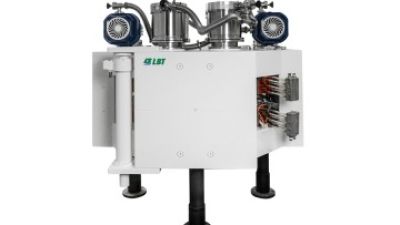
A medical cyclotron designed for clinical production must balance output, reliability, and flexibility. The LB-11MTS combines high radionuclide production capacity with an intelligent operating and monitoring system intended to streamline routine workflows and reduce operating costs. Its configurable liquid, gas, and solid target systems support a broad range of established diagnostic isotopes as well as research applications. This versatility matters in PET production: the IAEA’s *Cyclotron Produced Radionuclides: Principles and Practice* reports half-lives of about 110 minutes for fluorine-18 and 20 minutes for carbon-11, making dependable production and efficient scheduling important for timely use.
For hospitals and radiopharmaceutical facilities, the main benefits are potential support for higher-throughput operations, wider isotope options, and more efficient oversight of equipment. Buyers should assess expected patient volumes, target configuration, available technical support, staff training, facility requirements, and the full cost of installation and ongoing operation. They should also verify that the proposed production capacity matches local demand and that the target options cover planned clinical and research programs. The IAEA’s technical guidance on cyclotron-produced radionuclides provides a useful basis for evaluating production methods, target materials, and isotope-specific requirements before selecting a system.
FAQS
Confirm its accreditation, operating licenses, and regulatory status. Check the issuing authority, covered activities, and expiration dates. Verify records independently.
A polished certificate may hide limited scope or unresolved findings. Request written confirmation and review the regulator’s public database.
Ask for inspection reports, corrective-action records, maintenance logs, and staff training files. These documents reveal daily accountability.
Speak with the radiation safety officer and quality manager. A sales representative may not know incident procedures or calibration schedules.
Look for badge monitoring, controlled access, emergency instructions, and current calibration labels. Small details matter.
Check whether the energy range matches your required radionuclides. Target design and beam stability also affect production results.
Request twelve months of batch records. Include failed runs, maintenance hours, rejected quality-control results, yields, and release times.
Compare routine output, peak output, recovery plans, and transport distance. One large batch proves very little.
Ask about backup power, spare components, qualified technicians, and recovery timelines. Equipment eventually fails.
Its documents, staff, and daily practices should agree. My checklist is incomplete, so careful questioning still matters.
Conclusion
Choosing the right cyclotron facility is essential for reliable, safe, and cost-effective radiopharmaceutical production. Start by defining your required isotopes, production volume, delivery schedule, and intended applications. Then verify the facility’s accreditation, licenses, regulatory compliance, and documented quality systems. Evaluate its cyclotron technology, energy range, capacity, redundancy, and history of dependable production to ensure it can meet both current and future needs.
A strong facility should maintain rigorous radiopharmaceutical quality control, radiation safety procedures, and contamination prevention measures. Review the qualifications of its technical team, preventive maintenance program, equipment support, and emergency response capabilities. Finally, compare location, transportation access, pricing, lead times, packaging, and delivery options. A thorough assessment of these factors will help you select a cyclotron facility that offers consistent product quality, transparent service, operational resilience, and dependable long-term support.