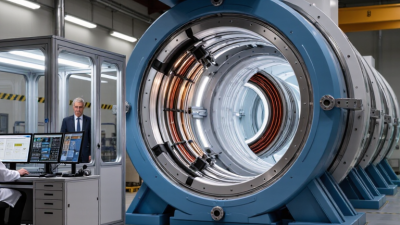
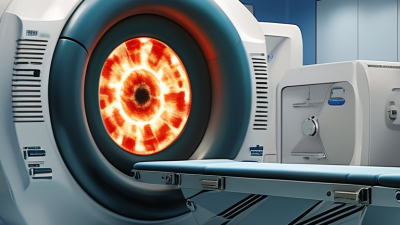
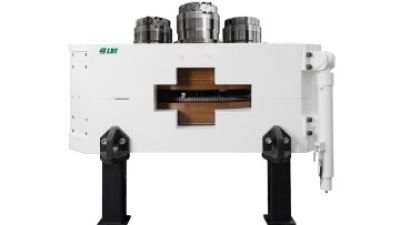
When you're trying to pick an LBT cyclotron, it's not just about comparing beam energy specs or the sticker price. Honestly, there's a lot more to consider—things like how reliable the machine is, what kind of service coverage the manufacturer offers, whether the target type matches your needs, and what the installation process will look like. Plus, long-term operating costs are a big deal too. A machine might look really impressive on paper, but if it’s hard to get spare parts across borders or if engineers can't get quick support when something goes wrong, that’s a real problem. And that, believe it or not, is pretty important.
Dr. Peter Schardt, who's well-respected in the cyclotron world and used to work at IBA, put it simply: “A cyclotron’s value isn’t just in how powerful it is, but in how often it’s running and how good the support network is.” That idea actually guides how we’ve looked at the top five manufacturers—namely IBA, Sumitomo Heavy Industries, Best Cyclotron Systems, Advanced Cyclotron Systems, and GE Healthcare. Each of these companies offers systems tailored to different production levels, facility layouts, and workflow needs. Some systems are designed to be super compact, while others jump out because they handle high-current tasks, feature automated targets, or have extensive service networks.
In this guide, we’re trying to look at things from a buyer’s perspective. We’ve considered things like beam stability, shielding needs, how easy it is for operators to learn, maintenance routines, how well their software integrates, and whether customer support is well-documented and accessible. We also make a point to see how transparent each company is about their technical limitations—something a lot of folks tend to overlook, but really shouldn’t.
By the way, the term Cyclotron Lbt can mean different things depending on where you’re coming from or what you're looking for. So, it’s always best to check directly with the manufacturer about the specs—like energy ranges, target materials, licensing rules, and installation requirements—since these can vary quite a bit from model to model. No one-size-fits-all ranking exists here. A hospital, research center, and radiopharmaceutical producer might all prioritize different features and come to different conclusions. Our goal is to highlight those differences, and just be upfront—remember, the lowest initial quote probably isn’t the full picture when you’re considering the total cost of ownership.
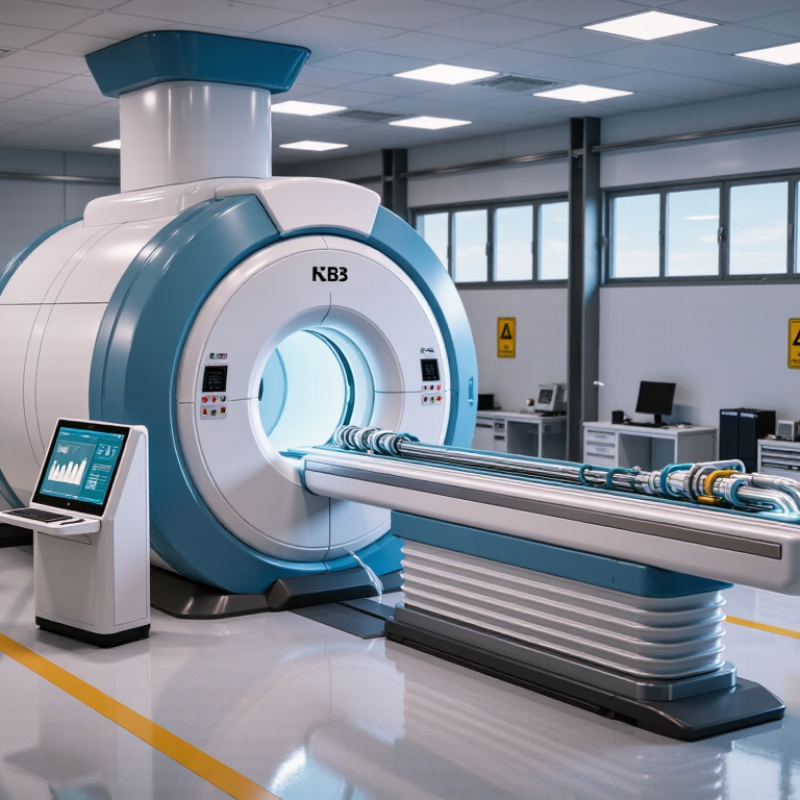
How LBT Cyclotron Manufacturers Are Evaluated for Global Buyers
Evaluating LBT Cyclotron Manufacturers for global buyers requires more than comparing advertised energy levels. Experienced teams examine beam stability, target compatibility, maintenance access, and documented uptime. A reliable supplier provides test records, calibration procedures, and clear acceptance criteria before shipment. Ask how factory engineers handle faults during night shifts. That answer reveals practical readiness. It matters.
Professional evaluation also covers regulatory documentation, quality systems, installation planning, and operator training. Lbt Medical Devices should be assessed through verifiable evidence, not polished brochures. Request references from facilities with similar workloads and climate conditions. Review spare-parts availability, software update policies, and response times in writing. Independent technical review can expose hidden integration costs. Still, no scorecard is perfect. I once underestimated training time. That mistake changed the evaluation.
Tips: Build a weighted scorecard before contacting suppliers. Give separate scores for safety, output consistency, service coverage, lifecycle cost, and documentation. Ask for a live demonstration or recorded operating data. Check chamber layout, power requirements, ventilation, and radiation-protection interfaces with local specialists. Leave room for uncertainty. Promised uptime may depend on staffing, utilities, and preventive maintenance. A careful buyer records assumptions and tests them against site conditions. Small details decide long-term performance.
Manufacturer Profile One: Technology, Product Range, and Global Reach
Manufacturer Profile One: Technology, Product Range, and Global Reach
This manufacturer builds compact cyclotron systems for hospitals, research centers, and regional isotope facilities. Its core platform includes a
7 Mev Cyclotron
designed for selected medical and research applications. The system uses a shielded acceleration chamber, automated control software, and stable beam monitoring. Operators can adjust energy settings through a clear touchscreen interface. That matters during repeated production runs.
The product range extends beyond the accelerator itself. It includes target stations, vacuum pumps, cooling units, radiation monitoring equipment, and maintenance tools. Engineers can configure systems for different site layouts and production needs. During installation, cable routing and service access often receive careful attention. Small design choices can reduce downtime later. However, compact equipment may limit upgrade space. Buyers should review future capacity before signing a specification.
Global reach depends on more than shipping machinery overseas.
The manufacturer supports site planning, operator training, commissioning, and remote diagnostics. Local service partners can shorten response times when a component fails. Documentation should include clear procedures, inspection records, and realistic maintenance intervals. In practice, support quality can vary between regions. That deserves honest checking. A reliable supplier shares test data, installation references, and acceptance criteria before delivery. Its technical team should also explain what the equipment cannot do.
Manufacturer Profile Two: Performance, Reliability, and Service Support
Performance is more than beam energy on a specification sheet. For global buyers, it means stable output, repeatable target operation, and predictable maintenance. Grand View Research’s 2024 outlook estimates the global cyclotron market may grow at about 6.9% annually through 2030. That growth increases pressure on manufacturers to prove field performance, not merely laboratory results. Ask for acceptance-test records.
The IAEA’s Nuclear Medicine Resources Manual identifies quality assurance, trained operators, and documented maintenance as essential controls. Service evidence matters. Request mean time to repair, spare-parts lead times, remote diagnostic coverage, and technician response targets. These details reveal operational maturity better than a polished brochure. ISO 9001 certification helps, but it cannot replace site references or audited service records. Speak with facilities using comparable workloads.
Reliability also lives in small physical details. Thermal drift, vacuum alarms, target wear, and software recovery can disrupt a tight production schedule. One missed delivery can affect patients and budgets. The OECD Nuclear Energy Agency’s 2023 review of medical radioisotope supply highlights the importance of resilient production capacity and dependable infrastructure. Manufacturers should provide risk registers, preventive-maintenance intervals, and clear escalation paths. A perfect uptime promise deserves skepticism. No supplier gets every installation right. Honest reporting of failures, corrective actions, and unresolved limitations is more useful than exaggerated confidence.
Manufacturer Profile Three: Innovation, Safety, and Operational Efficiency
Manufacturer Profile Three: Innovation, Safety, and Operational Efficiency
Innovation in LBT cyclotron manufacturing should solve practical problems, not merely add software. The IAEA reports more than 40 million nuclear medicine procedures worldwide each year. This demand requires reliable isotope production, compact footprints, and predictable maintenance. Modern systems may use automated beam tuning, remote diagnostics, and improved target cooling. These features can reduce operator exposure and limit production delays. Yet automation is not a substitute for trained engineers. I would still question any supplier that presents efficiency without failure data.
Safety must appear in the design, not only in the manual. The OECD Nuclear Energy Agency has highlighted the vulnerability of concentrated medical-radioisotope supply chains. A dependable manufacturer should provide layered shielding, interlocks, radiation monitoring, and documented emergency procedures. Buyers should request dose-rate test results from comparable installations. Small details matter, such as clear service access behind shielding panels. They often determine whether maintenance takes hours or several days.
Tips: Ask for uptime records, acceptance-test procedures, spare-parts lead times, and lifecycle energy figures. Check whether local technicians receive hands-on training. Require references from facilities with similar workloads. A factory visit can reveal more than polished presentations. Look closely at cable routing, cooling lines, and housekeeping. These are unglamorous indicators of operational discipline. Industry data can guide a purchase, but site-specific evidence should control the final decision.
Manufacturer Profile Four: Customization, Compliance, and Installation Services
Customization, Compliance, and Installation Services
An experienced LBT cyclotron manufacturer treats customization as an engineering process, not a sales promise. Each Pet + Cyclotron project should reflect its intended isotope workflow, available floor space, and operating schedule. Engineers may adjust beam energy, target interfaces, shielding layouts, and control systems. These choices affect maintenance access and daily reliability.
Compliance must begin before fabrication. A capable supplier reviews electrical standards, radiation protection requirements, pressure systems, and local approval procedures. Documentation should include equipment drawings, risk assessments, test records, and operating instructions. Global buyers should request traceable materials and clear factory acceptance criteria. Vague paperwork creates expensive delays.
Installation support is equally practical.
Technicians should inspect the room, verify lifting routes, and confirm utility connections before delivery. On site, they can align major assemblies, test interlocks, and train operators with real procedures. Small details matter. A misplaced cable tray can obstruct service access. A late ventilation change can disrupt commissioning.
No project runs perfectly. An early drawing may still miss a local requirement. That is worth admitting. Reliable suppliers respond with documented revisions, not excuses. Buyers should also plan spare parts, remote diagnostics, calibration checks, and service response times. These details reveal whether customization, compliance, and installation support are genuinely connected.
Manufacturer Profile Five: Pricing, Lifecycle Value, and International Delivery
Manufacturer Profile Five: Pricing, Lifecycle Value, and International Delivery
A serious LBT cyclotron purchase begins with total cost, not the equipment quotation. The initial price should include the accelerator, target systems, shielding interfaces, controls, installation, and operator training. Ask for a line-by-line commercial proposal. Hidden costs often appear in cooling capacity, room modifications, software licenses, and spare parts.
Lifecycle value depends on dependable operation over many years. Experienced manufacturers provide maintenance schedules, component replacement intervals, and realistic uptime data. Request factory acceptance testing records and references from facilities with similar workloads. Service response matters, especially when a failed vacuum pump can stop production. Remote diagnostics help, but they cannot replace trained local engineers. No forecast is perfect. A budget can still miss renovation delays or currency changes.
International delivery requires more than shipping a packed machine. The supplier should coordinate export documents, insurance, crate protection, customs information, and delivery to the prepared site. Clarify which party handles unloading, rigging, final positioning, and commissioning. A practical contract includes milestone payments, acceptance criteria, warranty limits, and spare-parts availability. Confirm electrical standards and environmental requirements early. Time zones can complicate support. A regional service partner may reduce waiting time, although its qualifications need checking. The strongest evaluation compares five-year ownership cost, technical evidence, delivery control, and service depth rather than choosing the lowest quotation.
5 Best LBT Cyclotron Manufacturers for Global Buyers
Manufacturer Profile Five: Pricing, Lifecycle Value, and International Delivery
The chart compares manufacturer-neutral planning ranges for common low-to-medium-energy cyclotron classes. Budget figures represent indicative installed project costs in USD millions, including typical integration and commissioning allowances; delivery figures indicate expected international project lead time, while service-life values reflect common design-life planning assumptions. Actual quotations vary by energy, beam current, targets, shielding, site conditions, regulatory approval, and service scope.
How Global Buyers Can Compare the Five LBT Cyclotron Manufacturers
Comparing the five best LBT Cyclotron manufacturers requires more than checking beam energy or catalog photos. Global buyers should examine machine reliability, service coverage, installation records, and documented testing. A Proton Cyclotron may appear technically similar across suppliers, yet cooling design, extraction stability, and control software can differ significantly. Ask for operating data from facilities with comparable workloads.
Request a complete technical file before discussing price. It should include maintenance intervals, spare-part availability, safety interlocks, training plans, and acceptance-test procedures. A serious manufacturer can explain how the system performs during long production cycles, not only during demonstrations. Check whether engineers can support your time zone and local regulatory process. Small delays become expensive when a specialist must travel across borders.
Total ownership cost deserves careful attention. Include utilities, room preparation, shielding verification, software updates, and service contracts. A low purchase price may hide costly integration work. However, a high price does not guarantee better support. A scoring table helps, but it can still mislead when every category receives equal weight. Buyers should rank uptime, response speed, and compliance according to their actual facility needs. Independent references are useful, though they may reflect unusually favorable projects. Leave room for doubt. That is often where better questions begin.
Cyclotron LB-20: Features, Applications, and Key Buying Considerations
The Cyclotron LB-20 is designed to support a wide range of medical and research applications, making it suitable for hospitals, imaging centers, universities, and radiopharmaceutical production facilities. Its stable radionuclide output helps maintain continuity in clinical diagnosis, treatment assessment, and experimental work, while reducing the operational impact of supply fluctuations. The system supports both positron-emitting and single-photon diagnostic radionuclides, enabling users to address diverse nuclear medicine requirements with one integrated platform.
A key feature is its adjustable beam energy, which can be set between 14 MeV and 20 MeV to match the production requirements of different radionuclides. This flexibility allows operators to balance yield, production efficiency, and radionuclide quality according to specific workflows. The modular architecture also supports future energy upgrades, helping institutions expand production capacity as clinical services or research programs develop.
When evaluating the LB-20, buyers should consider expected radionuclide demand, the variety of isotopes required, facility space, infrastructure compatibility, workflow efficiency, and long-term expansion plans. Reliable output, flexible configuration, straightforward operation, and upgrade potential are especially important for organizations seeking a practical system that can support both current workloads and future multi-nuclide production needs.
FAQS
Review beam stability, target compatibility, maintenance access, documented uptime, and acceptance-test records. Advertised energy is only one detail.
They show whether the system meets defined performance criteria before shipment. Request calibration records, operating data, and fault-response procedures.
Ask about night-shift support, technician response times, remote diagnostics, and spare-parts delivery. Written commitments matter.
Confirm chamber space, cable routing, power demand, cooling, ventilation, and radiation-protection interfaces. Small layout errors can cause later delays.
No. A quality certificate supports confidence, but similar-site references and service records provide stronger evidence.
Check target stations, vacuum pumps, cooling units, monitoring equipment, control software, and maintenance tools. Compatibility must be verified.
Treat uptime as conditional. Staffing, utilities, preventive maintenance, and local service coverage can change the result.
Workload and climate affect performance. A system operating well in a cool site may struggle elsewhere.
Look for failure reports, corrective actions, unresolved limitations, and realistic maintenance intervals. Perfect claims deserve skepticism.
Use a weighted scorecard and obtain an independent technical review. I once underestimated training time. That mistake mattered.
Conclusion
Choosing the right LBT cyclotron manufacturer requires more than comparing equipment prices. Global buyers should evaluate each supplier’s technology, product range, particle performance, reliability, safety systems, and operational efficiency. Equally important are customization capabilities, regulatory compliance, installation support, staff training, maintenance services, and access to responsive technical assistance across different regions. A manufacturer with proven engineering expertise and a flexible approach can better support diverse facility requirements and long-term project goals.
The five manufacturers can also be compared through lifecycle value rather than initial cost alone. Buyers should review energy consumption, production capacity, upgrade options, spare-parts availability, warranty terms, delivery schedules, and total ownership expenses. International logistics experience and clear communication are essential for reducing installation delays and ensuring dependable operation. By using a structured comparison that balances performance, service, compliance, customization, pricing, and long-term support, global buyers can identify the LBT cyclotron supplier that offers the strongest overall value for their specific application.