

Marketing Campaign

0102030405
Beyond ¹⁷⁷Lu and ²²⁵Ac: Where Are Next-Generation Therapeutic Radionuclides Heading?
2026-09-21
☢️ ¹⁷⁷Lu and ²²⁵Ac are two of the most prominent radionuclides in targeted radionuclide therapy today.
¹⁷⁷Lu has helped establish β-emitter therapy, while ²²⁵Ac has opened new possibilities for targeted alpha therapy. But the future of radionuclide therapy will likely extend well beyond these two isotopes.
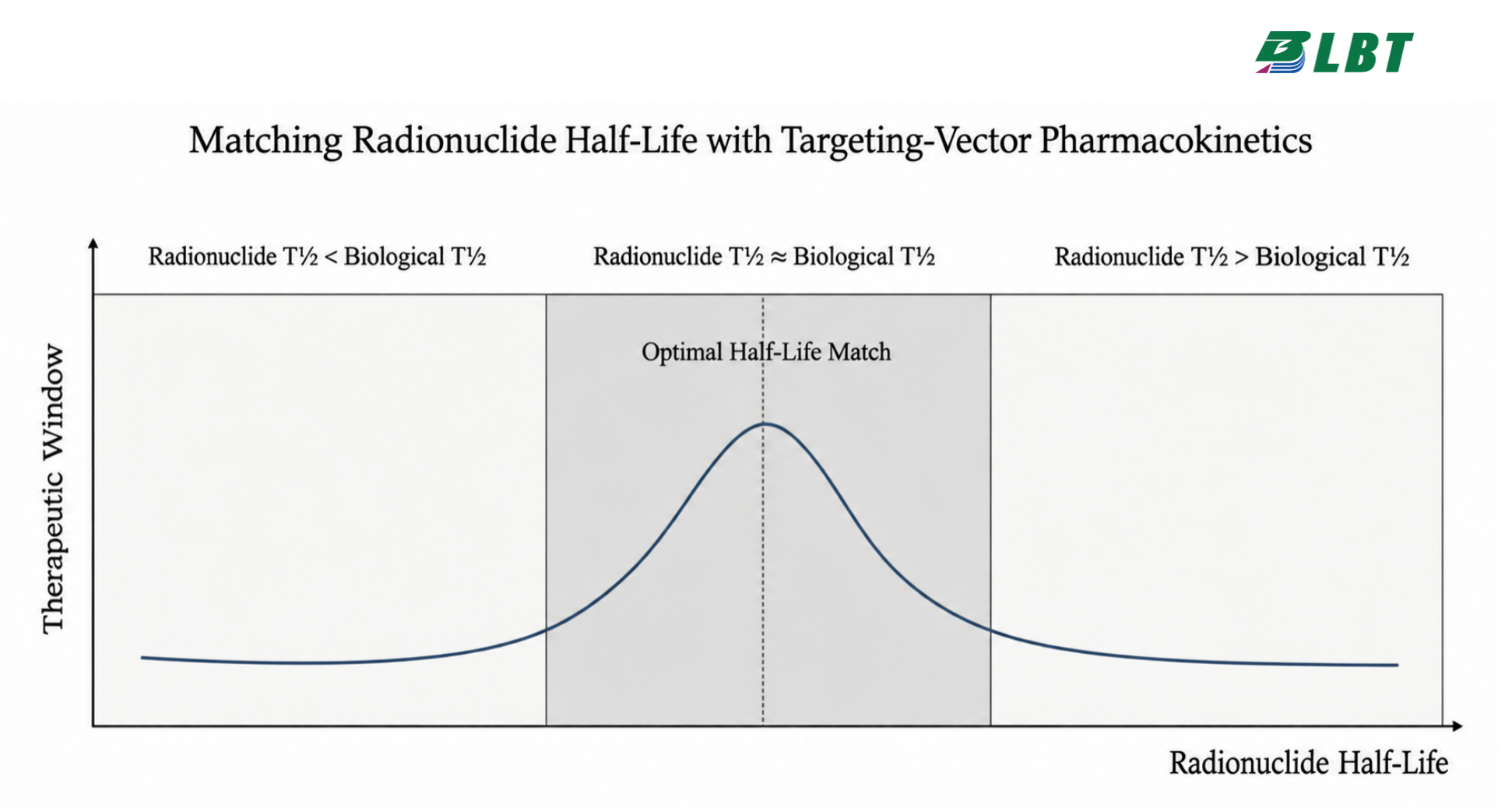
Why? Because no single radionuclide is ideal for every targeting molecule or clinical scenario.
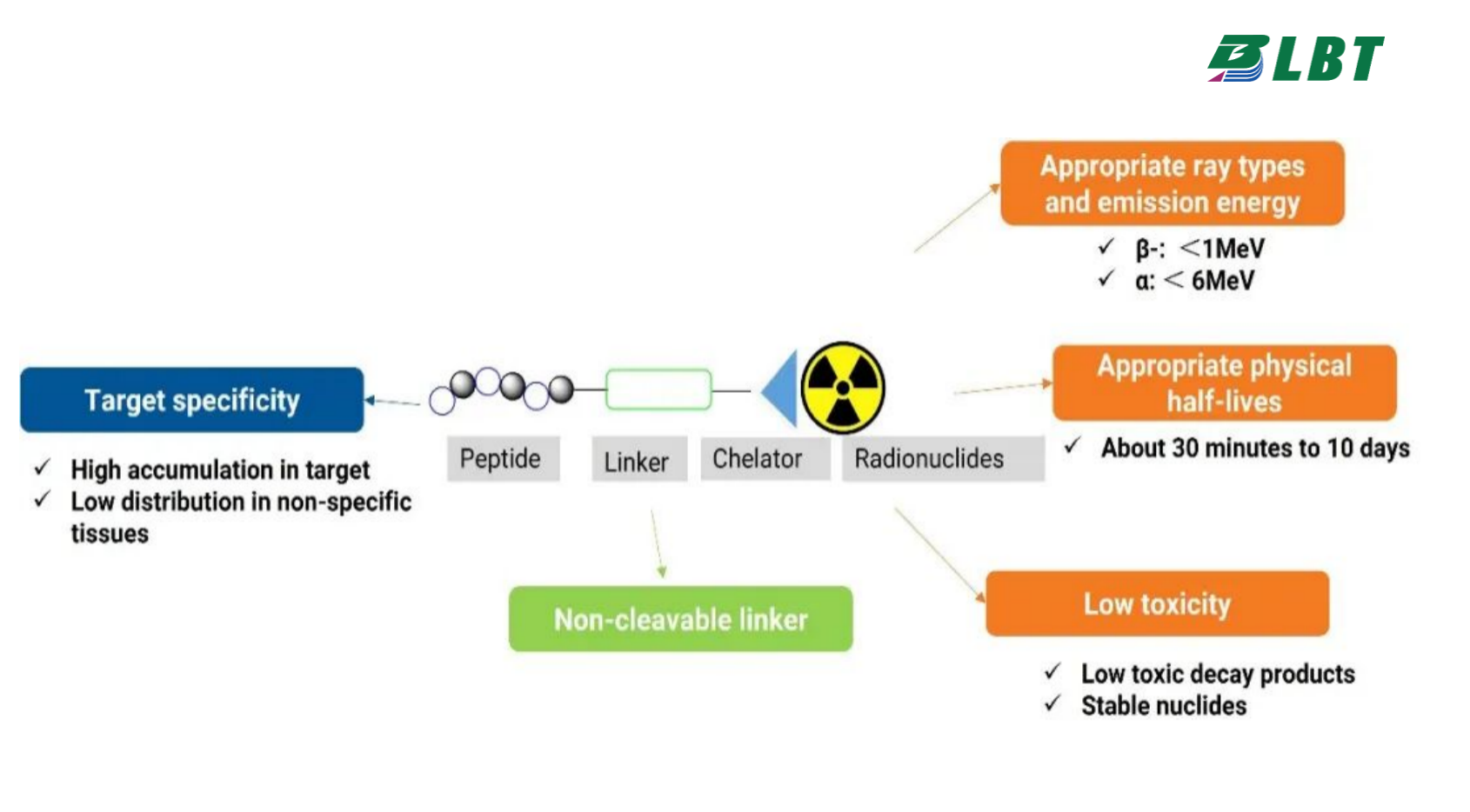
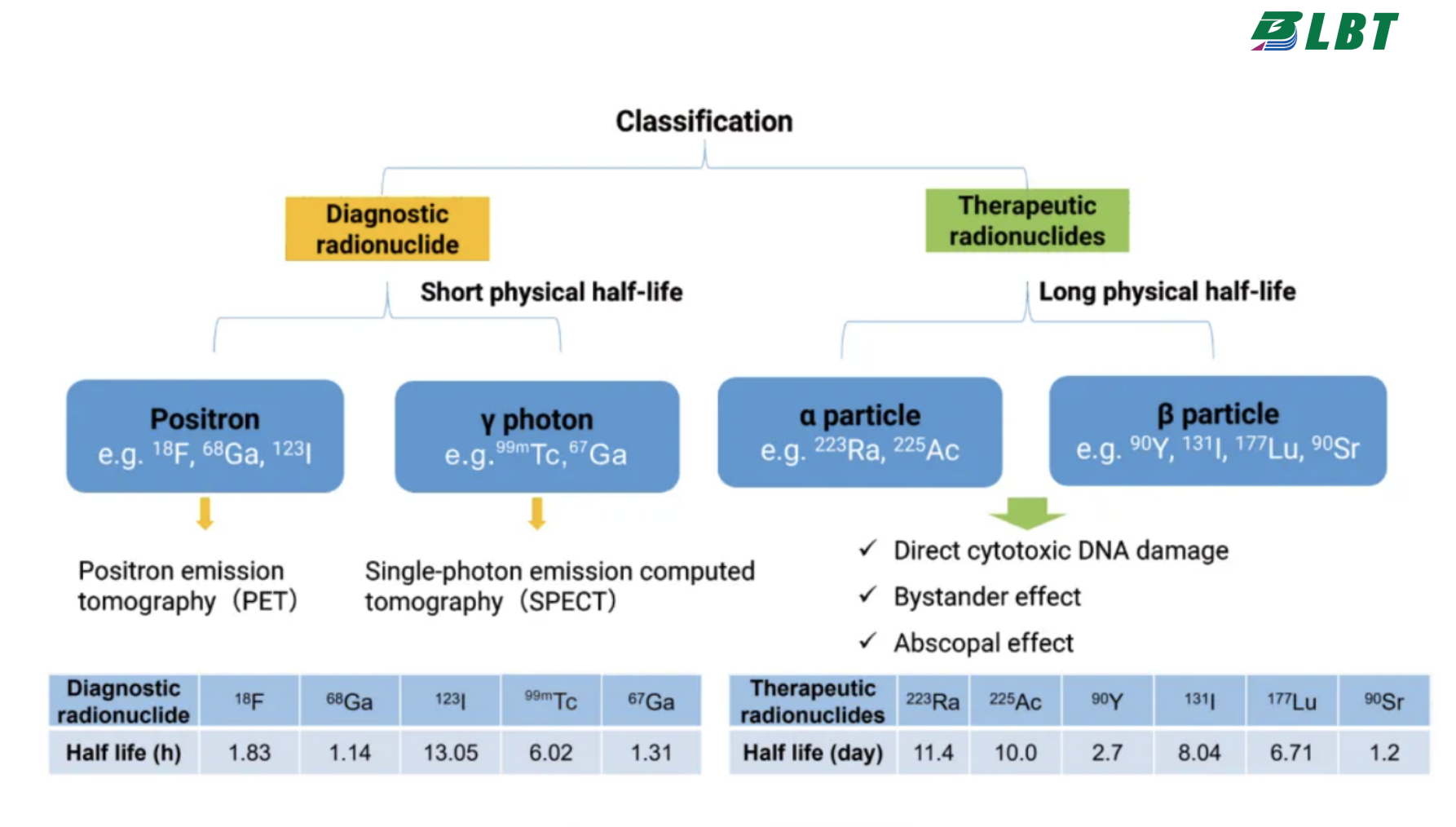
Its value depends on several factors, including half-life, decay characteristics, production feasibility, pharmacokinetic matching and theranostic potential.
🔵 β Emitters: Beyond ¹⁷⁷Lu
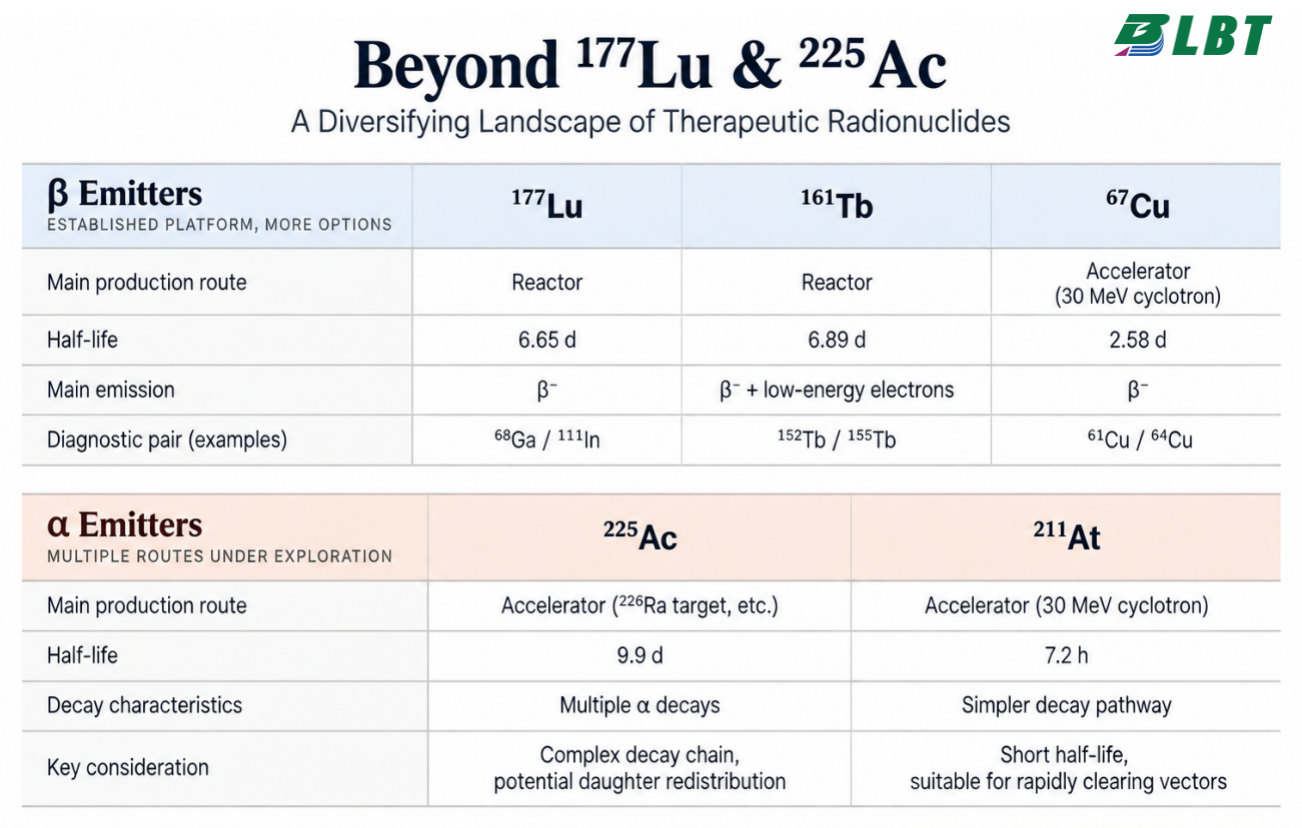
¹⁷⁷Lu has a well-established production and clinical foundation, but its 6.65-day half-life may not be optimal for every targeting vector.
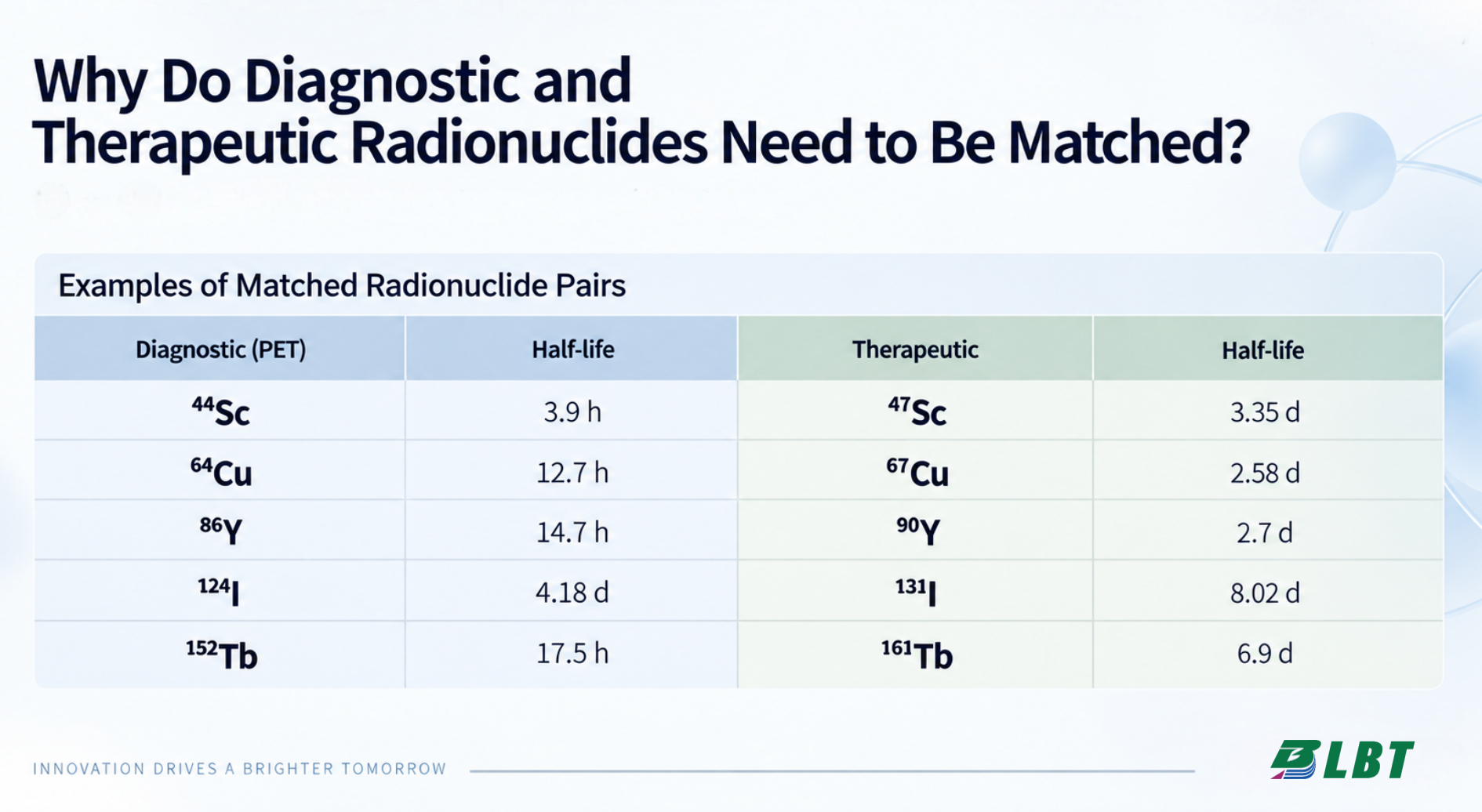
This is driving interest in alternatives such as ¹⁶¹Tb and ⁶⁷Cu.
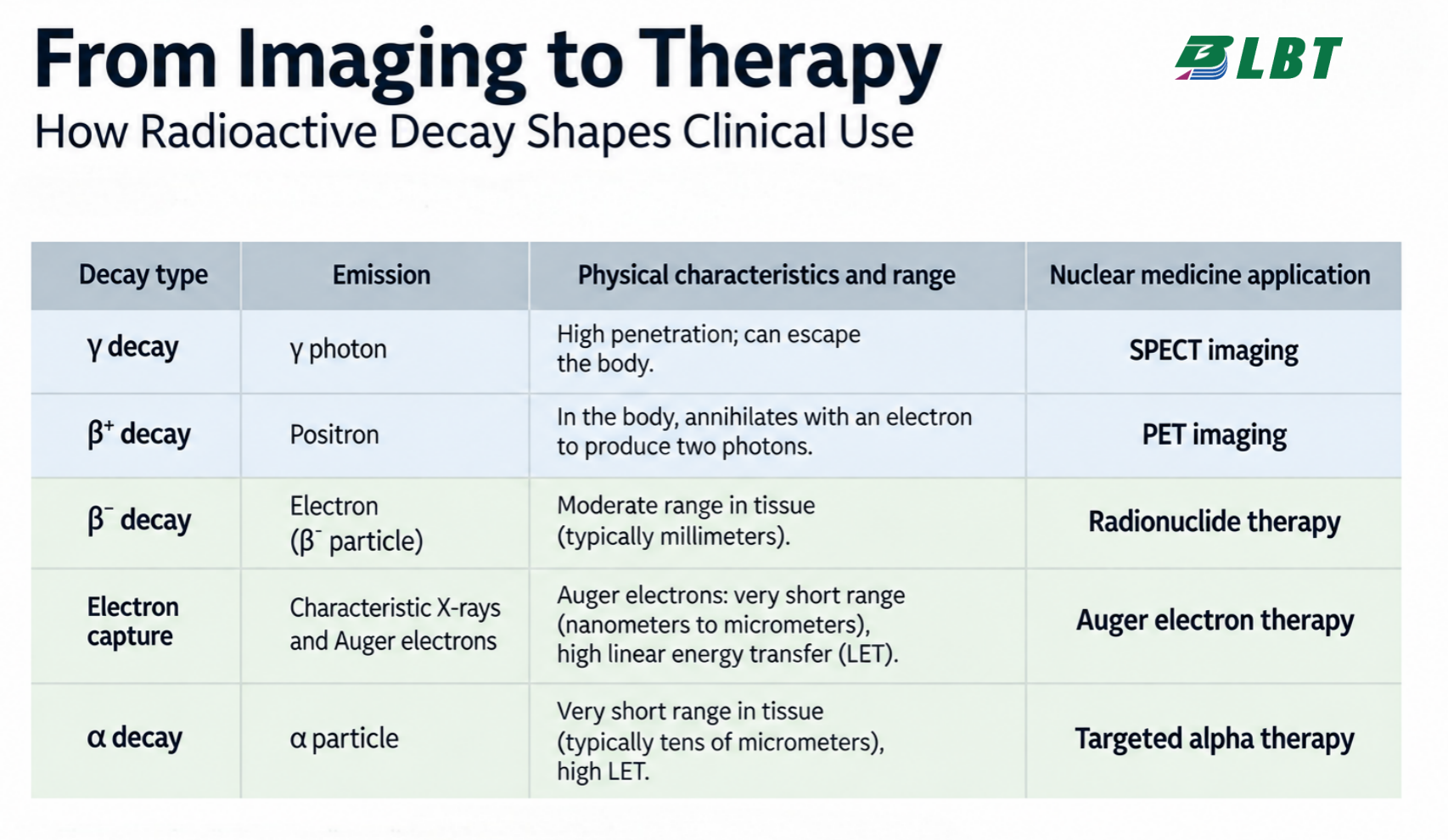
⚛️ ¹⁶¹Tb emits β⁻ particles together with low-energy electrons, including Auger electrons, offering different energy-deposition characteristics at small scales.
⚛️ ⁶⁷Cu, with a half-life of about 2.58 days, can also be paired with PET isotope ⁶⁴Cu, creating a same-element theranostic pair.
These radionuclides are not simply replacements for ¹⁷⁷Lu—they may provide additional options for different drugs and therapeutic needs.
🟣 α Emitters: Multiple Routes Are Emerging
The α-emitter landscape is even more diverse.
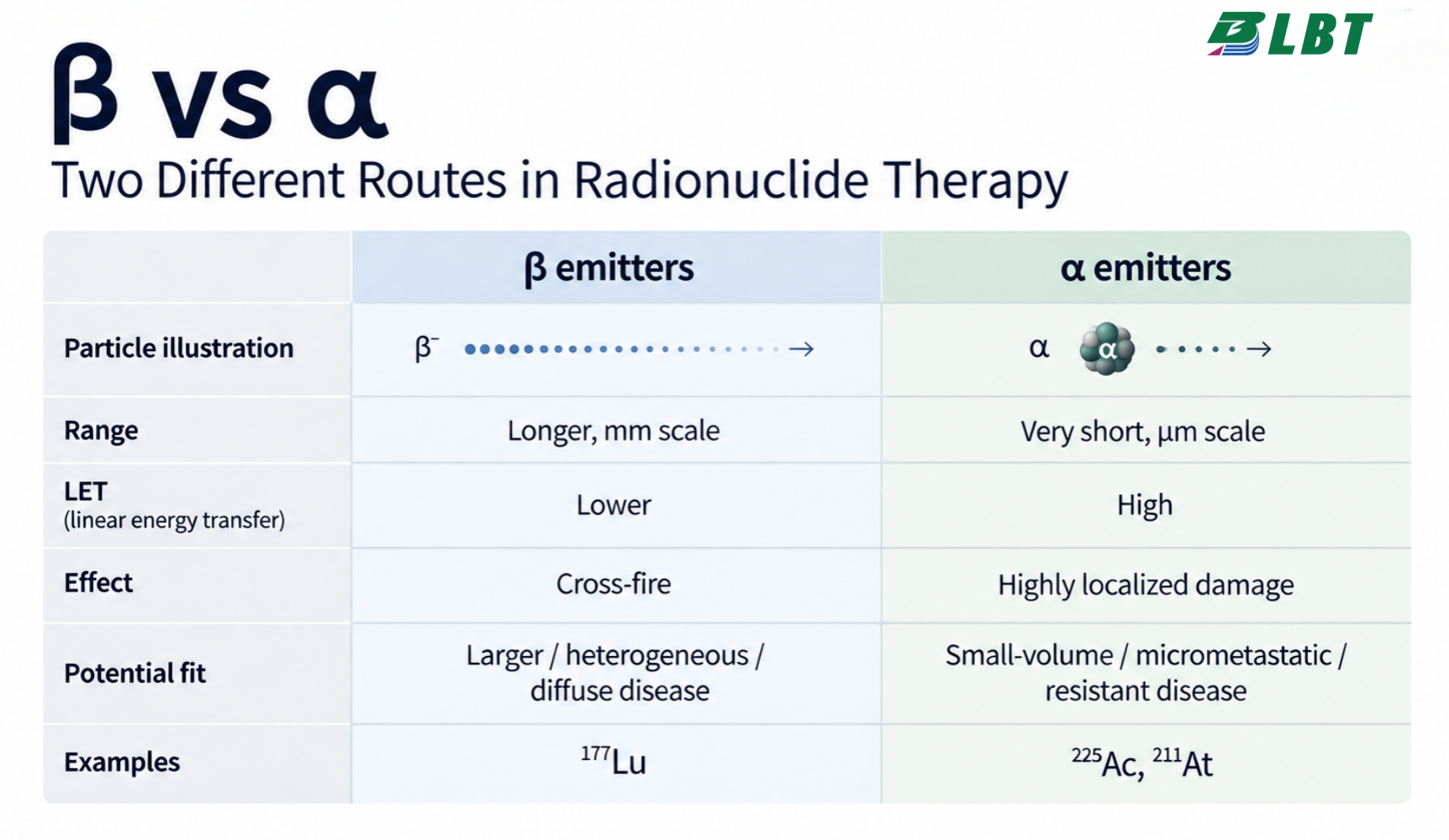
²²⁵Ac offers high LET and a very short tissue range, but its relatively long half-life and complex decay chain also bring challenges, including daughter radionuclide redistribution.
Other α emitters are therefore attracting attention. ²¹¹At, for example, has a half-life of about 7.2 hours and a simpler decay pathway, making it interesting for certain rapidly targeting and clearing radiopharmaceuticals.
There is currently no single α emitter that offers the best solution for every application.
🎯 The Future Is About Matching, Not Replacing
The next generation of therapeutic radionuclides is unlikely to be about one isotope replacing another. Instead, the field is moving toward multiple radionuclides for different therapeutic needs:
⏱️ Half-life ↔ Pharmacokinetics ☢️ Particle properties ↔ Disease characteristics 🔄 Decay chain ↔ Safety ⚙️ Production route ↔ Economics 🔍 Diagnostic pairing ↔ Dosimetry
¹⁷⁷Lu will remain an important β-emitter platform, while radionuclides such as ¹⁶¹Tb and ⁶⁷Cu may expand the available options. In alpha therapy, ²²⁵Ac and ²¹¹At are also being explored for different applications.
🌐 Therapeutic radionuclides are moving from a few dominant isotopes toward a more diverse, application-driven landscape.
And as the number of radionuclides grows, another question becomes increasingly important:
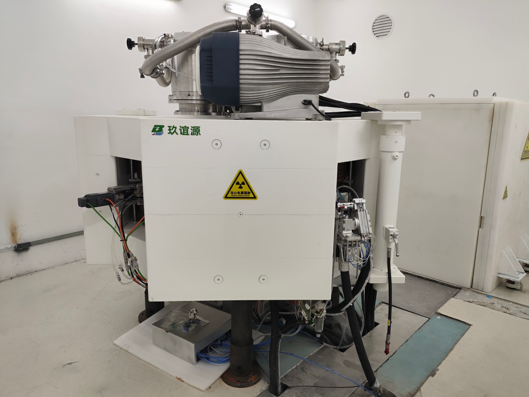
How can production platforms adapt to support this multi-radionuclide future?
#NuclearMedicine #TherapeuticRadionuclides #Radiopharmaceuticals #RadionuclideTherapy #Theranostics #LBT