

Marketing Campaign
0102030405
From Seeing Disease to Treating It: Why Radiopharmaceuticals Matter
2026-09-02
☢️ Nuclear medicine is changing the way we see—and increasingly, treat—disease.
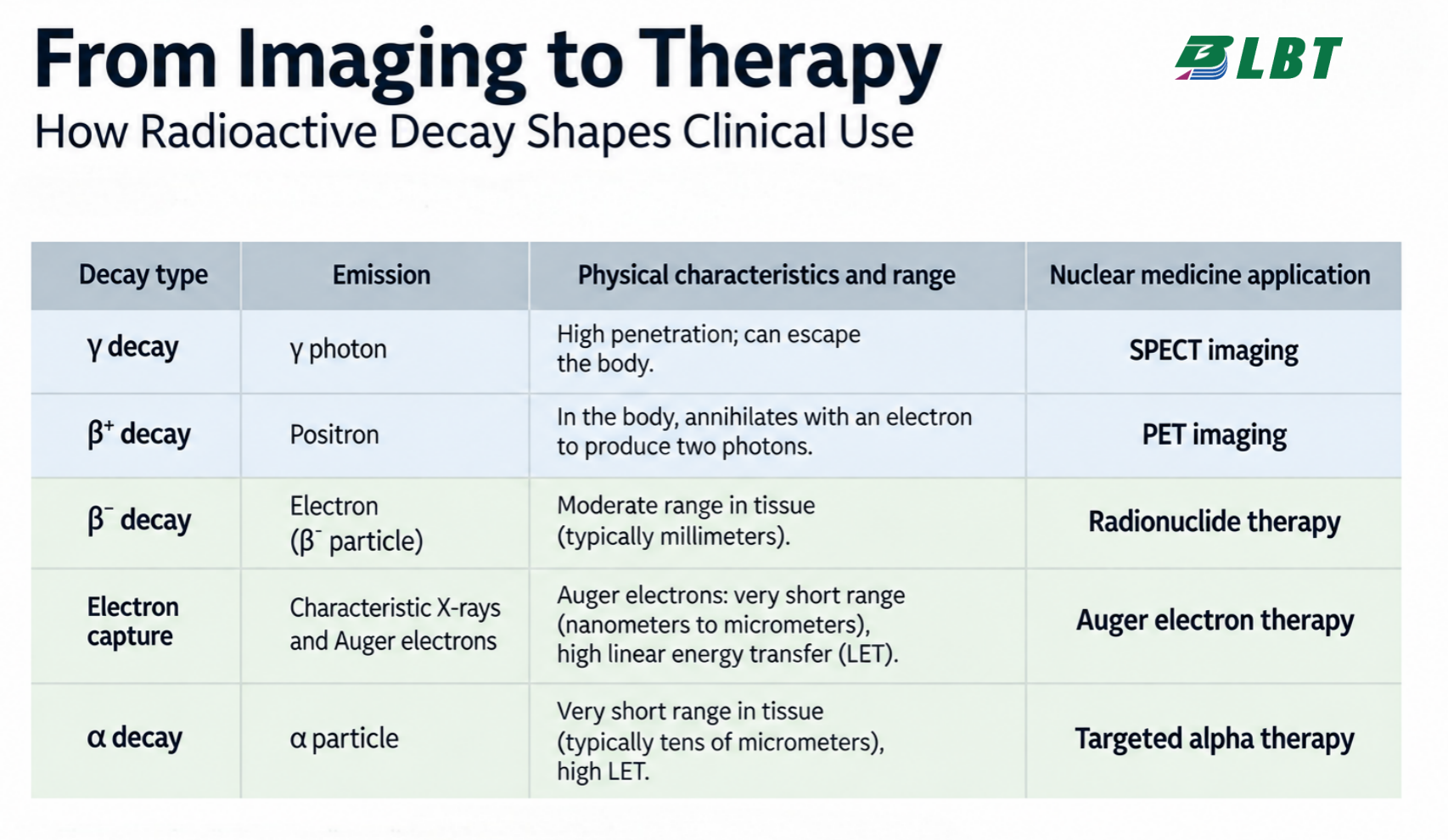
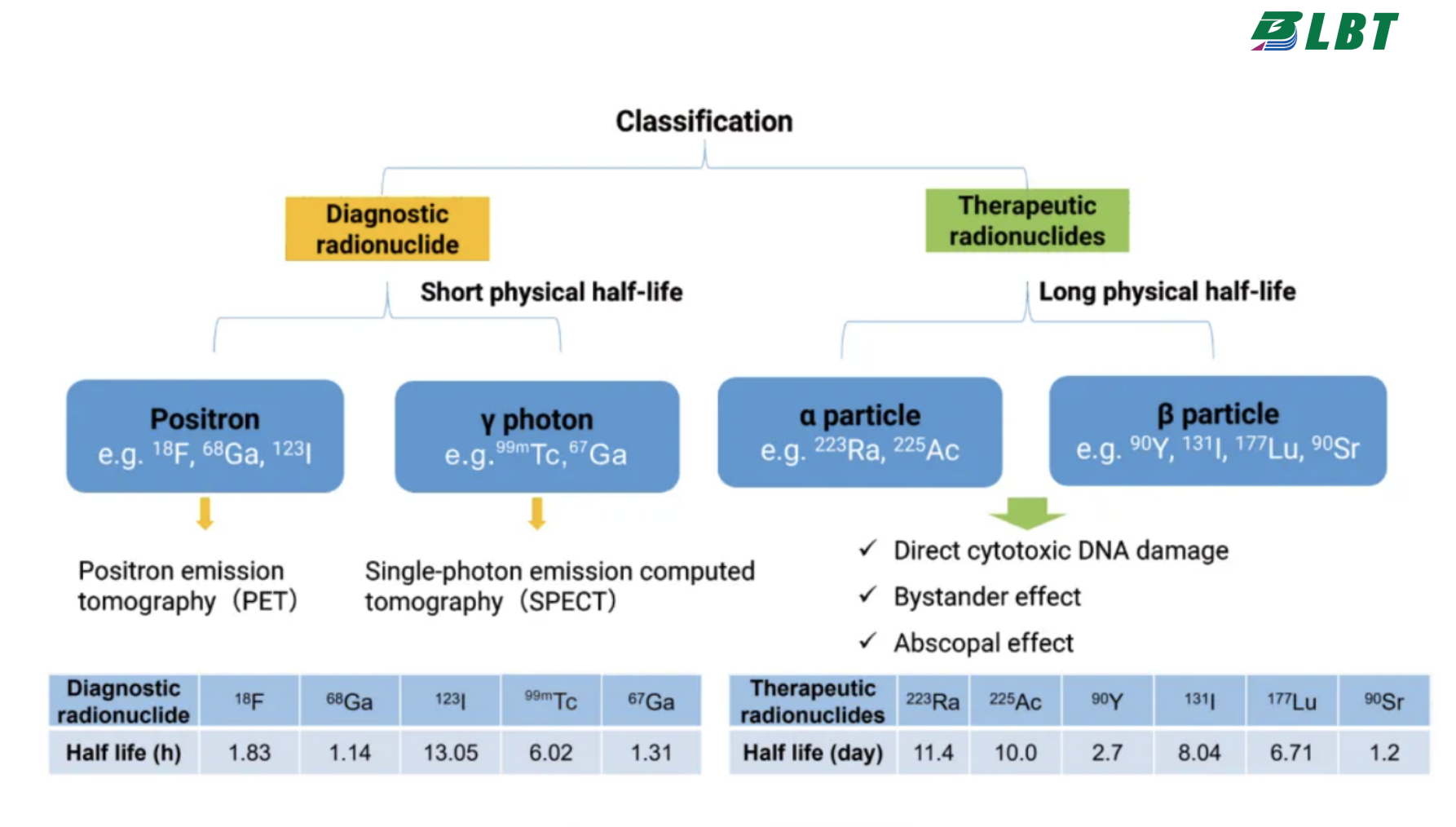
Traditional imaging primarily shows anatomical changes. Molecular imaging with PET and SPECT goes further, using radiopharmaceuticals to visualize biological processes inside the body.
🔍 From imaging to treatment decisions
Diagnostic radiopharmaceuticals can reveal metabolism, receptor expression and other disease-specific characteristics.
So molecular imaging can help answer not only:
“Where is the disease?”
but also:
“What is happening at the molecular level?”
This information can support disease detection, target assessment, patient selection and treatment planning.
🎯 From diagnosis to targeted therapy
Radiopharmaceuticals are not limited to imaging.
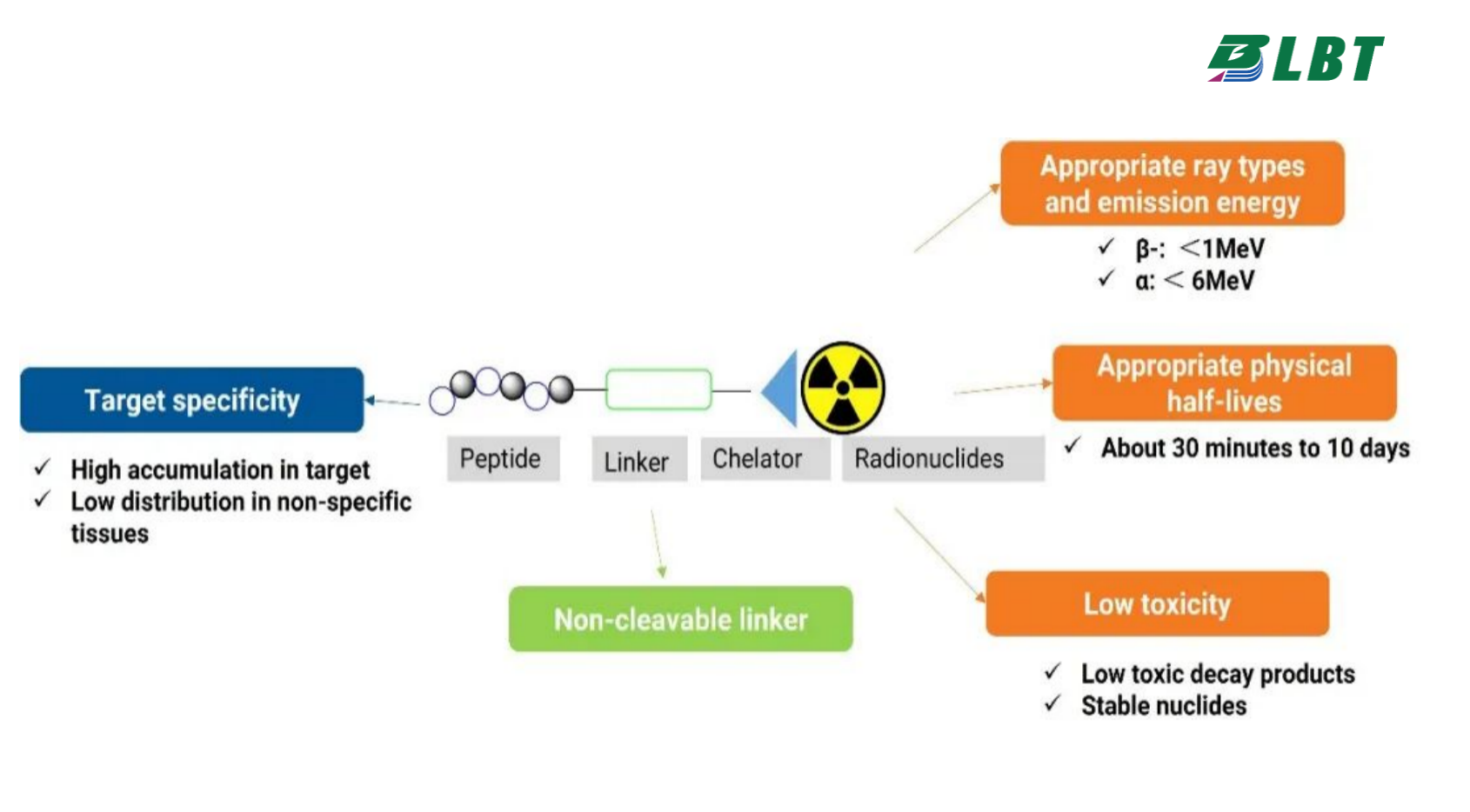
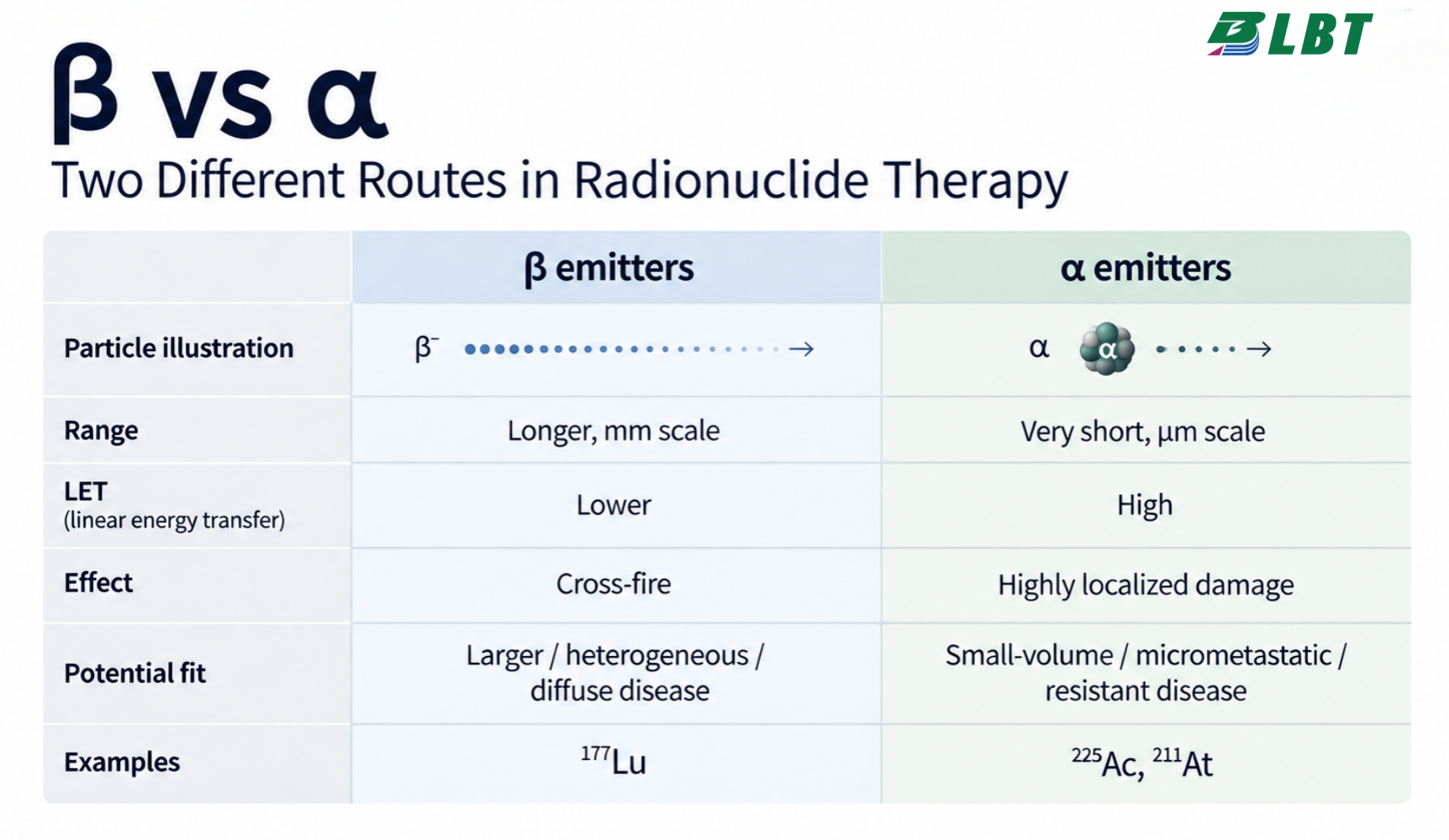
By combining a targeting molecule with a therapeutic radionuclide, radiation can be delivered selectively to disease sites:
🧬 Targeting molecule → Finds the target ☢️ Radionuclide → Delivers the radiation
As the radionuclide decays, ionizing radiation deposits energy in or around the targeted tissue, providing a distinct approach to targeted cancer therapy.
🔄 Connecting diagnosis and therapy
This is where theranostics becomes especially powerful.
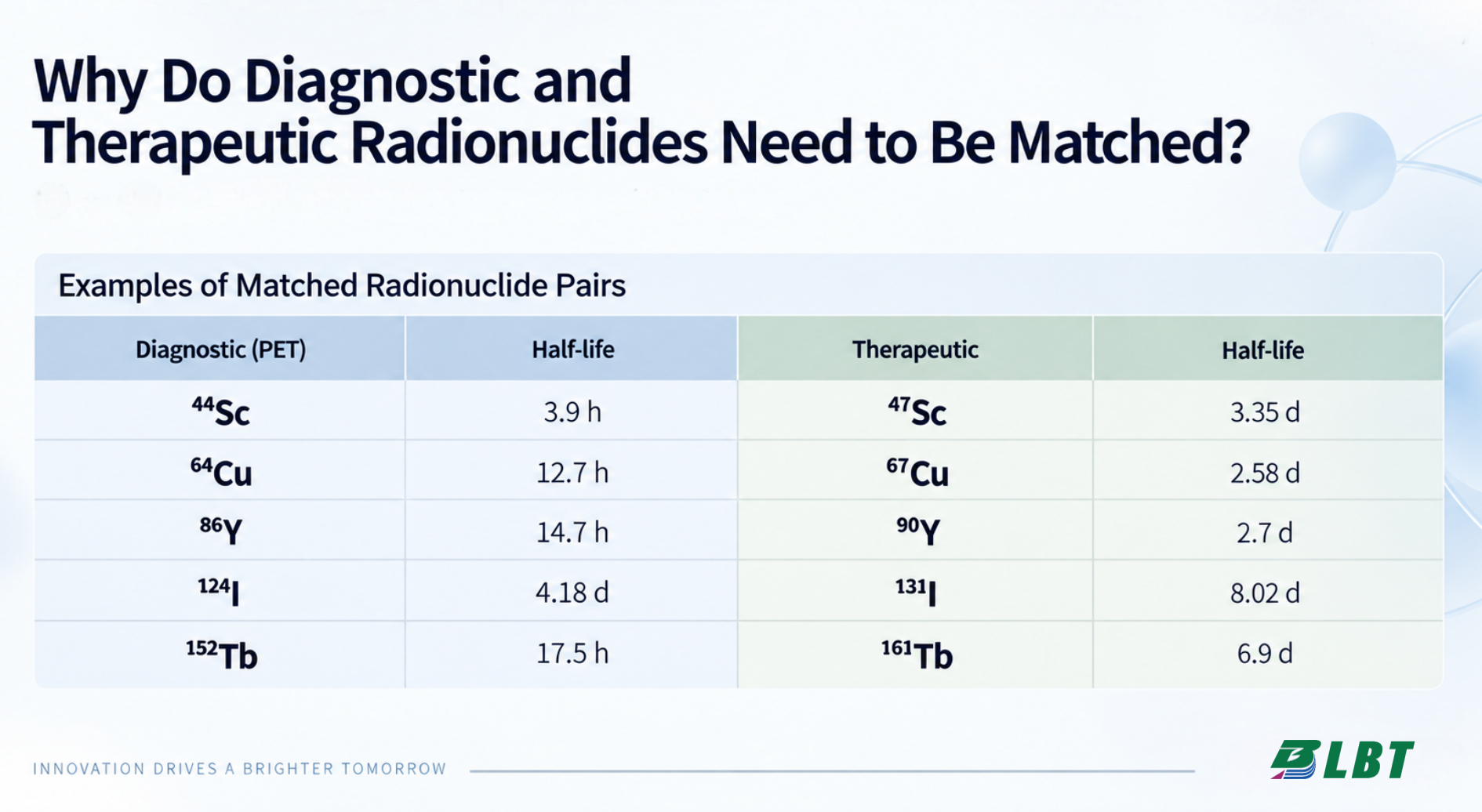
A diagnostic radiopharmaceutical can help identify the right patients and visualize disease distribution, while a corresponding therapeutic radiopharmaceutical can target the same biological pathway for treatment.
Target Identification → Patient Selection → Targeted Therapy → Response Evaluation
⚛️ And it all starts with radionuclides
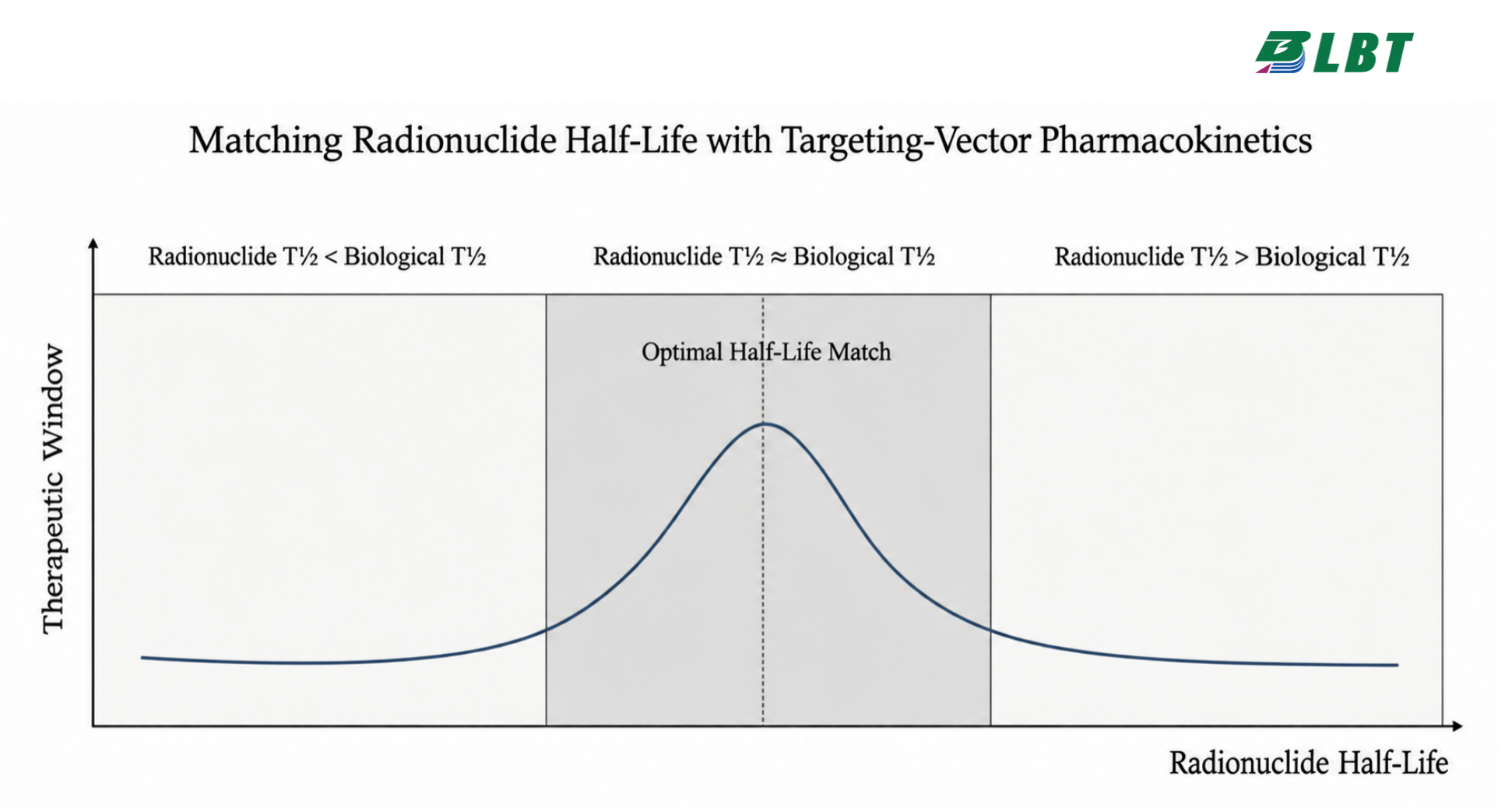
Unlike conventional pharmaceutical ingredients, radionuclides decay continuously. Their production, drug development and clinical delivery are therefore closely connected:
Radionuclide Supply → Radiopharmaceutical Development → Clinical Delivery
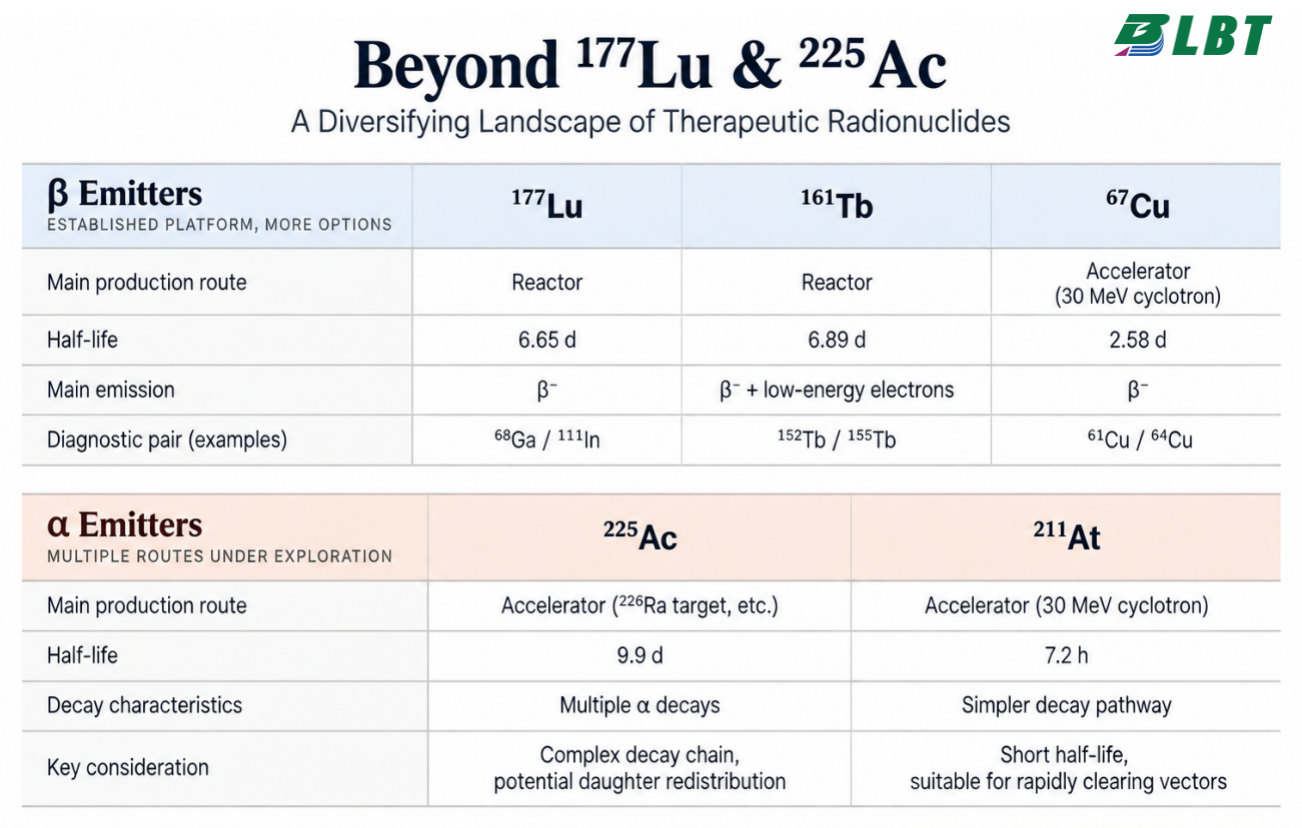
As more targets, drugs and radionuclides enter development, nuclear medicine is moving toward a more diverse radionuclide landscape—bringing imaging and therapy closer together.