

Marketing Campaign
0102030405
⚛️ Nuclear Medicine Is Entering a Multi-Isotope Era
2026-08-26
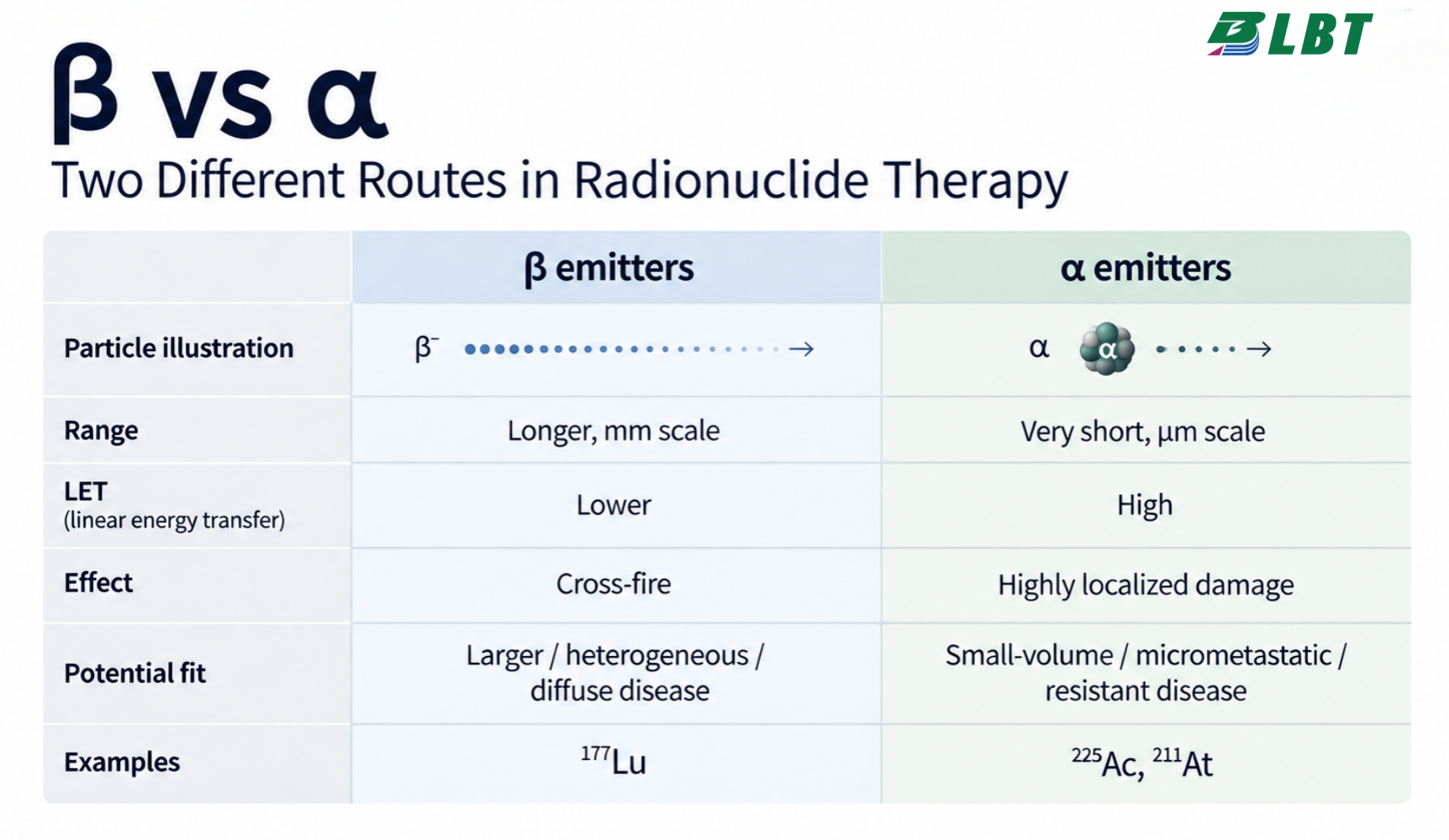
For years, ¹⁸F-FDG has been one of the best-known tracers in PET imaging. Today, as molecular imaging and targeted radionuclide therapy advance, nuclear medicine is expanding toward a much broader range of radionuclides.
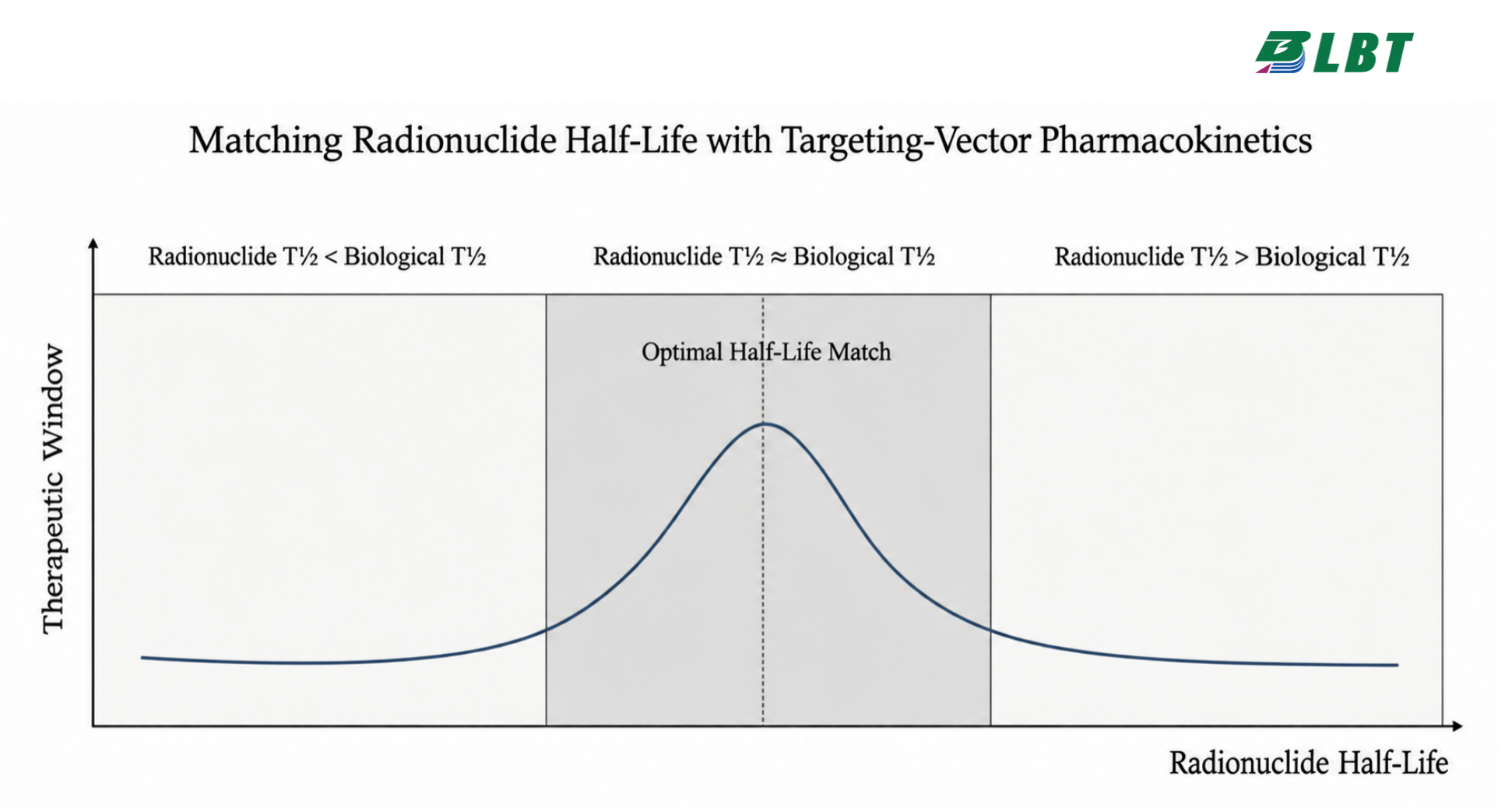
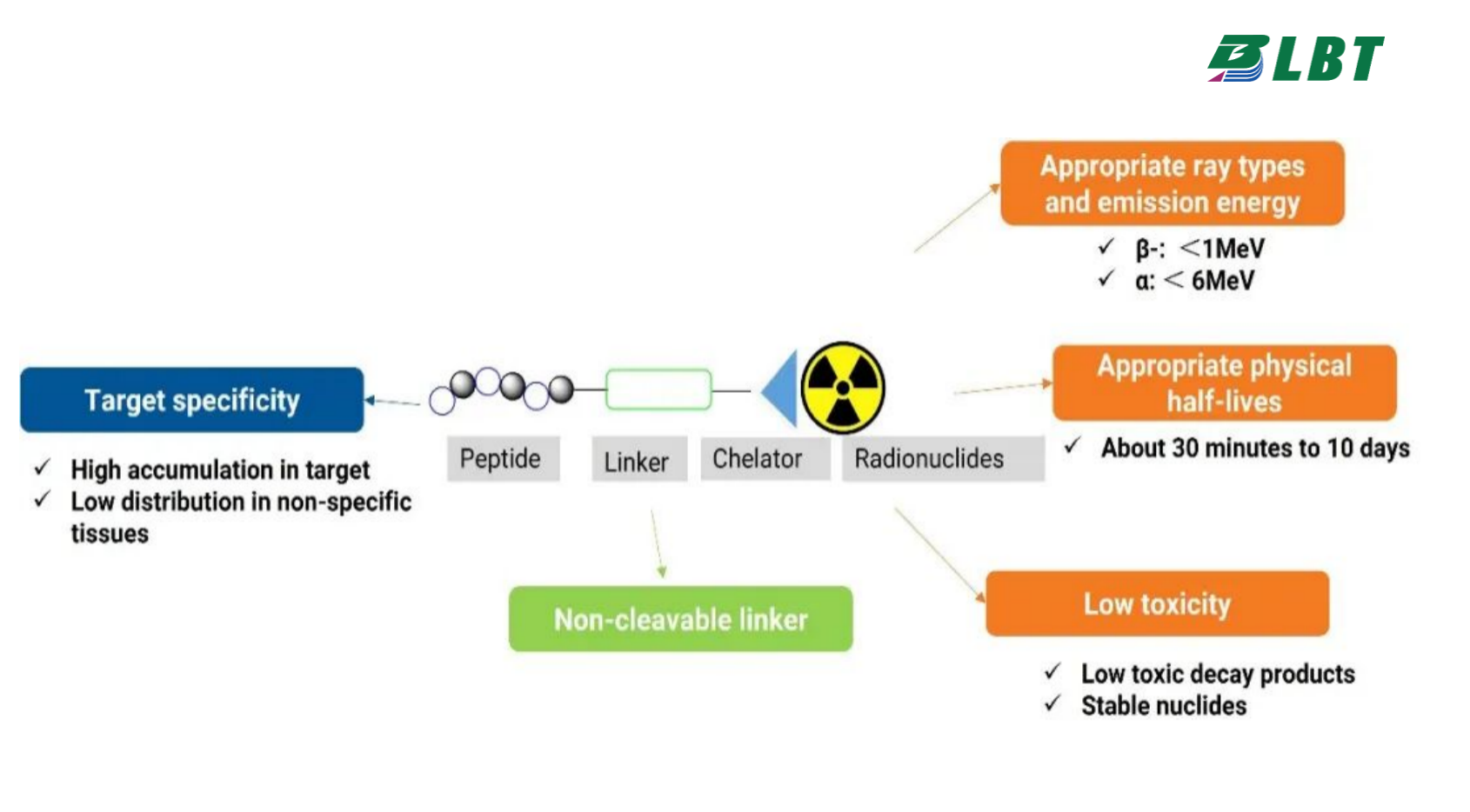
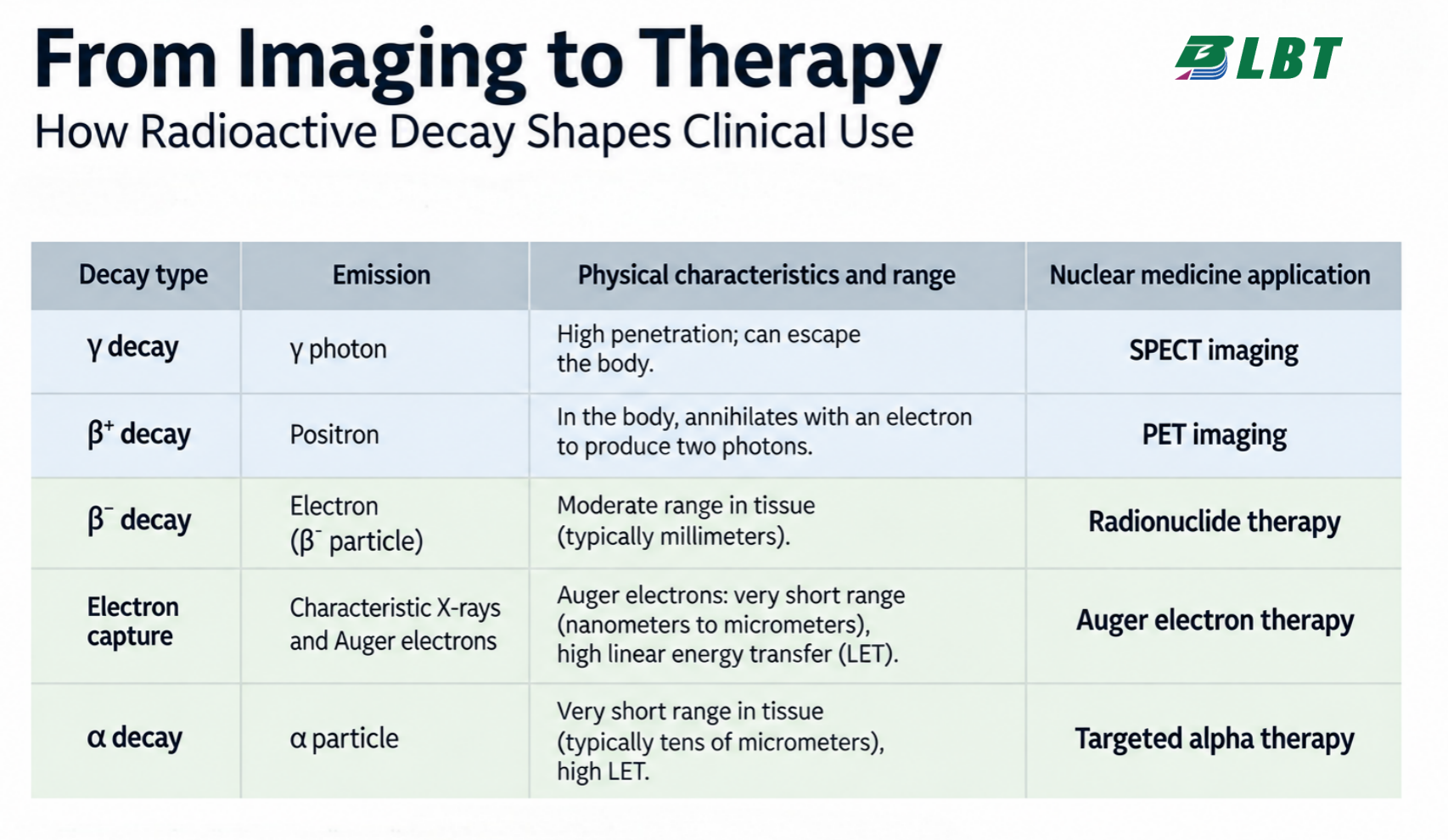
Different molecules, targets and clinical applications require different half-lives, chemical properties and radiation characteristics.
We are entering a multi-isotope era. 🔬
🧬 Why More Radionuclides?
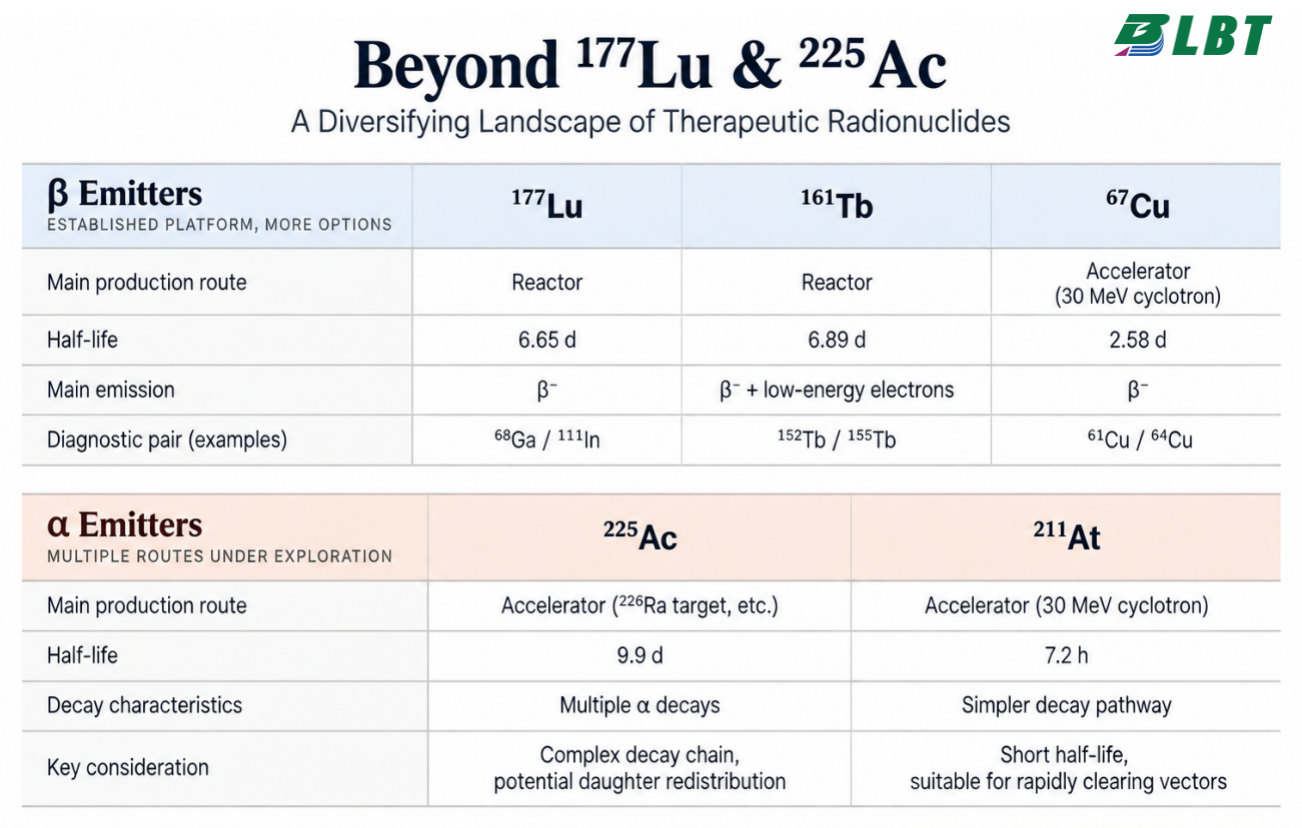
No single radionuclide is ideal for every application.
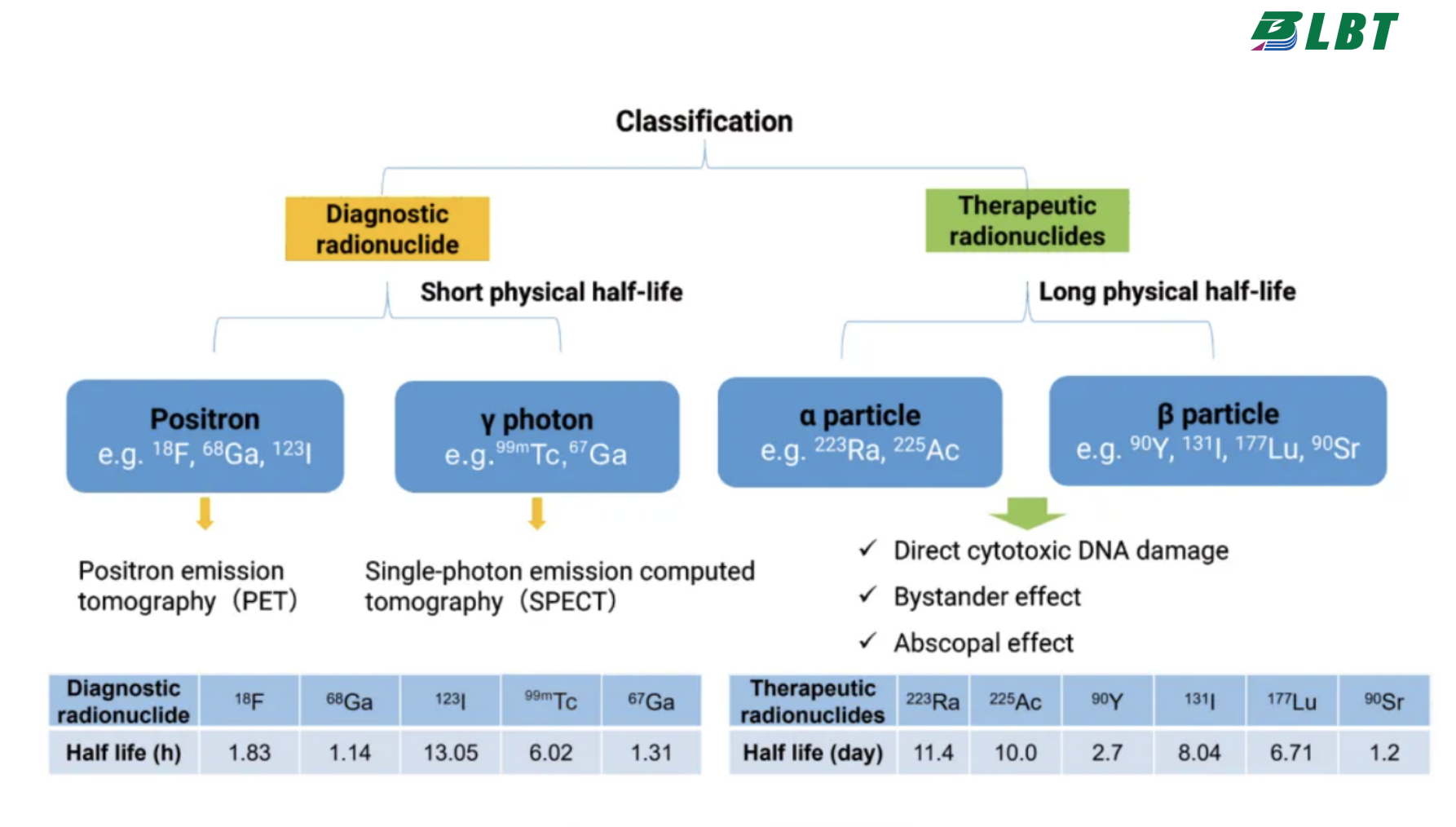
¹⁸F and ¹¹C are widely used for small-molecule tracers, while metal radionuclides such as ⁶⁸Ga, ⁶⁴Cu and ⁸⁹Zr offer flexible labeling options for peptides, antibodies and other targeting molecules.
As radiopharmaceutical development expands, so does the radionuclide toolbox.
🎯 Theranostics: From Imaging to Therapy
One of the key drivers of this trend is theranostics:
See the target. Select the patient. Treat the target.
🔍 Diagnostic Imaging → 👤 Patient Selection → ☢️ Targeted Therapy → 📊 Response Assessment
Diagnostic radiopharmaceuticals can reveal target expression and disease distribution, while therapeutic radiopharmaceuticals use the same or a related targeting mechanism to deliver radiation to the disease site.
🔗 Better Radionuclide Pairs
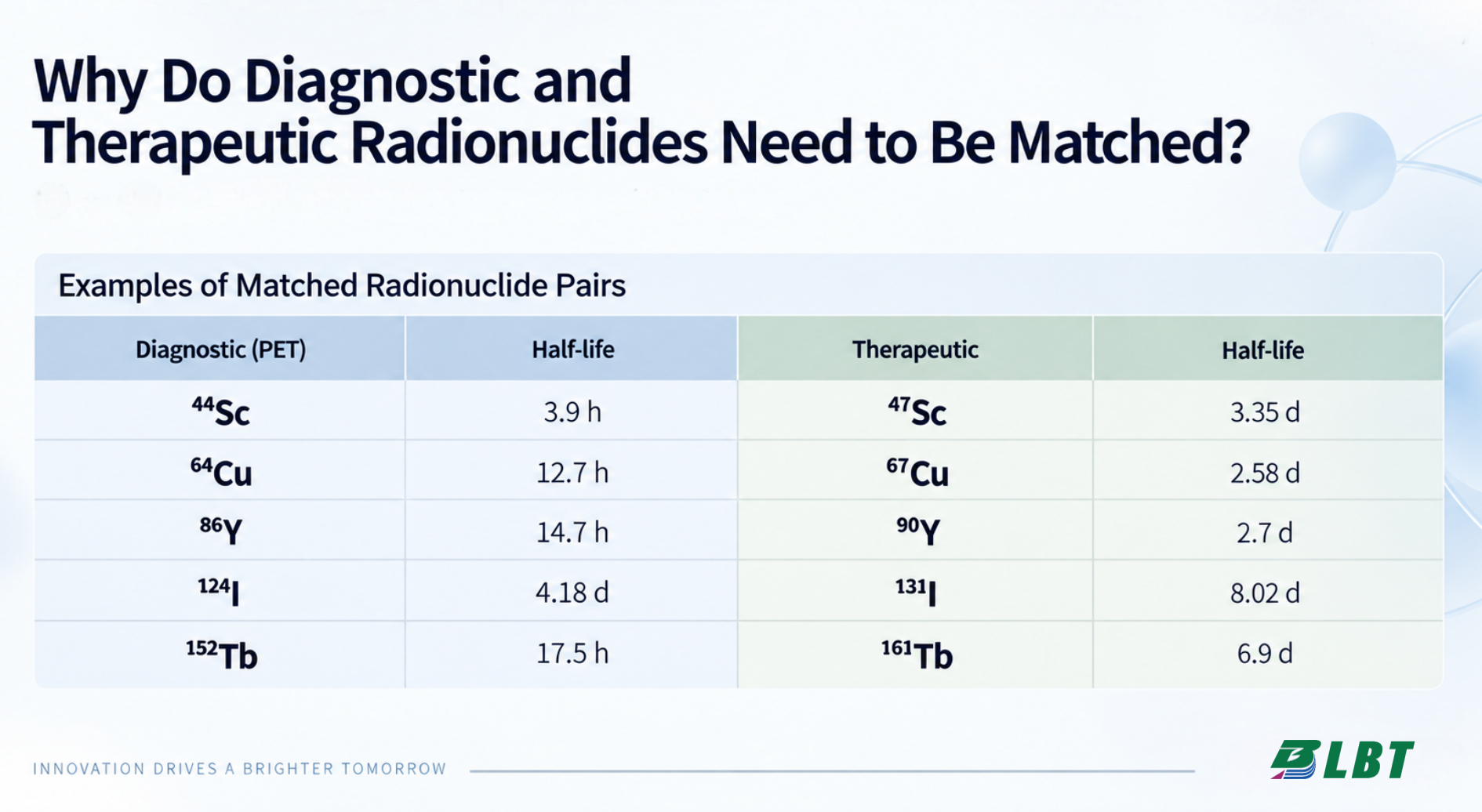
Theranostics is also driving interest in diagnostic and therapeutic radionuclide pairs with closely matched chemical properties, including:
⁶⁴Cu ↔ ⁶⁷Cu
⁴⁴Sc ↔ ⁴⁷Sc
Such pairs may provide better consistency between imaging and therapy, supporting patient selection, dosimetry and treatment evaluation.
⚙️ From Single-Isotope to Multi-Isotope Production
A broader radionuclide portfolio also changes what is required from production platforms.
Different radionuclides may require different accelerator energies, target systems, irradiation conditions, and separation and purification processes.
The question is no longer simply:
“Can we produce an isotope?”
but:
“How many future radionuclides can the platform support?”
From diagnosis to therapy, nuclear medicine is building a broader radionuclide toolbox — moving toward the right isotope for the right molecule, disease and patient. ⚛️