

Marketing Campaign

0102030405
☢️ The Multi-Radionuclide Era: Trends in Therapeutic Radionuclides
2026-08-26
As Targeted Radionuclide Therapy (TRT) continues to advance, radionuclides are playing an increasingly important role not only in imaging, but also in precision cancer treatment.
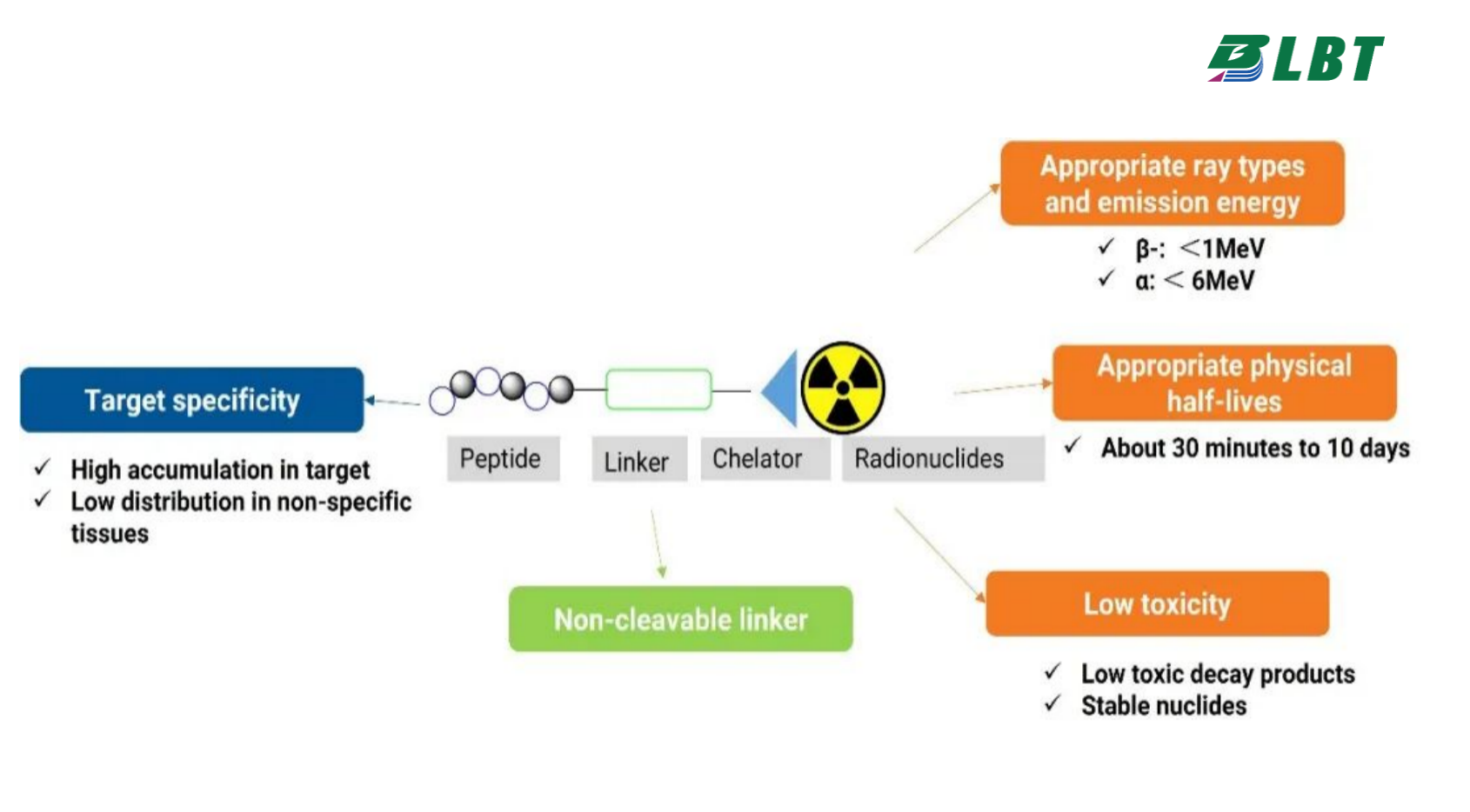
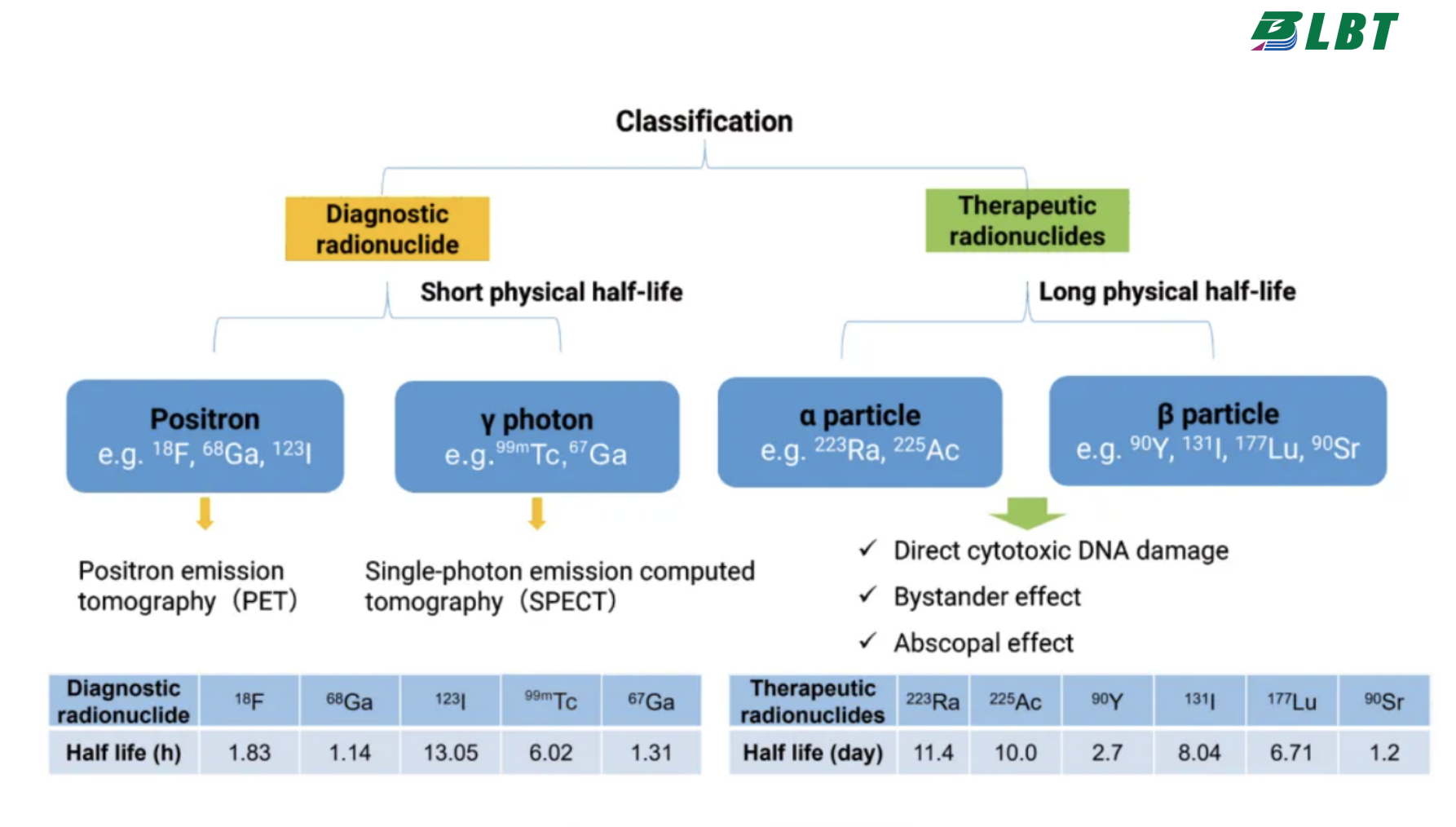
Therapeutic radiopharmaceuticals deliver radionuclides to tumor sites through targeting molecules. The radiation released during radioactive decay can then damage and destroy cancer cells.
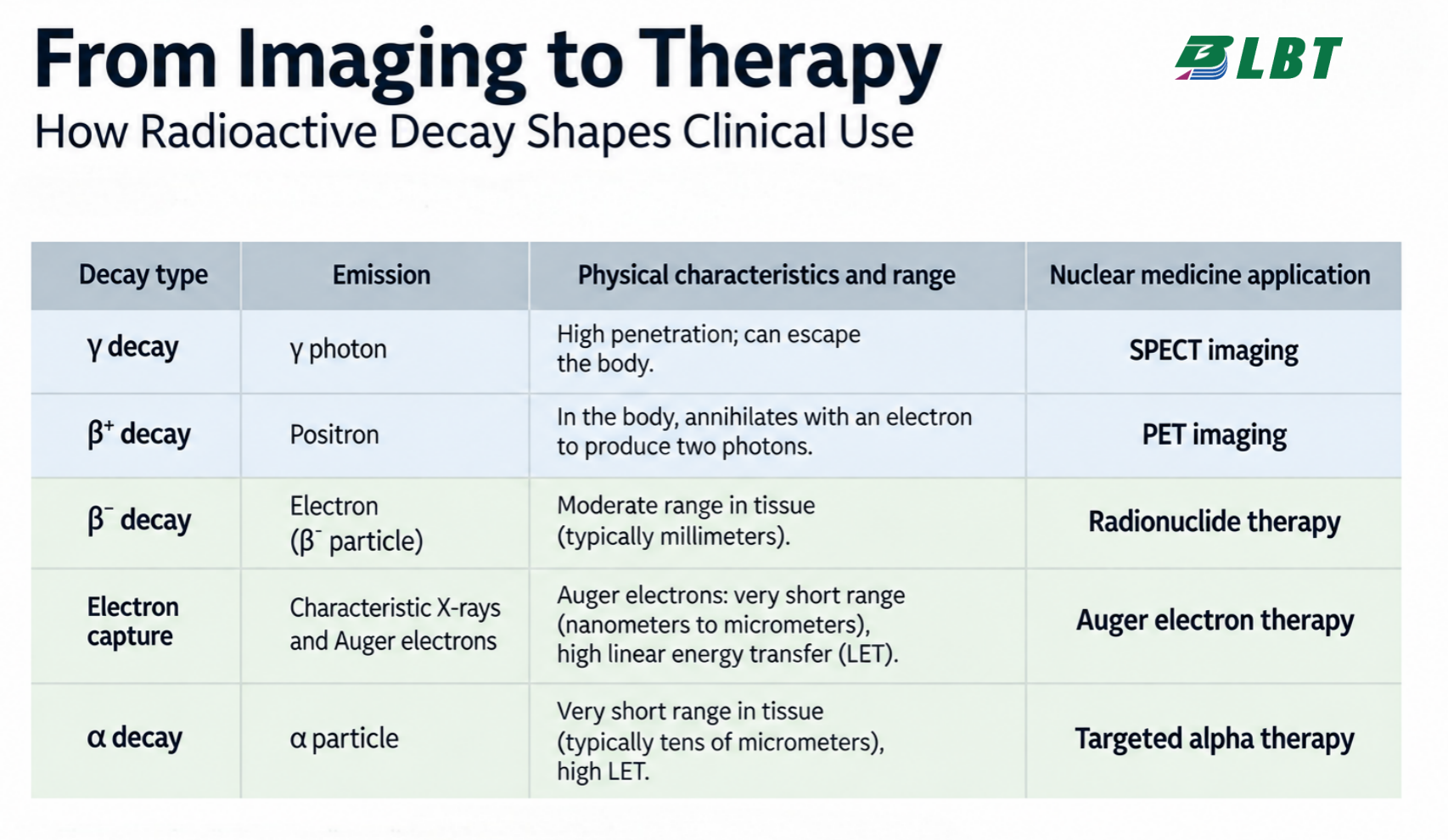
Different radionuclides, however, produce different types of radiation — leading to different tissue ranges, energy deposition and biological effects.
Two major approaches are shaping the field today: β and α radionuclides.
🔵 β Radionuclides: An Established Treatment Platform
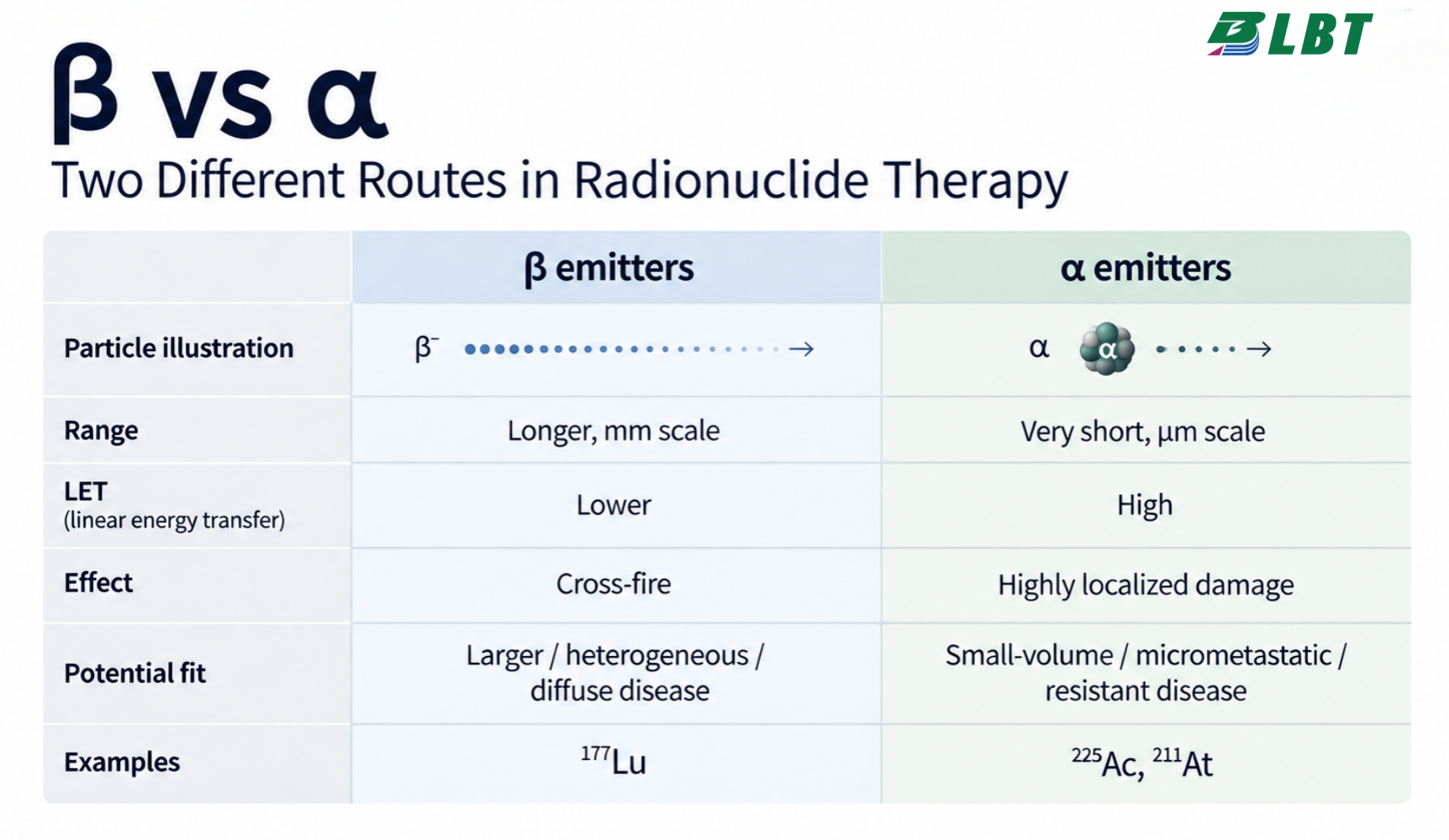
β particles have a relatively longer range in tissue, allowing radiation to affect both targeted cells and nearby tumor cells through the cross-fire effect.
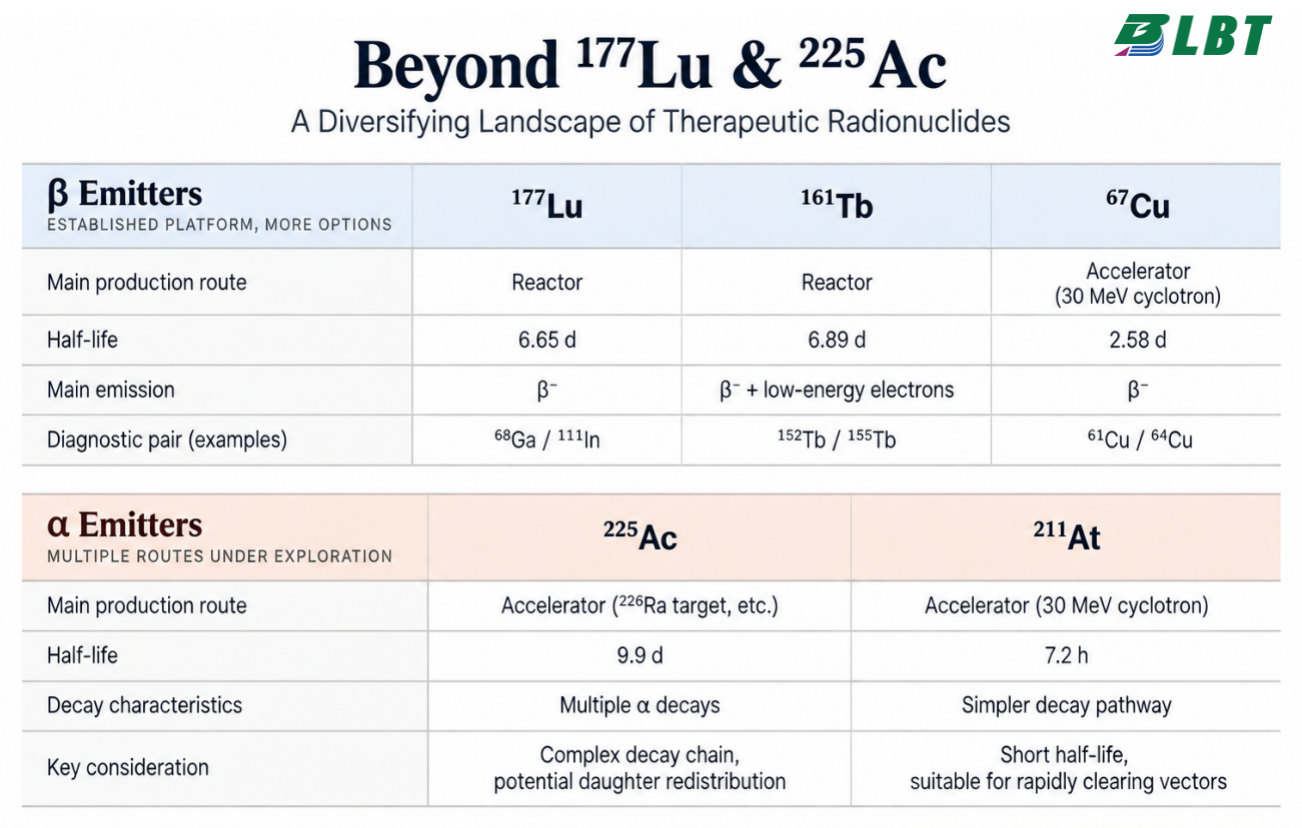
¹⁷⁷Lu has become one of the most established therapeutic radionuclides, with applications in areas such as prostate cancer and neuroendocrine tumors.
At the same time, radionuclides including ⁶⁷Cu and ¹⁶¹Tb are attracting growing interest for additional therapeutic applications.
🔴 α Radionuclides: Short Range, High Energy Deposition
α particles travel only a very short distance in tissue but have a much higher linear energy transfer (LET).
This allows intense energy deposition within a highly localized area, making Targeted Alpha Therapy (TAT) an important emerging direction.
²²⁵Ac is currently one of the most prominent α-emitting radionuclides, while ²¹¹At and ²¹²Pb are also being actively explored.
Rather than replacing one another, α and β radionuclides offer complementary approaches for different treatment needs.
🧬 Toward a Broader Therapeutic Radionuclide Toolbox
There is unlikely to be one ideal radionuclide for every therapy.
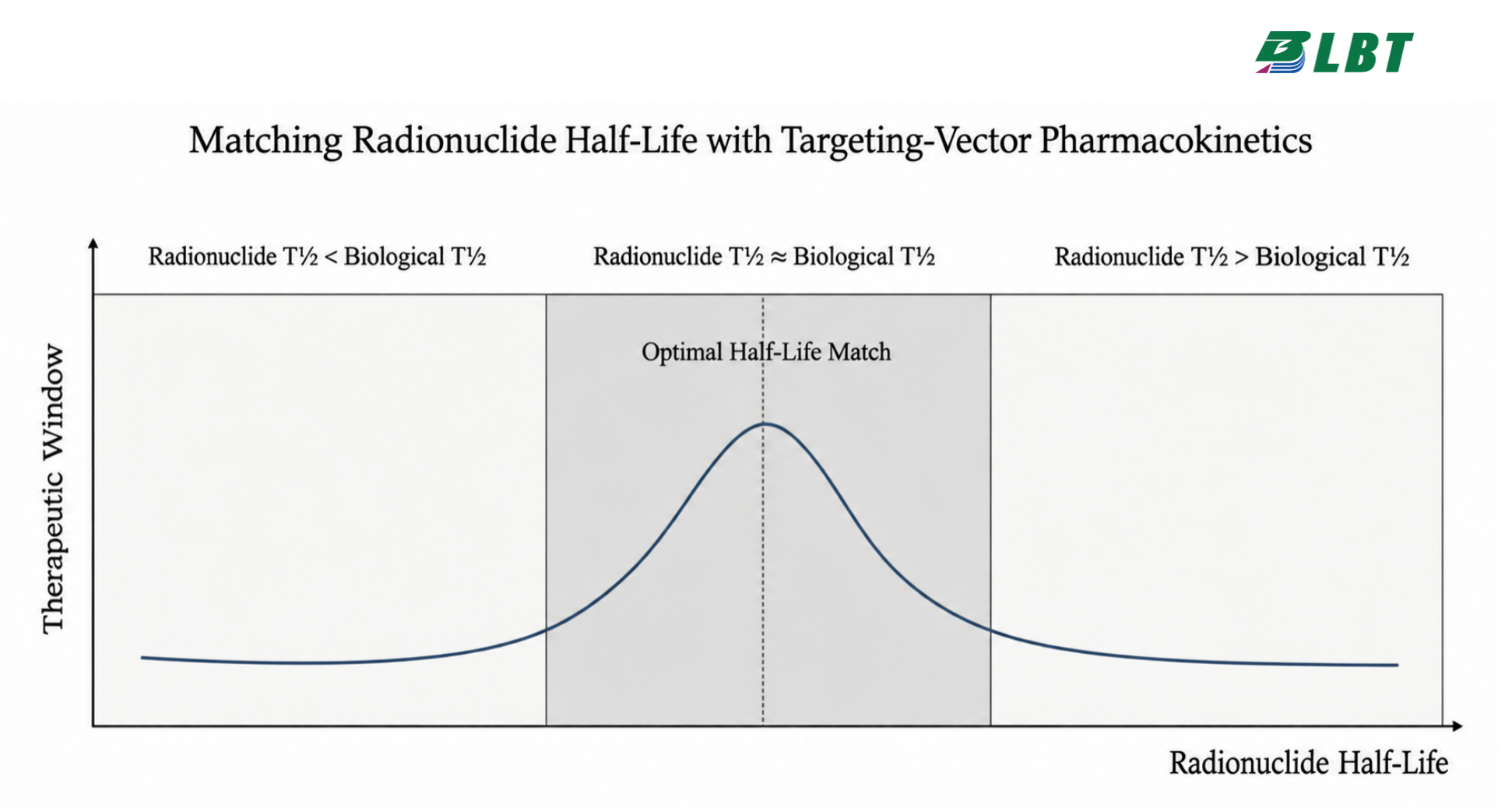
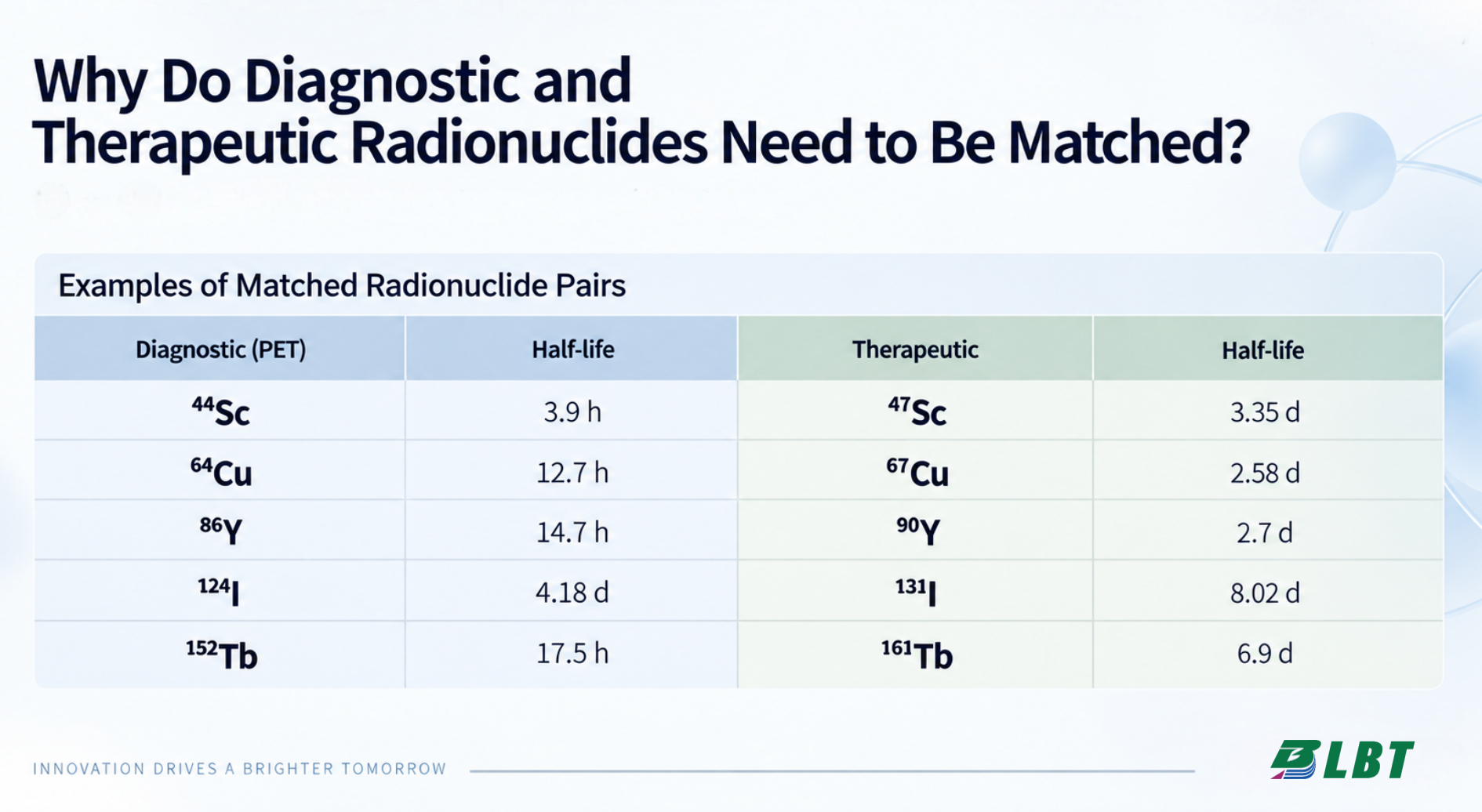
Different tumors and targeting molecules may require different physical properties, including half-life, particle range and energy.
This is driving therapeutic nuclear medicine beyond a few established radionuclides toward a broader portfolio:
¹⁷⁷Lu · ¹⁶¹Tb · ⁶⁷Cu · ²²⁵Ac · ²¹¹At
⚙️ New Radionuclides, New Production Requirements
A more diverse radionuclide portfolio also creates new challenges for isotope production.
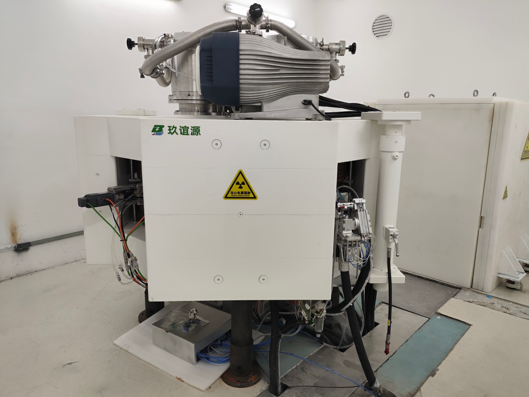
Different therapeutic radionuclides may require different production routes, beam energies, target materials, target systems, and separation and purification processes.
As the field continues to evolve, flexible and multi-radionuclide production capabilities will become increasingly important.
The future may not be about finding one “best” therapeutic radionuclide, but about selecting the right radionuclide for the right molecule and clinical application. ☢️