

Marketing Campaign

0102030405
☢️ What Makes an Ideal Therapeutic Radionuclide?
2026-08-28
Not every radionuclide that can deliver therapeutic radiation is necessarily ideal for clinical use.
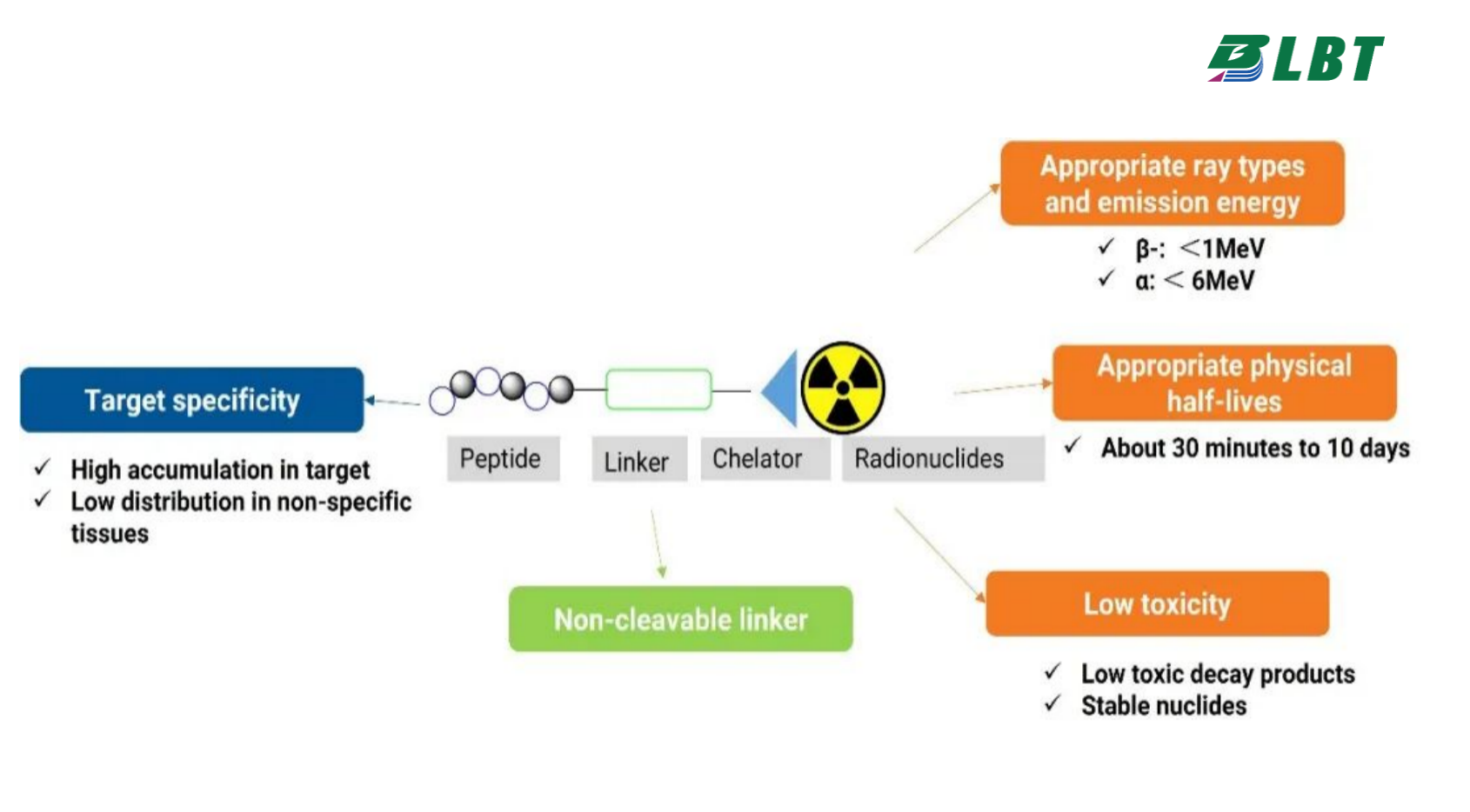
A successful therapeutic radionuclide needs to balance several factors — from production and decay characteristics to biological behavior and dosimetry.
So, what should an ideal therapeutic radionuclide offer?
⚙️ 1. Reliable and Scalable Production
Clinical translation starts with availability.
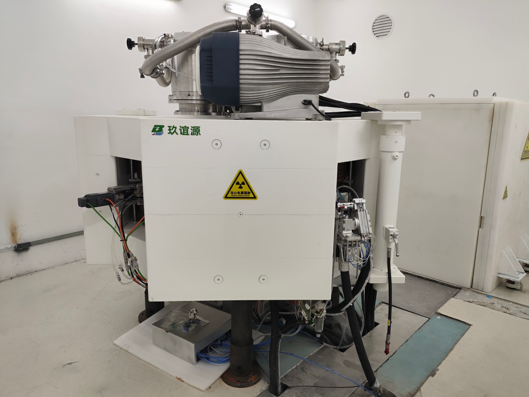
An ideal radionuclide should be produced efficiently, consistently and at scale, with good yield, high purity and reasonable target-material costs.
Reliable production is not only a technical issue — it directly affects cost, accessibility and long-term supply.
⏱️ 2. The Right Half-Life
Longer is not always better.
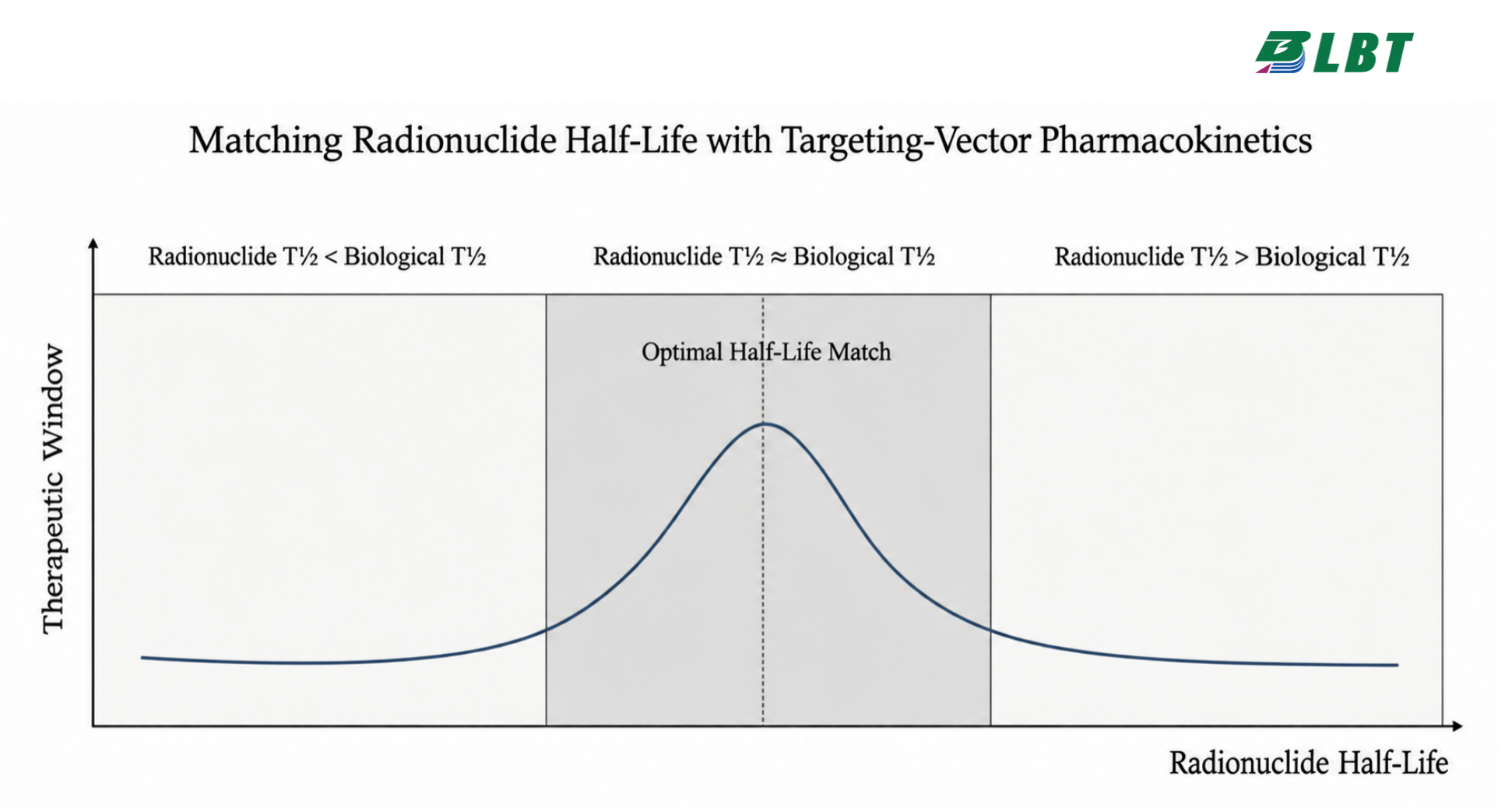
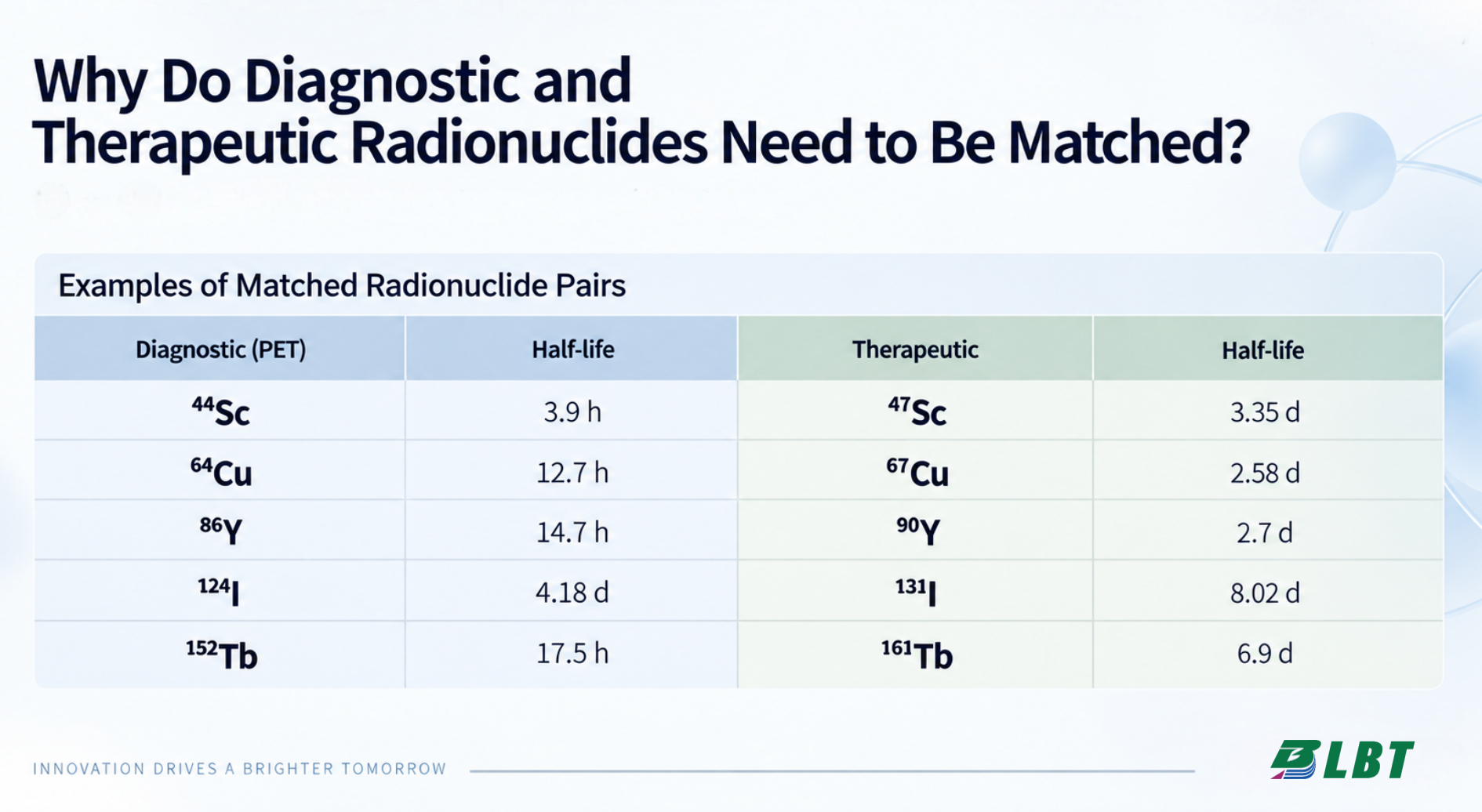
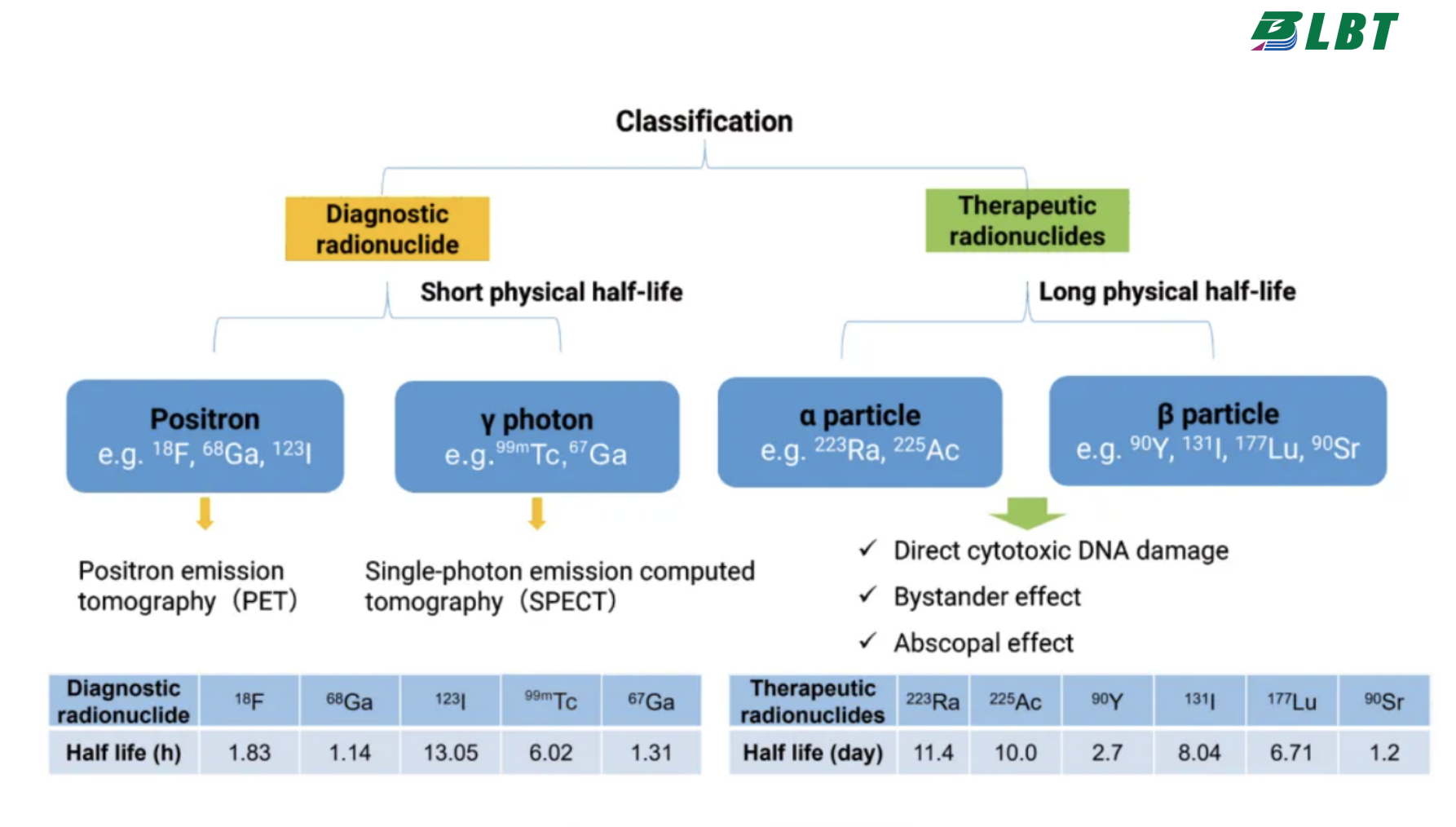
The physical half-life of a radionuclide should ideally match the biological kinetics of its targeting molecule.
If it decays too quickly, the radiopharmaceutical may not have enough time to accumulate at the target. If it remains radioactive for too long, unnecessary radiation exposure to normal tissues may increase.
🎯 The goal is to match the radionuclide’s physical half-life with the time the targeting molecule needs to reach and remain at the target.
☢️ 3. A Simple and Controllable Decay Chain
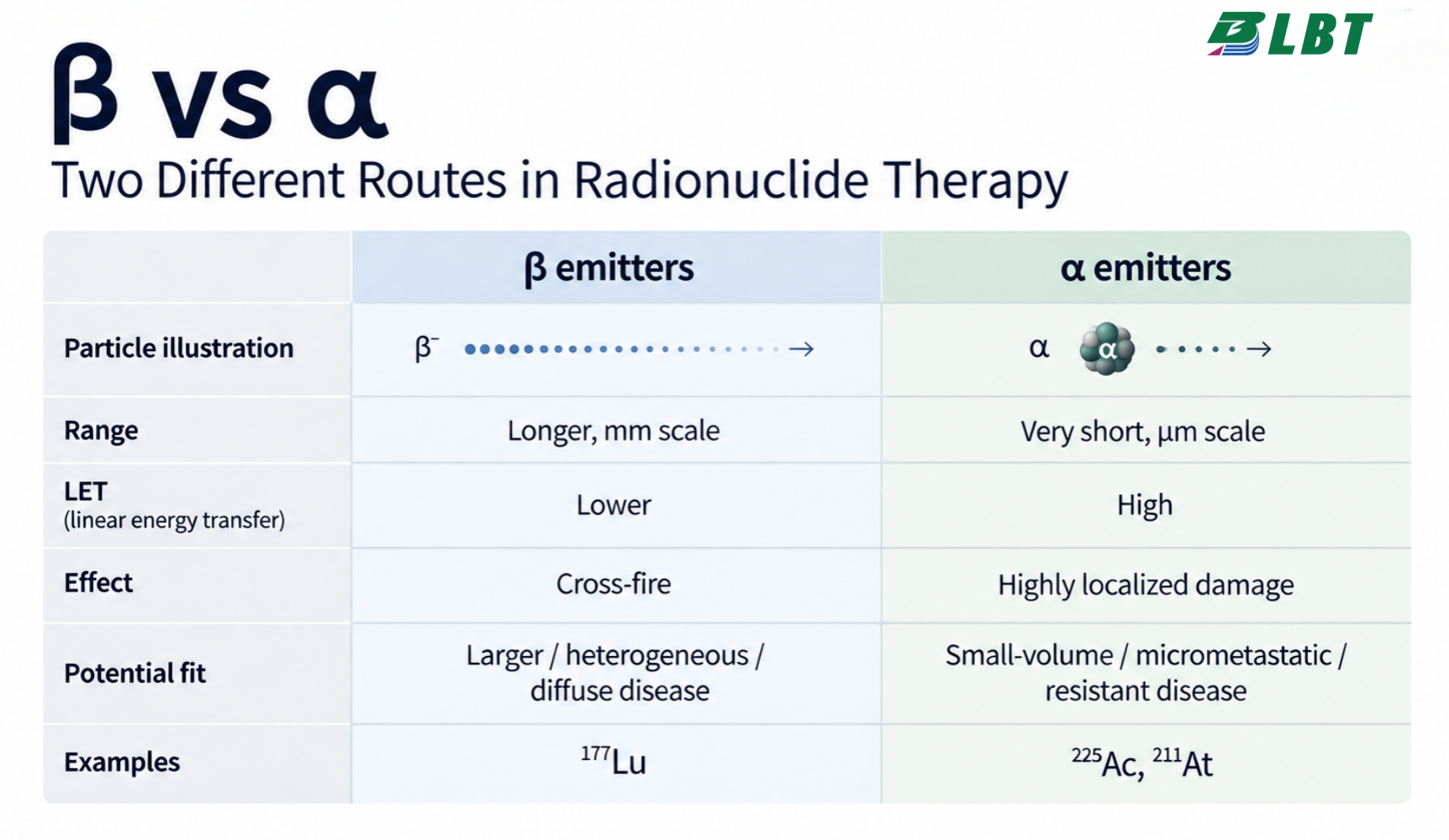
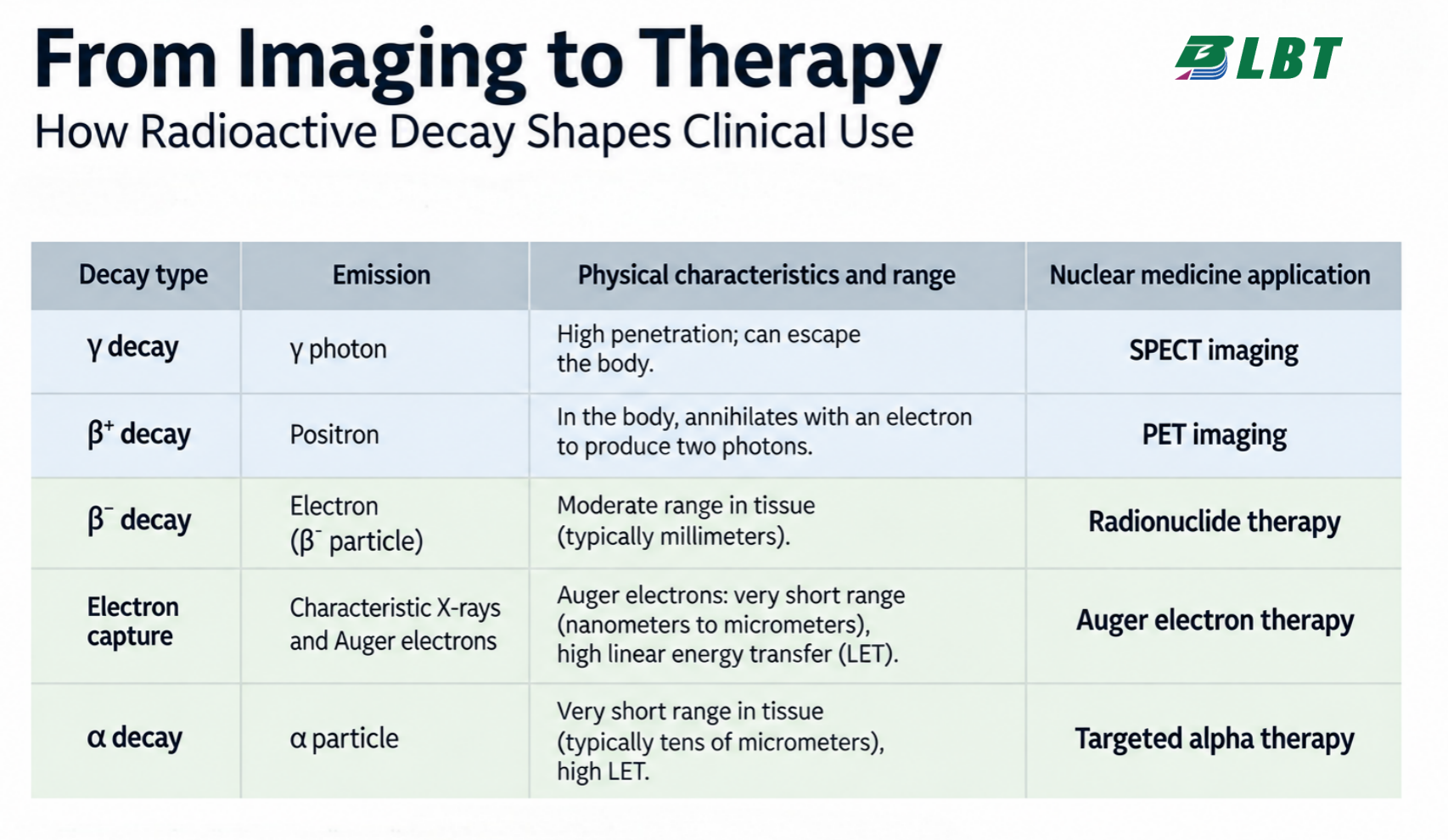
Decay behavior also matters, particularly for α-emitters.
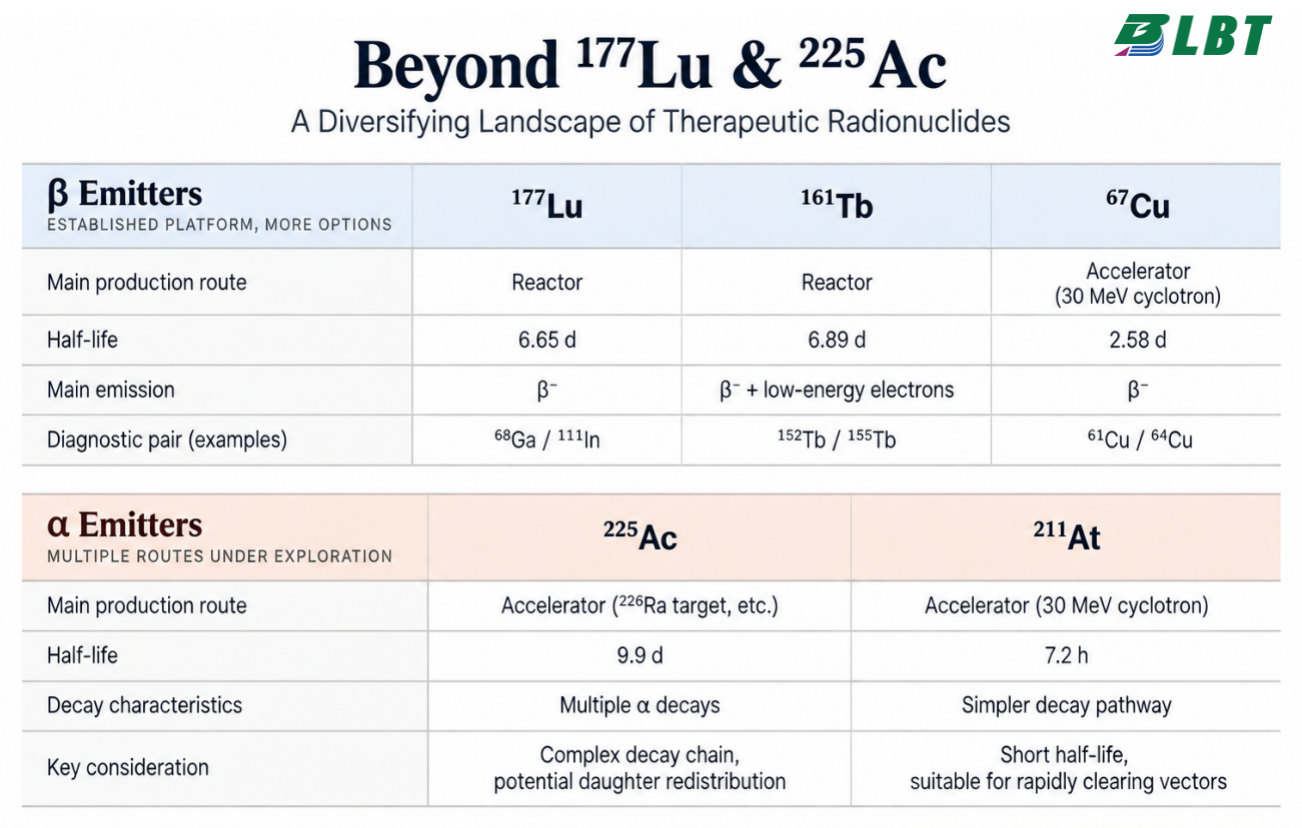
After α-decay, recoil energy can cause daughter radionuclides to break away from the original targeting complex. These daughters may redistribute in the body and continue to decay outside the intended target.
A simpler and more controllable decay chain can therefore be an important advantage when developing therapeutic radiopharmaceuticals.
🧬 4. Favorable Biodistribution
The radionuclide must also work well within the complete radiopharmaceutical.
Stable labeling and suitable chemistry should help maximize uptake at the disease site while minimizing unnecessary accumulation in healthy organs.
Simply put:
More activity at the target. Less activity where it is not needed.
📊 5. Support for Dosimetry
Precision radionuclide therapy also requires understanding where the radiation goes and how much dose is delivered.
This can be supported by an imaging signal from the therapeutic radionuclide itself or by a closely matched diagnostic radionuclide pair.
Such information can support dosimetry, patient selection and treatment evaluation — an important part of theranostics. 🔬
🌐 It’s All About Balance
There is no single property that defines the “best” therapeutic radionuclide.
The real challenge is finding the right balance between:
Production · Half-Life · Decay · Biodistribution · Dosimetry
As nuclear medicine enters the multi-radionuclide era, this balance is also driving interest beyond today’s established radionuclides toward new therapeutic options. ⚛️