

Marketing Campaign

0102030405
Why Do Diagnostic and Therapeutic Radionuclides Need to Be Matched?
2026-09-15
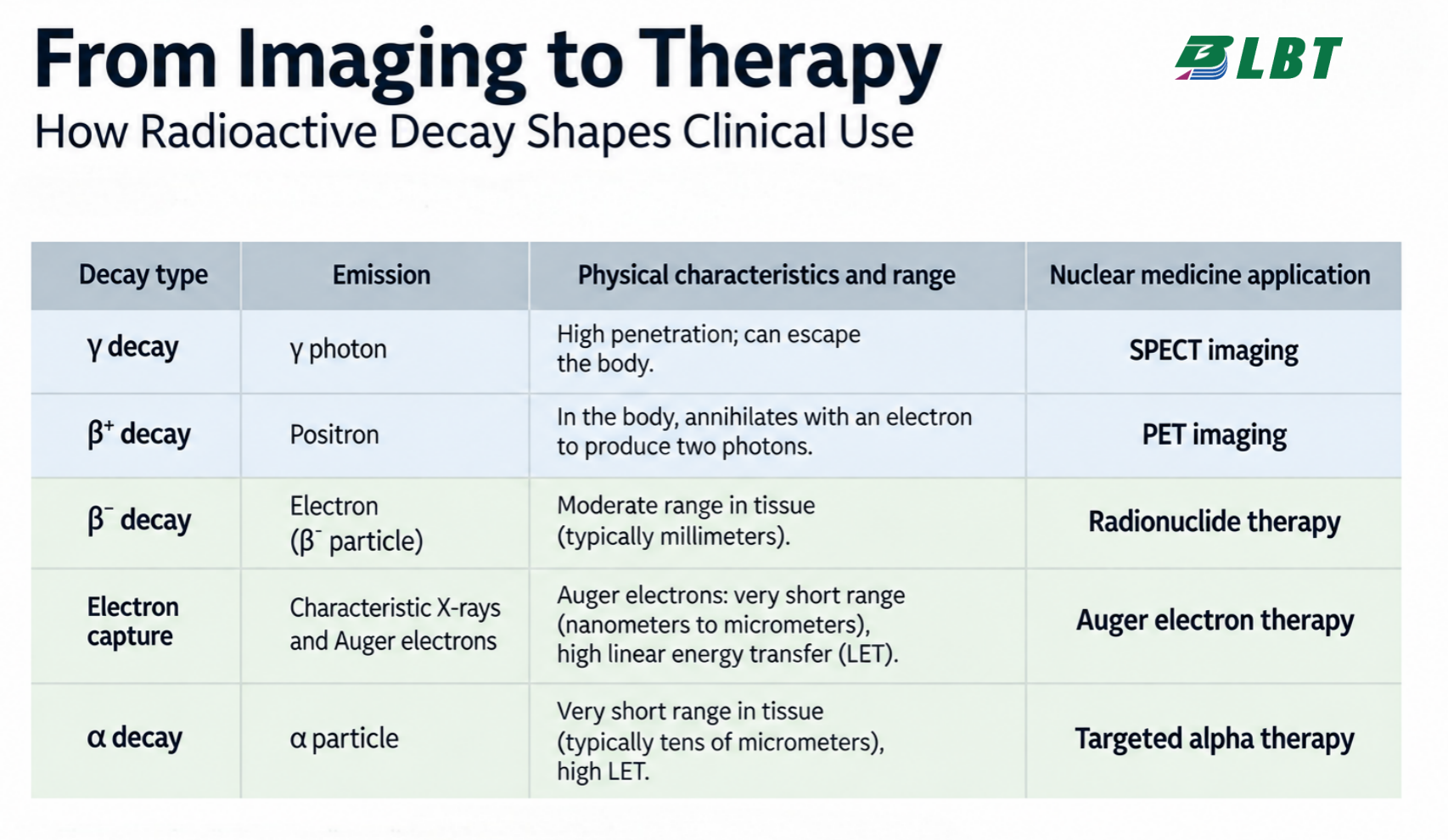
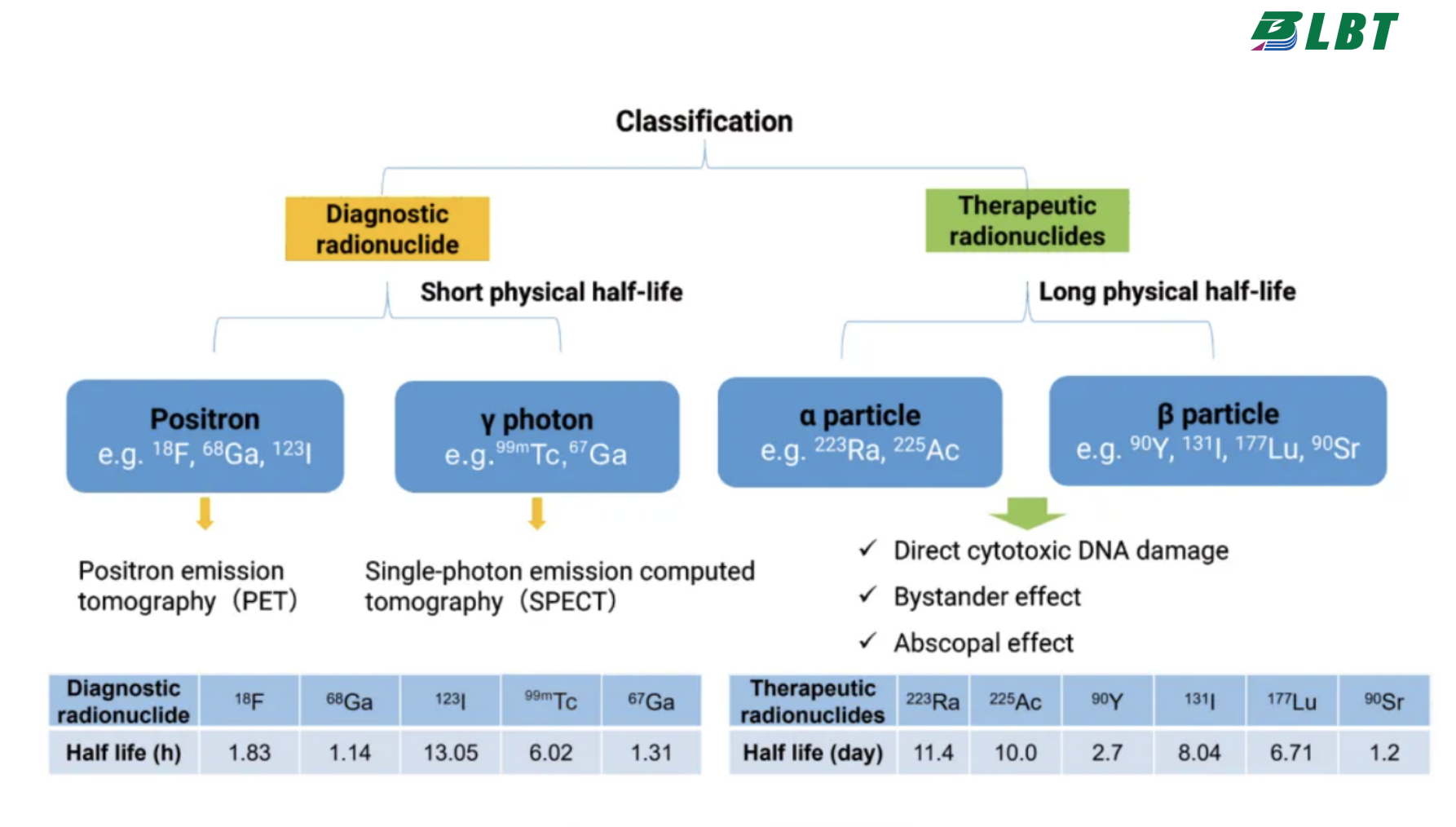
🎯 Theranostics connects diagnostic imaging with targeted radionuclide therapy. But for this approach to work effectively, the diagnostic and therapeutic radiopharmaceuticals should behave as similarly as possible in the body.
This is where matched radionuclide pairs become important.
🔍 1. How can diagnostic radionuclides support therapy?
Patient Selection PET or SPECT imaging can show whether the target is sufficiently expressed and whether the radiopharmaceutical accumulates in the disease sites.
In simple terms:
Image first → Identify suitable patients → Treat
📊 Dosimetry Imaging can also provide information on how a radiopharmaceutical distributes and clears from tumors and normal organs over time.
These data can support dose estimation and help researchers better understand where therapeutic radiation may be delivered.
🔄 2. What makes a good radionuclide pair?
Simply combining one imaging radionuclide with one therapeutic radionuclide is not enough.
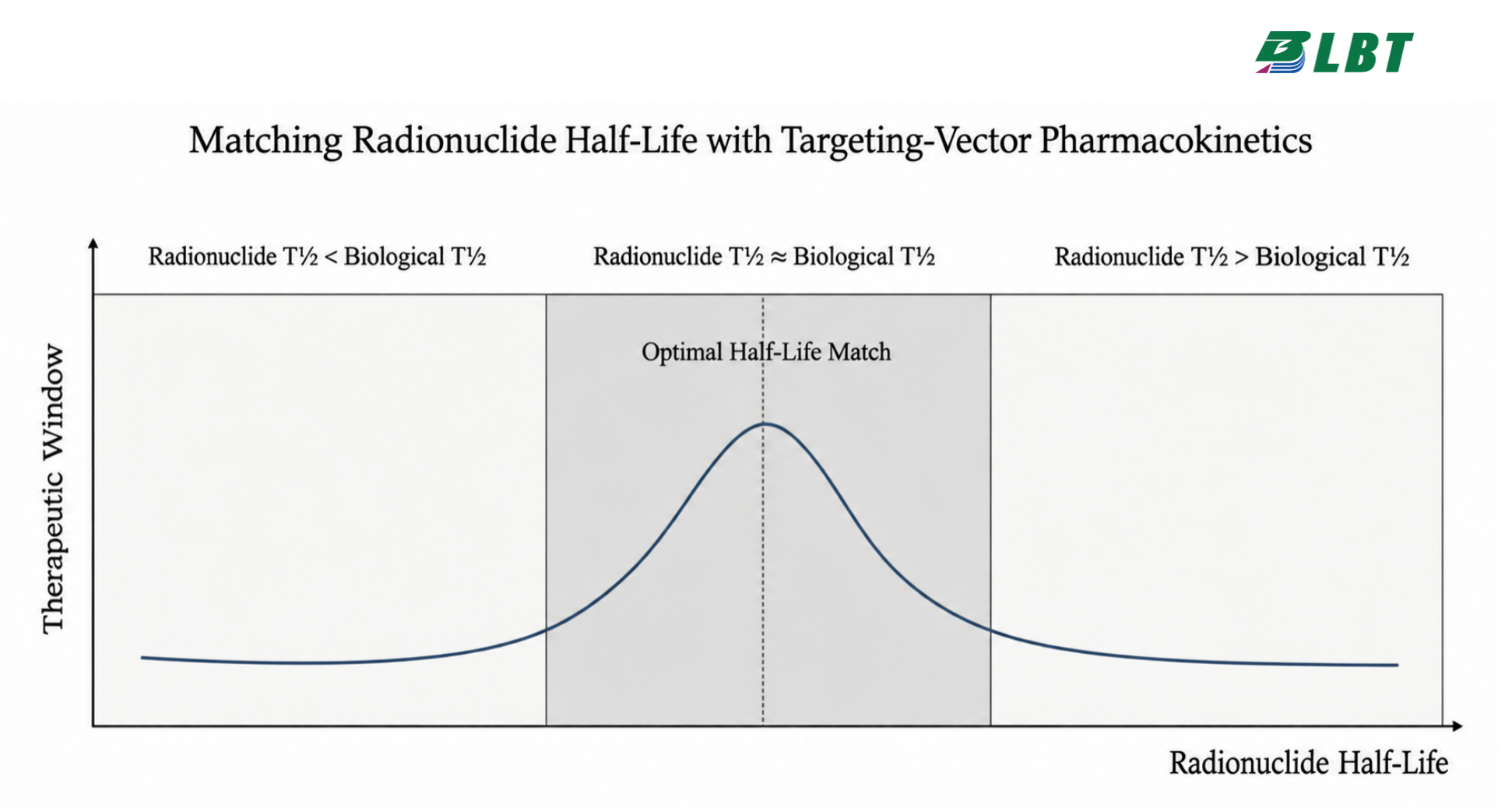
The key is that the diagnostic and therapeutic radiopharmaceuticals should have closely matched pharmacokinetic and biodistribution profiles.
Differences in chemical properties, charge, lipophilicity or metabolic stability may change how a radiopharmaceutical behaves in the body—reducing the predictive value of diagnostic imaging.
This is why isotopes of the same element can be particularly attractive: they share essentially the same chemistry while providing different nuclear properties for imaging and therapy.
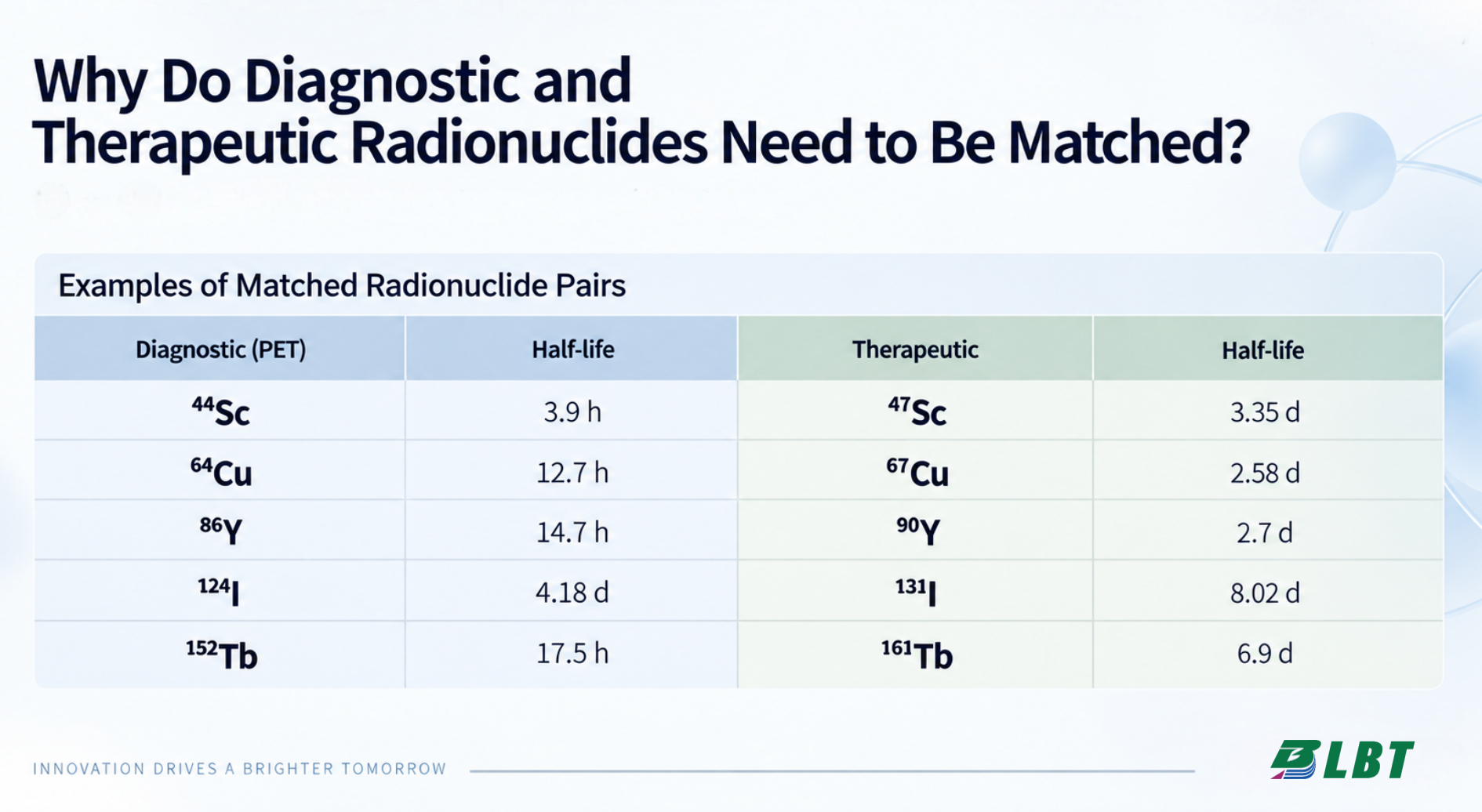
☢️ 3. Examples of diagnostic–therapeutic pairs
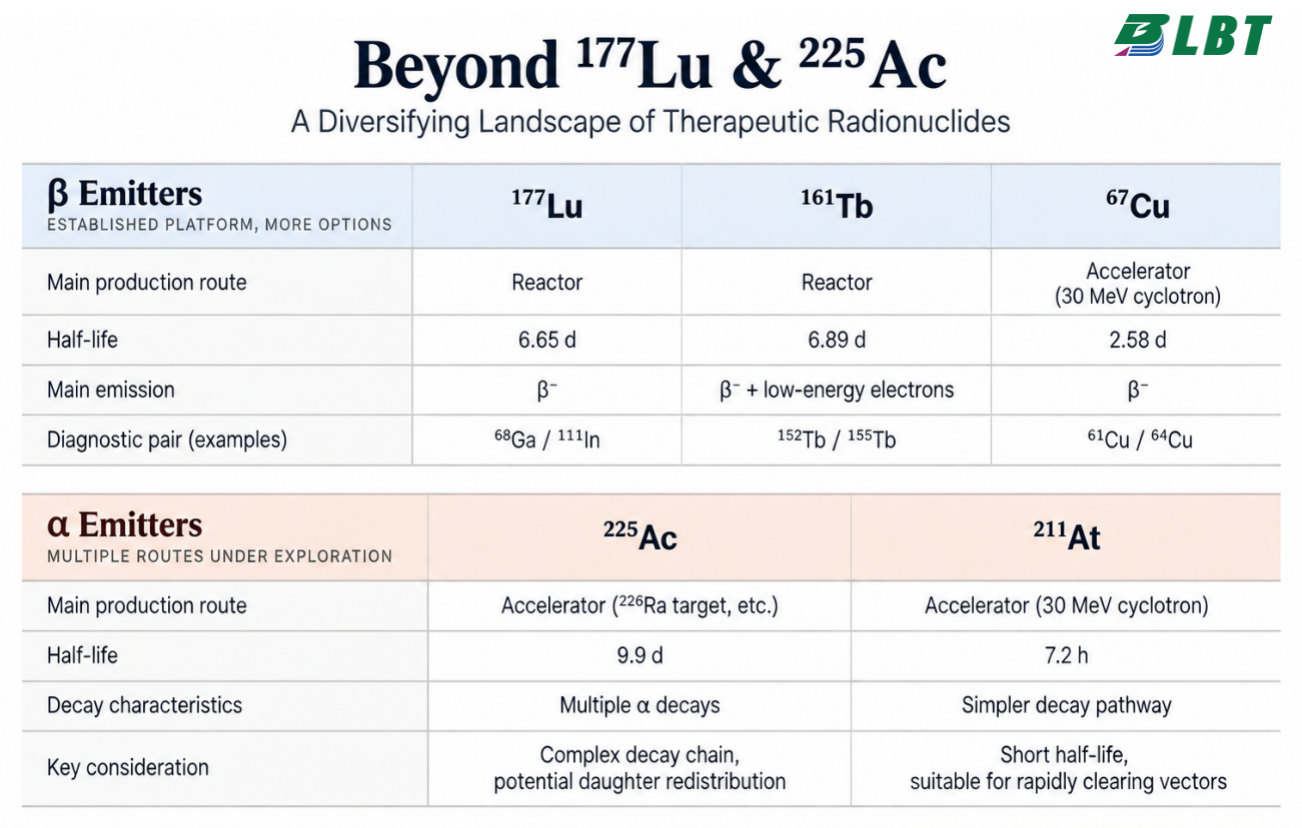
⁶⁸Ga / ¹⁷⁷Lu PET Imaging ↔ β⁻ Therapy
⁶⁴Cu / ⁶⁷Cu PET Imaging ↔ β⁻ Therapy
⁴⁴Sc / ⁴⁷Sc PET Imaging ↔ β⁻ Therapy
The latter two are same-element radionuclide pairs, offering an inherent advantage in matching the chemistry of the diagnostic and therapeutic agents.
⚛️ Ultimately, matched radionuclide pairs help make diagnostic imaging more than a way to locate disease—they can support patient selection, dosimetry and more informed treatment planning.
See → Select → Predict → Treat